

 ADVERTISEMENT
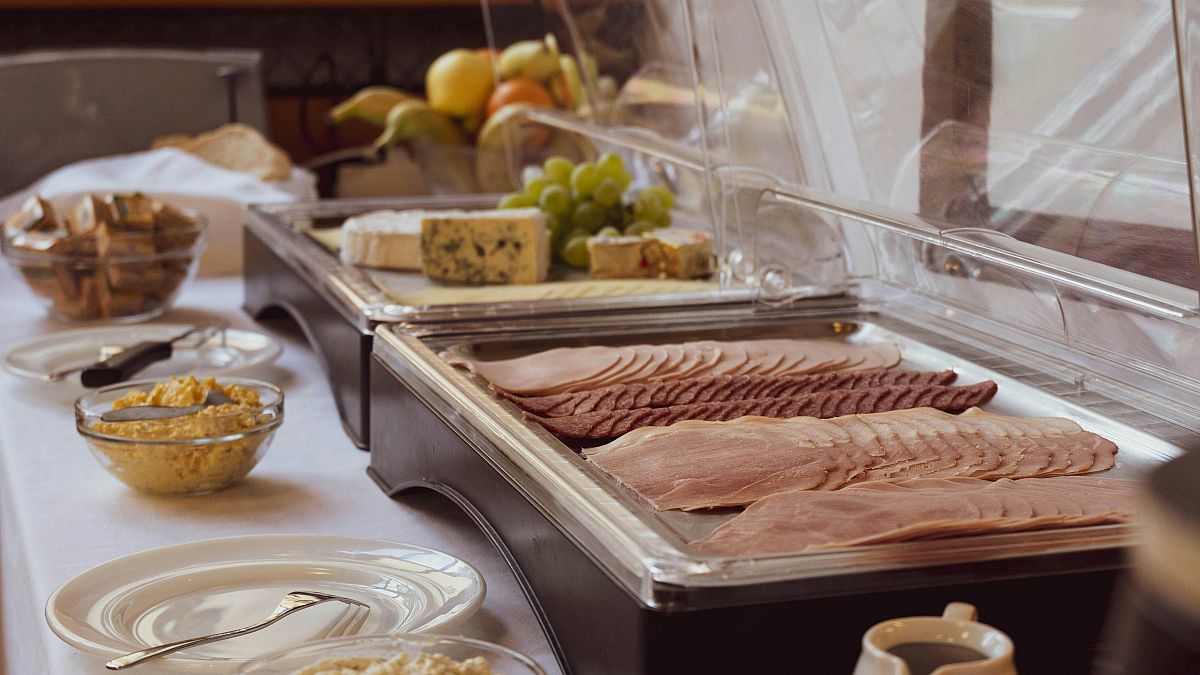
On a recent holiday to Tenerife in the Canary Islands, I stayed at the Meliá Sol Arona hotel. It was a full buffet breakfast, with every option and cuisine you can think of.
At the end of the service, while I was still seated, staff began clearing away the leftover food from the buffet stations. To my shock, they wheeled in giant outdoor bins and began shovelling the food of the platters directly into the bins. Most of the food was untouched and presumably fresh.
Strict food safety regulations can be difficult to navigate no doubt. But like any business, hotels have a duty to ensure they are making every effort possible to reduce food waste.
The UN Environment Programme’s Food Waste Index Report 2024 found that 1.05 billion tonnes of food went to waste in 2022.
Around 19 per cent of food available to consumers was lost overall at retail, food service and household levels.
So what are hotels doing to minimise food waste and does the breakfast buffet have a future?
How can hotel buffets minimise food waste?
“Food safety legislation imposes strict guidelines on hotels,” Lourdes Ripoll de Oleza, Sustainability VP for Meliá Hotels International, says in response to my experience in Tenerife. Meliá Hotels has over 200 properties in Europe and is the 17th biggest hotel chain worldwide.
“Any food product exposed for consumption and not consumed by the customer is discarded to mitigate any potential health risks.”
This means that in the case of buffet-style offerings, all the food that sits out on counters must be discarded even if it has not been touched.
According to the government of Ireland’s National Waste Prevention Program, buffet breakfasts typically result in over double the food waste per customer (300 grams) compared to those served from a menu (130g).
To make their breakfasts more sustainable, some hotels have scrapped the buffet formula altogether. Some just never brought them back after COVID put a stop to shared food stations.
But Michelin-starred chef Massimo Bottura says there are advantages of the buffet for guests and there are ways it can be made more sustainable.
“Buffets, not only breakfast buffets, began as a way of offering guests a taste of local tradition,” he explains.
“But over time, what was considered an opportunity to enjoy small samples of recipes that represent local terroir became one of overconsumption, choice and inevitably waste.”
At his property Casa Maria Luigia in Modena, Italy, steps have been taken including offering guests smaller plates, reducing portion sizes of pastries and bread servings, and giving guests tips to help them make appropriate portion selections.
ADVERTISEMENTBottura also recommends hotels have live cooking stations where dishes are prepared on the spot. This is a fun guest experience but also means reducing the surplus of pre-prepared food.
With plated meals, reducing food waste is a little easier.
“Our plated meal offerings portion sizes are carefully considered by our Food and Beverage management to minimise excess,” says Ripoll de Oleza.
“In instances where there are leftovers, our company endeavours to donate such surplus food to reputable social entities with whom we have established partnerships locally.
“Alternatively, we also try to sell it through platforms such as TOO GOOD TO GO, thereby minimising waste while contributing to socially responsible initiatives,” she adds.
ADVERTISEMENTHow can hotel guests be encouraged to reduce food waste?
Some responsibility also lies with hotel guests and their own self-regulation.
“From the kitchen to the dining room, informative messages can be displayed organically about the effects of wasting food and how guests can be part of the change while dining out or once they return to their home kitchens,” Bottura suggests.
“By highlighting a menu with environmentally friendly and plant-based forward selections, the team can encourage guests to make an immediate difference, sharing the ease in which leftovers can be transformed into something delicious.”
How can hotel kitchens become more sustainable?
For Bottura, being more sustainable and reducing food waste is an opportunity to get more creative and experimental in the kitchen.
ADVERTISEMENT“A sustainable kitchen plans well by understanding the guest consumption habits, measuring and adjusting recipes with portion control to reduce food waste from purchasing to the plate,” he says.
“In my kitchen, food surplus and scraps are an opportunity for our chefs to use their creativity and showcase what is possible when we reimagine.”
He gives the example of bread, which, when hardened the second day can be used to make a Tuscan tomato soup or bread pudding. After two days, it is still useful for breadcrumbs, pasta and cakes.
“We often use our trimmings - vegetables and fruits - in many preparations to make the flavour even more intense,” he adds.
ADVERTISEMENTPotato skins, onion peel and carrot peel are toasted and used to make broth while fruit skins, like peach, watermelon and cucumber can be used to add colour and flavour to dishes and drinks. The peel of oranges pressed for orange juice is used to make marmalade.
“Educating and training team members on the effects of food waste and implementing effective food-saving actions is crucial to achieving the significant reductions set in the global UN sustainable agenda,” Bottura says.
“By fostering a culture of innovation and responsibility, we can turn what would have been waste into culinary treasures.”
Can AI help hotels and kitchens reduce food waste?
Some hotels are experimenting with artificial intelligence (AI) to tackle food waste problems.
ADVERTISEMENTThe Accor hotels group says it has partnered with technology company Orbisk to introduce AI into its kitchens.
The group says trials in 10 European hotels resulted in a 22 per cent reduction in food waste in six months.
Orbisk's system employs AI image recognition technology to track ingredients that are thrown away, in what quantities and when.
This data then allows the kitchen teams to identify where the biggest losses are and implement dedicated solutions.
ADVERTISEMENT