

 ADVERTISEMENT
We’re getting ever closer to 6 October - the day when the EU’s new Entry/Exit System (EES) is set to come into force for travellers.
From that date, EES - an electronic system which will replace the physical stamping of passports when you go through passport control - will be compulsory for many non-EU citizens.
All EU member states except Cyprus and Ireland, where passports will still be stamped manually, and all four non-EU Schengen countries - Iceland, Liechtenstein, Norway and Switzerland - will take part.
From 6 October, when you arrive in a new country, you’ll need to provide your passport as always, alongside having a photo of your face taken and your fingerprints scanned electronically.
All entries and exits to and from the participating European countries will be recorded, which effectively means your movements will be registered every time you cross a border in or out of the EU or Schengen area.
While the decision to implement the scheme has not received entirely positive feedback - with some people saying they’re “put off” the idea of travelling in Europe because of it - travel companies have been laying out their plans ahead of its arrival.
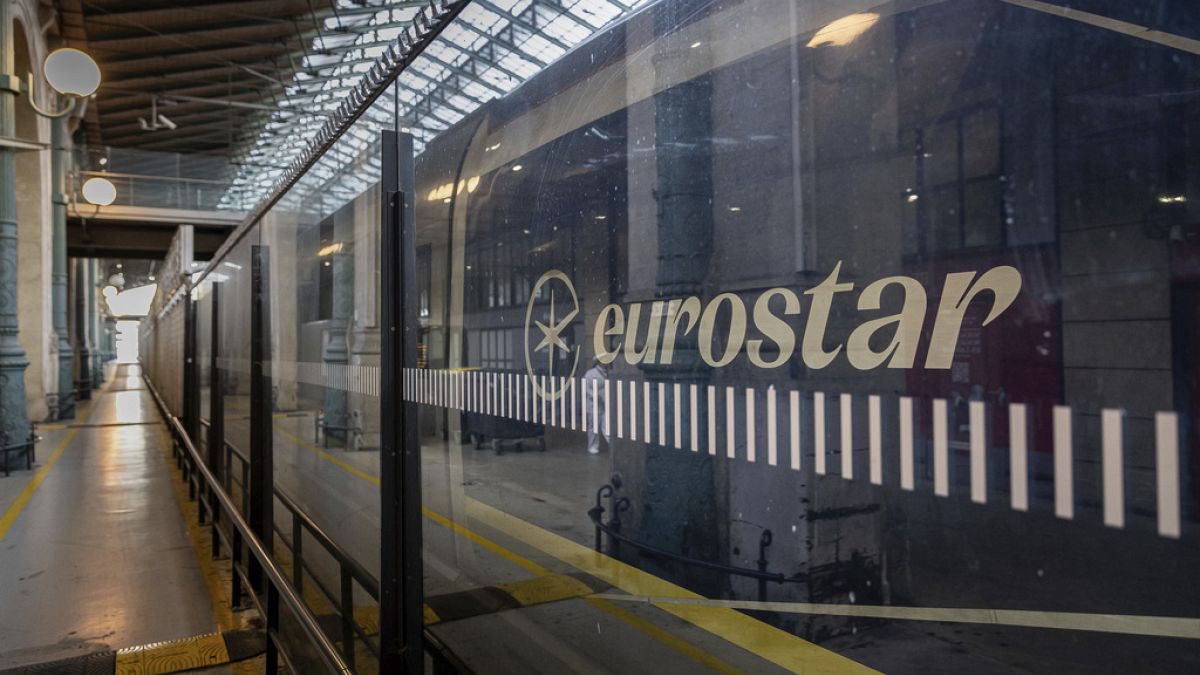
That includes cross-Channel train service Eurostar, which recently announced its tactics to make the EES work as seamlessly as possible.
Here’s everything we know so far about how they’re planning to handle the change.
Eurostar says it will implement a ‘seamless and stress-free journey for customers’
Eurostar transported 18.6 million passengers in 2023 and the company is keen to make customers aware that the extra EES processes will be “seamlessly integrated into existing check-in times”, promising “zero seconds lost on departure”.
At its London hub, St Pancras station, Eurostar has already put in place dedicated spaces for the EES registration process. It also assures passengers that there will be “specially-trained staff available at all times”.
The existing Eurostar system is unique in that it already has representatives for both British and European border forces at each terminal.
In simple terms, that means if you’re leaving London and arriving in Paris, you only need to show your passport to two lots of border staff in London and are able to walk off the train and straight into the French capital on arrival with no extra checks.
St Pancras will look different after 6 October
While Eurostar is working on making the EES process as painless as possible, it marks a significant change to its operations.
As well as doubling the number of border staff, the company will also double the number of manual booths at the London hub and the kiosks at its Paris and Brussels stations, while the number of e-gates will go up too.
At St Pancras, though, this change will look very different.
ADVERTISEMENTThere isn’t space for all of the new EES kiosks, up to 49 from 24, in their usual location, so they’ll be installed at various other places around the station, currently used by both domestic rail operators and the HS1 service.
Despite this, Eurostar has insisted that people won’t need to turn up any earlier for a train than they currently do.
“With our set-up it will still be 45 to 90 minutes check-in time," Simon Lejeune, Eurostar’s chief stations and security officer, told the BBC. “We’ve really planned intensely for this, making sure that we’ve got the best arrangement for our customers.”
Is a smooth October EES launch realistic?
Eurostar’s preparations are said to be costing around €10 million - and it’s determined the service will run smoothly from the get-go.
ADVERTISEMENTThe EU and UK governments are not so sure, though.
The bloc has been developing an app to enable EES registration to be started from home - but it's not expected to be ready for the rolling out of the new system.
To combat enormous queues, the EU is expected to allow the checks to be reduced in some circumstances over a six-month transition period.
A spokesperson for the UK government said it was “working closely with the EU and member states to minimise any impact at our shared borders with Europe”.
ADVERTISEMENT“We are also working closely with the Kent Resilience Forum as well as with port authorities, ferry operators and industry to develop robust contingency plans to ensure they are prepared to minimise the risk of delays,” they added.