

Money 20/20: Monica Long Says SEC Is Not A Friendly Entryway For Us In The US
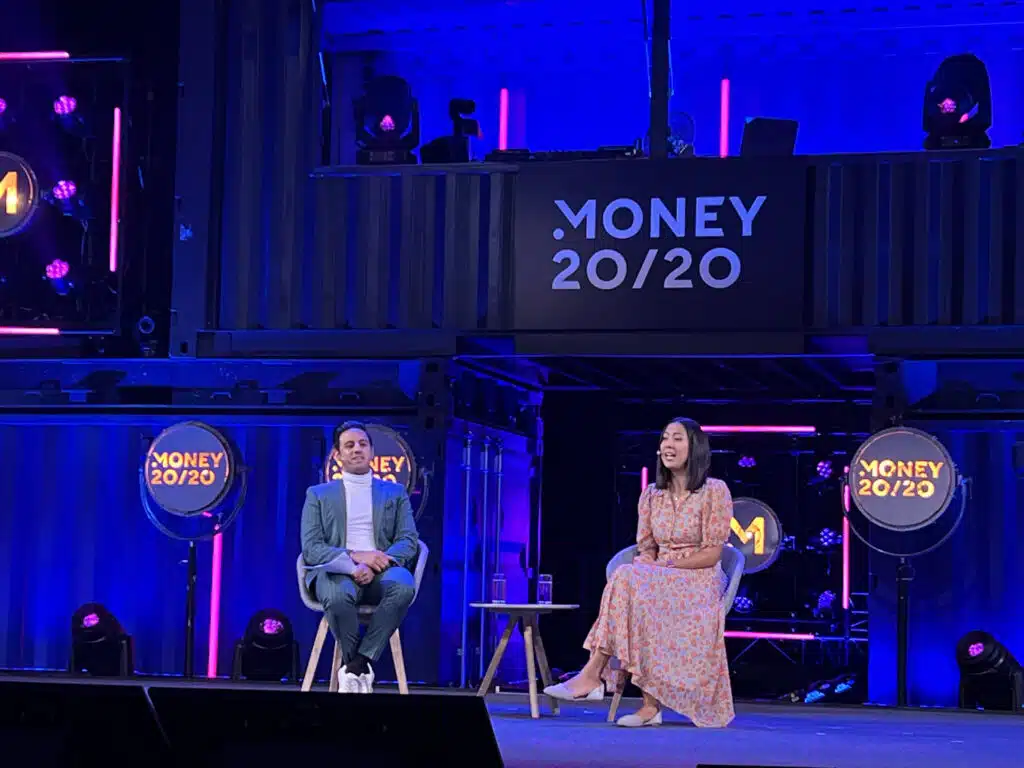
Monica Long, President of Ripple, joined Arjun Kharpal, Senior Correspondent for CNBC, at Money 20/20 to discuss the infrastructure needed for crypto implementation.
Their conversation centered around the theme of “Building Infrastructure Fundamentals,” which focused on traditional financial institutions’ perception and adoption of digital assets.
Long noted a significant shift in U.S. legislation and traditional finance institutions, citing the Bitcoin ETF approval in the U.S. as a crucial moment for crypto adoption. “BlackRock’s involvement was a big moment,” Long said. Many financial institutions have been slowly adopting crypto tech, acknowledging it as a contemporary financial framework, Long said.
Clearer regulations
Despite the recent Ethereum (ETH) and Bitcoin (BTC) ETF approvals, Long emphasized the need for more regulatory clarity. When talking about the real-world uses of digital assets, Long emphasized the advantages of institutional decentralized finance (DeFi) in basic banking transactions.
“Basic financial services like deposits, payments, lending, credit, and capital markets can benefit from a more global, open, and efficient system,” Long said, comparing blockchain’s potential impact on finance to the internet’s impact on communication.
Long mentioned the European Union’s Markets in Crypto-Assets (MiCA) regulation as a prime example of a clear regulatory framework and hinted at the United States’s slow yet steadily improving relationship with crypto.
“Entering the U.S. market through the SEC doesn’t sound like a door that’s going to have a friendly, friendly entryway for us,” Long said.
Long expressed cautious optimism about regulatory clarity in the U.S., noting that stablecoin legislation could be a positive step.
Private vs. public blockchain
Long also discussed the debate between private versus public blockchains and pointed out that private blockchains are still used for tech like central bank digital currencies (CBDCs), but there have been noteworthy advancements in public ledgers.
For instance, Société Générale issued the first euro stablecoin on a public ledger. Ripple is also launching a regulated US dollar stablecoin.
Fraud
Long emphasized the difference between fraudulent behavior and the technology itself when discussing the repercussions of scandals like FTX.
“To clarify, as an industry, there’s fraud, which is what happened in the case of FTX finance. There are blatant violations of compliance, violations,” Long said. “But it’s not that the technology is bad or that all players paint us all with a broad brush of fraudsters and criminals.”
FTX’s collapse and fraud do not reflect the whole crypto industry — positive blockchain applications do remain, Long stressed.
“There’s a hangover from those events, but it’s important to separate fraud from the legitimate applications of the technology,” she said.
Bitcoin Suisse Turns Regulation Into Growth
For much of crypto’s short history, growth was measured in trading volumes, token prices and the number of customers w... Read more
Circle Wins Landmark US Banking Licence
Circle Internet Group has finally secured the regulatory prize it has been chasing for more than a year, with the Office... Read more
Crypto Treasuries Chase A New Kind Of Capital
There is a peculiar irony at the heart of the crypto treasury movement. Companies that staked their futures on digital a... Read more
What Strategy's Bitcoin Sale Really Tells Us
There is a moment in every bull run when the narrative starts to fray. Not with a crash, not with a scandal, but with so... Read more
The Clock Is Ticking On UK Stablecoins
The world is not waiting for Britain to make up its mind. While the United States and the European Union have spent the ... Read more
From Cypherpunk To Citadel
How Crypto Moved from the Wild West to the Mainstream Financial SystemA long-form analysis of Bitcoin's journey from fri... Read more