

USB-C Levels Up And Powers Up To Deliver 240W In Upgraded Power Delivery Spec
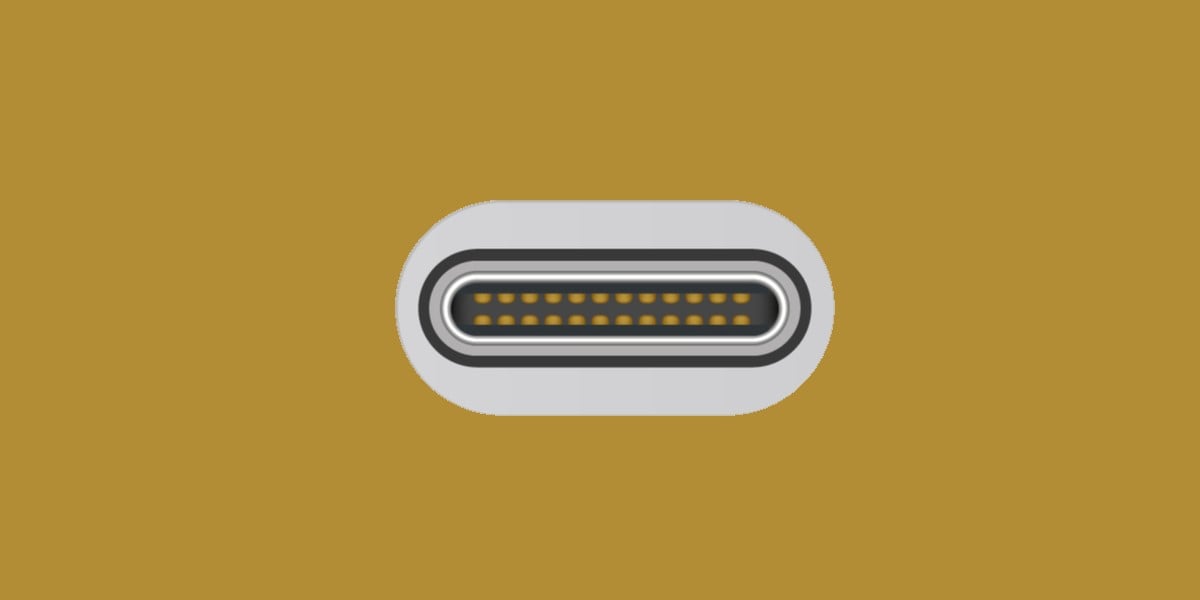
The USB Promoter Group has announced the completion of USB Power Delivery Specification Revision 3.1.
Wake up! This is no mere standards document, because this one improves USB-C’s power-carrying capacity from 100W to 240W, where implemented.
“With the new capabilities of USB Power Delivery 3.1, we now enable higher power products such as larger notebook PCs to shift from traditional power connectors to USB Type-C,” said Brad Saunders, chair of the USB Promoter Group in its announcement [PDF] of the new spec.
“We also anticipate a wider range of product application developers outside of the traditional USB ecosystem to now consider standardizing on USB Type-C with USB PD power their power needs.”
If you fancy getting into the weeds with this stuff, you can find the 744-page USB Power Delivery Specification here and the 400-plus pages of the USB-C spec version 2.1, updated to match the PD Spec, here.
- Australian Federal Police hiring digital evidence retrieval specialists: Being a very good boy and paws required
- USB4: Based on Thunderbolt 3. Two times the data rate, at 40Gbps. One fewer space. Zero confusing versions
- USB-C adds authentication protocol
But the most important bit is in the Promoter Group’s canned statement, in which Matteo Lo-Presti, an executive veep at STMicroelectronics, mentioned “the market’s need for a higher-power, truly universal bus connector … to anticipate customer requirements, potentially creating new markets for USB Power Delivery.”
Lo-Presti is essentially saying that One Charger To Rule Them All is a desirable thing. Saunders’ mention of “larger notebooks” shows why: today thin and light laptops can easily cope with power carried over USB-C, but gaming laptops need a brick of their own. PC-makers would love to offer one USB-power brick and toss it into every box they ship.
Or don’t ship. Some phone-makers have already started to make chargers an optional extra with new smartphones on the assumption you’ve already got a drawer-full and don’t need a new one.
The European Union has some influence here, too, as it has made USB-C the charging standard inside its bloc because it wants chargers to be used for years instead of ending up as e-waste.
We’re not home and hosed with 240W over USB-C, as the new specs call for cables to carry labels mentioning their carrying capacity and that means not every cheapo bit of kit you buy at a convenience store will do the job. ®
From Chip War To Cloud War: The Next Frontier In Global Tech Competition
The global chip war, characterized by intense competition among nations and corporations for supremacy in semiconductor ... Read more
The High Stakes Of Tech Regulation: Security Risks And Market Dynamics
The influence of tech giants in the global economy continues to grow, raising crucial questions about how to balance sec... Read more
The Tyranny Of Instagram Interiors: Why It's Time To Break Free From Algorithm-Driven Aesthetics
Instagram has become a dominant force in shaping interior design trends, offering a seemingly endless stream of inspirat... Read more
The Data Crunch In AI: Strategies For Sustainability
Exploring solutions to the imminent exhaustion of internet data for AI training.As the artificial intelligence (AI) indu... Read more
Google Abandons Four-Year Effort To Remove Cookies From Chrome Browser
After four years of dedicated effort, Google has decided to abandon its plan to remove third-party cookies from its Chro... Read more
LinkedIn Embraces AI And Gamification To Drive User Engagement And Revenue
In an effort to tackle slowing revenue growth and enhance user engagement, LinkedIn is turning to artificial intelligenc... Read more