

US Senate Finds $52bn To Keep Chipmakers Working, $195bn For Tech R&D
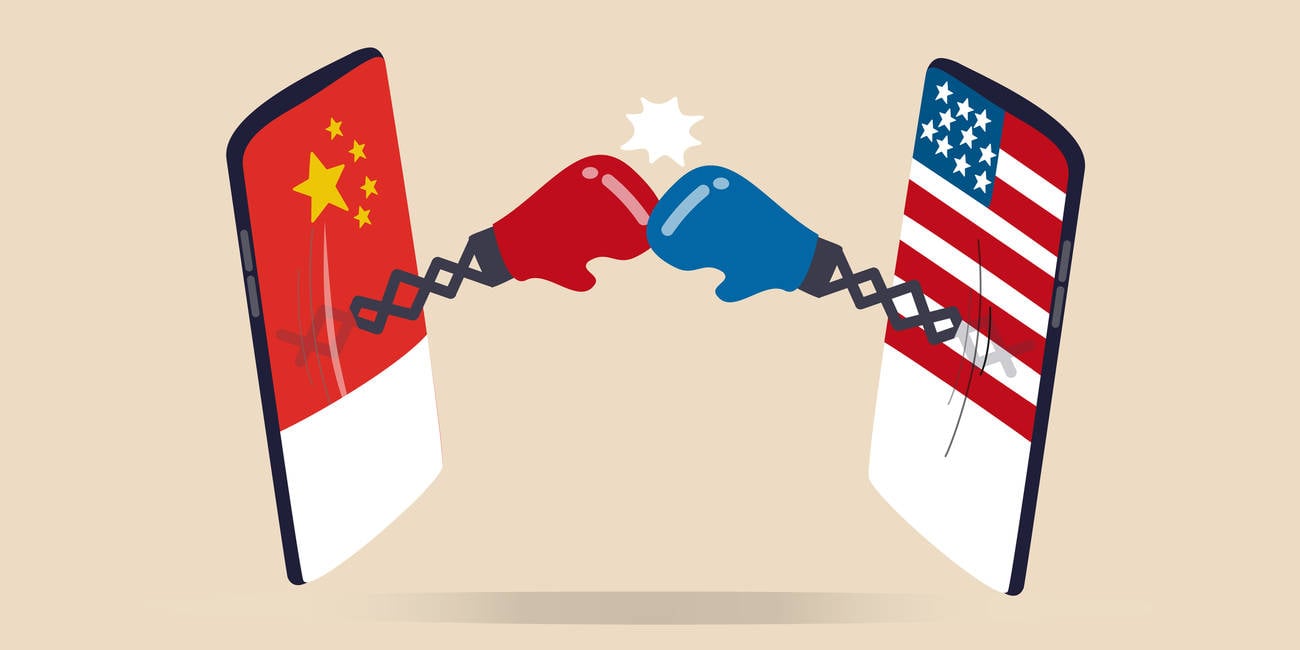
The United States Senate has passed the Innovation and Competition Act of 2021, a sweeping stimulus program that seeks to secure supply chains and stimulate industry — especially high-technology industries — to ensure America remains ahead of China.
“We are in a competition to win the 21st century, and the starting gun has gone off,” reads a statement from President Biden marking the proposed act's progress. “As other countries continue to invest in their own research and development, we cannot risk falling behind. America must maintain its position as the most innovative and productive nation on Earth.”
Lawmakers deliberately avoided describing the law as “industry policy”, a term that arouses fears that government is meddling with market forces, and instead framed it as a job-creating and strategic imperative. That framing helped the act to pass the Senate by 68 votes to 32, an unusually wide margin in the current US political climate.
It now needs to clear the House of Representatives, and be signed off by President Biden, to make it into law.
The act's two big ticket items are US$52 billion for the semiconductor industry and US$195 billion to be spent on R&D.
The semiconductor spend covers R&D, plus funds to ensure that production of legacy products that are required by the auto industry, military users, and what a Democratic Party summary [PDF] of the law describes as “other critical industries”.
- US House Rep on cyber committees tweets Gmail password, PIN in Capitol riot lawsuit outrage
- Big Tech has a big problem with Florida passing a law that protects politicians from web moderation
- Russian gang behind SolarWinds hack returns with phishing attack disguised as mail from US aid agency
- US Treasury wants to treat cryptocurrencies like cash – as in you need to report $10k+ transactions
Research into wireless networks, especially 5G, also received funding, with the money justified as necessary to balance Huawei’s prospects of market dominance and the national security threat that is felt to represent.
The wider R&D spend offers money for work on AI, telecommunications, STEM education, NASA’s work in space and much more.
The proposed law’s progress has been welcomed. IBM popped out a canned quote in which chair and CEO Arvind Krishna described it as “… a visionary piece of legislation that recognizes the potential for scientific discovery to solve society’s biggest challenges and encourages the type of public-private collaboration that took humanity to the Moon.”
The Semiconductor Industry Association described the law as “a pivotal step toward strengthening US semiconductor production and innovation and an indication of the strong, bipartisan support in Washington for ensuring sustained American leadership in science and technology.”
US Senator Marco Rubio (R-FL), who ran for President in 2016, differed, writing that the law “is not the China bill America needs.
“Not only does it fail to protect American taxpayer investments, it also fails to secure our capital markets from the CCP’s exploitations, fails to restore fair trade, and fails to counter Beijing’s military aggression.” ®
From Chip War To Cloud War: The Next Frontier In Global Tech Competition
The global chip war, characterized by intense competition among nations and corporations for supremacy in semiconductor ... Read more
The High Stakes Of Tech Regulation: Security Risks And Market Dynamics
The influence of tech giants in the global economy continues to grow, raising crucial questions about how to balance sec... Read more
The Tyranny Of Instagram Interiors: Why It's Time To Break Free From Algorithm-Driven Aesthetics
Instagram has become a dominant force in shaping interior design trends, offering a seemingly endless stream of inspirat... Read more
The Data Crunch In AI: Strategies For Sustainability
Exploring solutions to the imminent exhaustion of internet data for AI training.As the artificial intelligence (AI) indu... Read more
Google Abandons Four-Year Effort To Remove Cookies From Chrome Browser
After four years of dedicated effort, Google has decided to abandon its plan to remove third-party cookies from its Chro... Read more
LinkedIn Embraces AI And Gamification To Drive User Engagement And Revenue
In an effort to tackle slowing revenue growth and enhance user engagement, LinkedIn is turning to artificial intelligenc... Read more