

US Inflation Eases In July As Petrol Prices Drop
By Natalie Sherman
Business reporter, New York
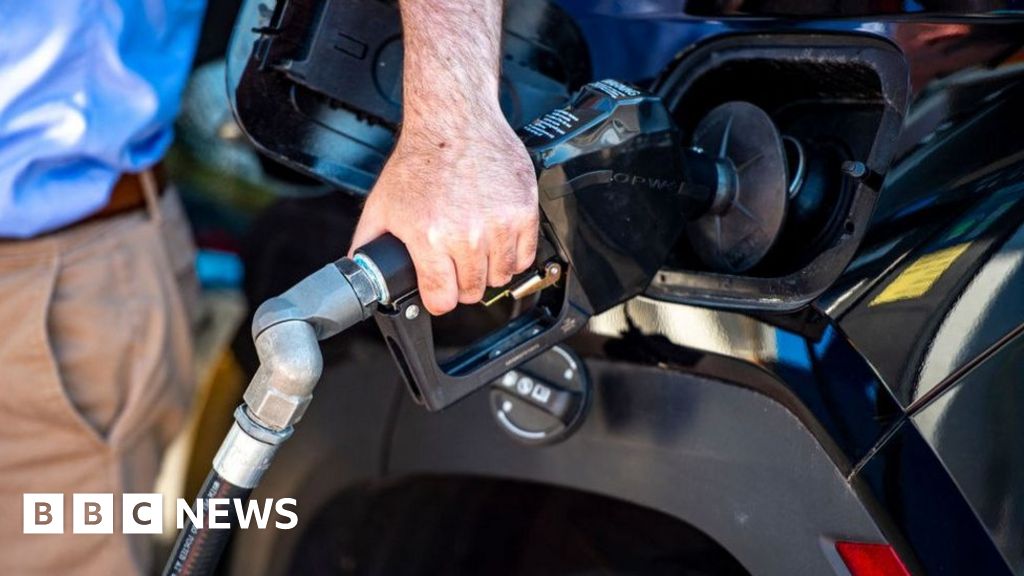
Energy prices in the US fell in July
Prices in the US continued to rise rapidly last month, but a fall in petrol costs helped to ease the pace.
The annual inflation rate, the pace at which prices rise, was 8.5% in July, down from June when it surged to 9.1%, the Labor Department said.
Aside from energy, costs for many items, including groceries and housing, continued to climb.
The higher costs have left many families struggling and had a significant impact on the economy.
Jobs growth remains strong, but other indicators, like consumer and business sentiment, have been hit by worries about rising prices, which are climbing faster than they have since the early 1980s.
Over the last 12 months, prices for groceries in the US have jumped 13.1%, the largest annual increase since 1979. Rising coffee prices helped push those costs higher in July, surging 3.5% just since June.
Prices for housing, medical care and recreation were also up from June, but the gains were offset by declines for items such as used cars, airfares and clothing.
Petrol prices fell by 7.7% compared with June, when prices at the pump had hit a record high of more than $5 per gallon on average.
Overall the report was better than many analysts had expected.
"This is not yet the meaningful decline in inflation [the US central bank] is looking for. But it's a start and we expect to see broader signs of easing price pressures over the next few months," said Paul Ashworth, chief US economist at Capital Economics.
Prices in the US have been rising rapidly since last year, driven higher by a mix of forces, including strong demand from consumers, whose spending was supported by Covid-19 cheques from the government.
At the same time, pandemic-related shutdowns in China, the war in Ukraine and other issues have strained supplies of goods, including necessities such as oil and wheat.
'Salaries aren't going up as fast'
Aquinnah Rank
As food prices jump, Aquinnah Rank says she has started buying less expensive store brand versions of items like cereal and is buying fewer non-essentials, like cookies.
While the drop in gasoline prices has provided some relief, the 21-year-old student from Massachusetts, who is working this summer in a restaurant, is concerned about finding a job when she graduates from university in May that will pay enough to cover the fast-climbing cost of groceries and rent.
"Salaries aren't necessarily going up as fast, so that's definitely a worry," she says.
The US central bank has been raising interest rates since March to try to stabilise prices.
Increasing interest rates is one way to try to control inflation as it makes borrowing more expensive and should encourage people to borrow and spend less, reducing the demand driving up prices.
But because higher interest rates reduce economic activity, the bank risks tipping the economy into a prolonged downturn, or recession. Last month, the US Commerce Department reported that the economy shrank in the April-June period, the second quarter in a row of decline.
Expectations of slowdown in the US and abroad are part of the reason why oil prices have fallen in recent weeks, in turn leading to lower gasoline costs for consumers.
Silvia Dall'Angelo, senior economist at Federated Hermes, said she expected demand to cool further in coming months, as the bank's rate hikes took hold and continued high prices prompted consumers to reduce their spending.
"This, together with stabilisation in energy prices and a gradual easing of global supply constraints, should drive inflation down more quickly over the course of next year," she said.
But she added: "While the Fed will draw some comfort from today's inflation report, the fight against high inflation is far from over."
From Chip War To Cloud War: The Next Frontier In Global Tech Competition
The global chip war, characterized by intense competition among nations and corporations for supremacy in semiconductor ... Read more
The High Stakes Of Tech Regulation: Security Risks And Market Dynamics
The influence of tech giants in the global economy continues to grow, raising crucial questions about how to balance sec... Read more
The Tyranny Of Instagram Interiors: Why It's Time To Break Free From Algorithm-Driven Aesthetics
Instagram has become a dominant force in shaping interior design trends, offering a seemingly endless stream of inspirat... Read more
The Data Crunch In AI: Strategies For Sustainability
Exploring solutions to the imminent exhaustion of internet data for AI training.As the artificial intelligence (AI) indu... Read more
Google Abandons Four-Year Effort To Remove Cookies From Chrome Browser
After four years of dedicated effort, Google has decided to abandon its plan to remove third-party cookies from its Chro... Read more
LinkedIn Embraces AI And Gamification To Drive User Engagement And Revenue
In an effort to tackle slowing revenue growth and enhance user engagement, LinkedIn is turning to artificial intelligenc... Read more