

US Exempts South Korean Smartphones From Russia Export Bans
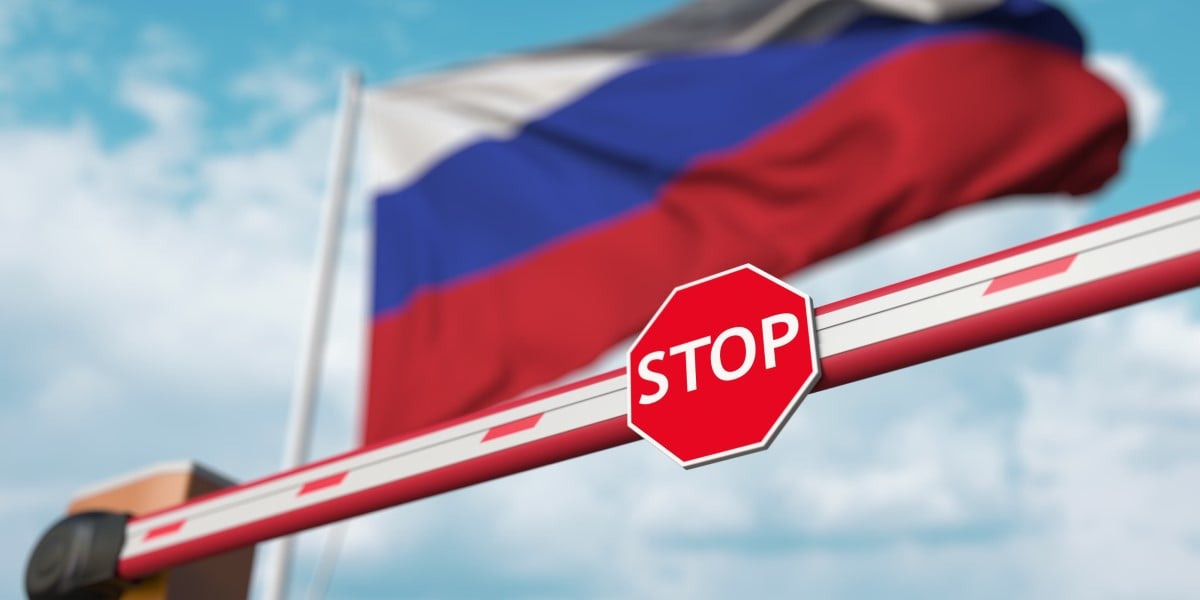
South Korea's Ministry of Trade has revealed that after discussions with the US Department of Commerce, the nation that is home to Samsung is confident that smartphones are exempt from new bans on exporting technology to Russia.
Those bans were imposed in reaction to Russia's illegal invasion of Ukraine. Technology firms have quickly and willingly complied with their new responsibilities by ceasing exports to Russia. Some – notably Oracle and SAP – even went so far as to suspend their operations in Russia. Apple has also suspended all sales in Russia.
Tech exports are an important contributor to South Korea's economy – Samsung's global revenue across all of the sprawling group's businesses equates to around 17 per cent of the nation's GPD. And according to data from analyst firm IDC, Russia's smartphone market runs to between 35 and 40 million units a year, with Samsung holding 34 per cent of that.
The Ministry's note on smartphone export exemptions states that the US Commerce Department is happy for those phones to keep reaching Russia – even if they're made at Samsung plants outside Korea – provided they're not sold to military buyers.
Whitegoods, another big Korean export, are subject to the same rules. So are cars.
- Details of '120,000 Russian soldiers' leaked by Ukrainian media
- EU cuts off key Russian banks from SWIFT system
- New flashpoint: US may ask Chinese tech firms to bin Russia
- Ukraine asks ICANN to delete all Russian domains
Evading sanctions by acquiring kit through front companies is not an advanced manoeuvre: it is therefore entirely conceivable that Russian troops will enjoy uniforms tumbled in LG's new software-defined clothes dryer and discuss that appliance on a Samsung Galaxy S22 – while riding in a Hyundai.
While South Korean industry has reason to feel relieved about export exemptions, Indian firms are nervous that the US could hit them with secondary sanctions. India has called for an end to violence in Ukraine but abstained from a United Nations vote on a resolution "deploring Russia's aggression". India also has strong defense ties with Russia, having pledged to acquire missile systems from its northern neighbor in 2021.
The US has previously used secondary sanctions to deter those who nourish its foes. Nations whose businesses defied bans on exports to Iran, for instance, have found themselves squeezed.
Indian banks are the most likely target of any secondary sanctions if New Delhi is seen to be too much of a pal to Putin. But Washington could also crimp India's access to H-1B visas – the permits that allow skilled workers in short supply stateside to take jobs in. H-1B visas are prized by Indian techies, and are also controversial as Indian services companies are accused of using them to bring lower-paid workers from home rather than paying American residents market rates.
We live in uncomfortably interesting times. ®
From Chip War To Cloud War: The Next Frontier In Global Tech Competition
The global chip war, characterized by intense competition among nations and corporations for supremacy in semiconductor ... Read more
The High Stakes Of Tech Regulation: Security Risks And Market Dynamics
The influence of tech giants in the global economy continues to grow, raising crucial questions about how to balance sec... Read more
The Tyranny Of Instagram Interiors: Why It's Time To Break Free From Algorithm-Driven Aesthetics
Instagram has become a dominant force in shaping interior design trends, offering a seemingly endless stream of inspirat... Read more
The Data Crunch In AI: Strategies For Sustainability
Exploring solutions to the imminent exhaustion of internet data for AI training.As the artificial intelligence (AI) indu... Read more
Google Abandons Four-Year Effort To Remove Cookies From Chrome Browser
After four years of dedicated effort, Google has decided to abandon its plan to remove third-party cookies from its Chro... Read more
LinkedIn Embraces AI And Gamification To Drive User Engagement And Revenue
In an effort to tackle slowing revenue growth and enhance user engagement, LinkedIn is turning to artificial intelligenc... Read more