

US Department Of Energy 'flooring The Accelerator' With $2.5bn Battery Loan On Battery Plants
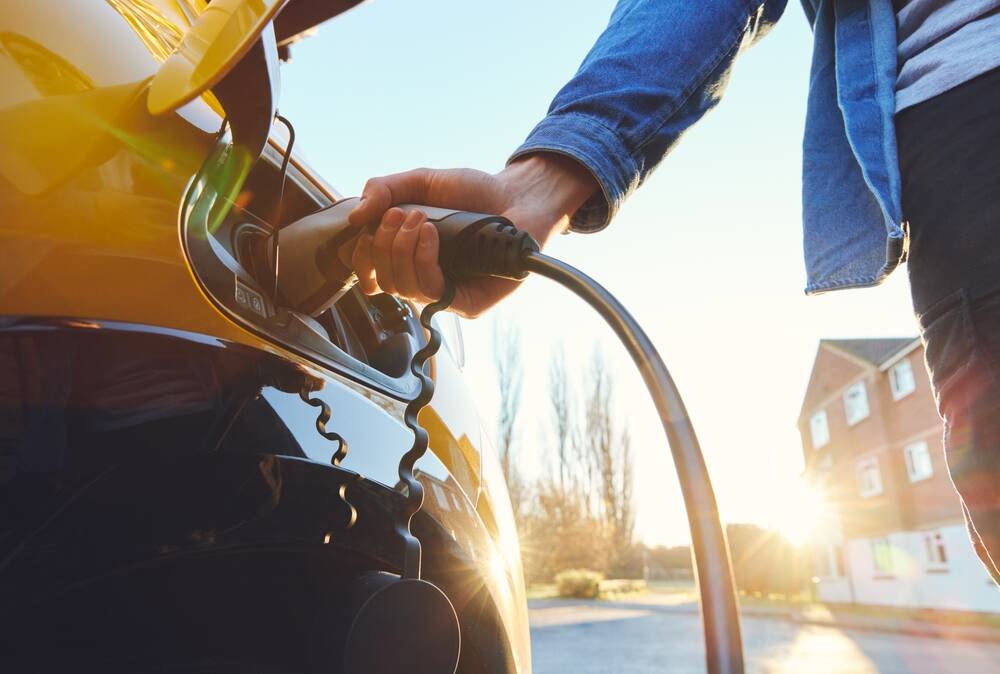
The US Department of Energy will loan battery maker Ultium Cells $2.5 billion to build three new manufacturing plants in Ohio, Tennessee, and Michigan, for America's iconic car business.
"DOE is flooring the accelerator to build the electric vehicle supply chain here at home—and that starts with domestic battery manufacturing led by American workers and the unions that support the Secretary of Energy Jennifer Granholm said in a statement.
"This loan will jumpstart the domestic battery cell production needed to reduce our reliance on other countries to meet increased demand and support President Biden's goals of widespread EV adoption and cutting carbon pollution produced by gas-powered vehicles."
- GM: Seeing as all y'all like our electric cars, we'll double output next year
- Sony, Honda collaborate on 'premium' electric vehicles that are born in the USA
- GM races after Tesla with battery pack tech and solar deal
- Charge a future EV in less than five minutes – using literally cool NASA tech
Ultium Cells was founded in 2019 as a joint venture between General Motors and LG Energy Solution, a subsidiary of South Korean conglomerate LG. The company focuses on developing lithium-ion batteries for electric vehicles to support General Motor's goal of making all of its cars carbon neutral by 2040.
The current Biden-Harris Administration has pledged billions of dollars to expand US manufacturing after supply chains of critical resources buckled during the COVID-19 pandemic. The electric vehicle industry was hit hard; vital semiconductor parts and other materials were in such short supply that automotive manufacturers like General Motors were forced to temporarily shut down their factories.
President Biden launched the American Battery Materials Initiative in October, announcing the DOE was awarding $2.8 billion in grants under the Bipartisan Infrastructure Law. It should be noted, however, that the loan to Ultium Cells stems from the Advanced Technology Vehicles Manufacturing (ATVM) program, a different initiative that was first started in 2007 by President George Bush.
"Financing from the ATVM program complements the historic investments of the President's Bipartisan Infrastructure Law—$7.5 billion for EV charging infrastructure and more than $7 billion for the critical minerals supply chains necessary for batteries, components, materials, and recycling," the DOE said.
The Biden-Harris Administration has promised to put aside $3 billion to fund additional loans until 30 September 2028 to keep the ATVM program going, and wants all new car sales to be electric vehicles by 2030 to reach net zero emissions by 2050.
The three electric vehicle battery factories are expected to create more than 11,000 jobs, funding 6,000 positions in construction, and 5,100 roles in operations. ®
From Chip War To Cloud War: The Next Frontier In Global Tech Competition
The global chip war, characterized by intense competition among nations and corporations for supremacy in semiconductor ... Read more
The High Stakes Of Tech Regulation: Security Risks And Market Dynamics
The influence of tech giants in the global economy continues to grow, raising crucial questions about how to balance sec... Read more
The Tyranny Of Instagram Interiors: Why It's Time To Break Free From Algorithm-Driven Aesthetics
Instagram has become a dominant force in shaping interior design trends, offering a seemingly endless stream of inspirat... Read more
The Data Crunch In AI: Strategies For Sustainability
Exploring solutions to the imminent exhaustion of internet data for AI training.As the artificial intelligence (AI) indu... Read more
Google Abandons Four-Year Effort To Remove Cookies From Chrome Browser
After four years of dedicated effort, Google has decided to abandon its plan to remove third-party cookies from its Chro... Read more
LinkedIn Embraces AI And Gamification To Drive User Engagement And Revenue
In an effort to tackle slowing revenue growth and enhance user engagement, LinkedIn is turning to artificial intelligenc... Read more