

US Copyright Office Found AI Companies Sometimes Breach Copyright. Next Day Its Boss Was Fired
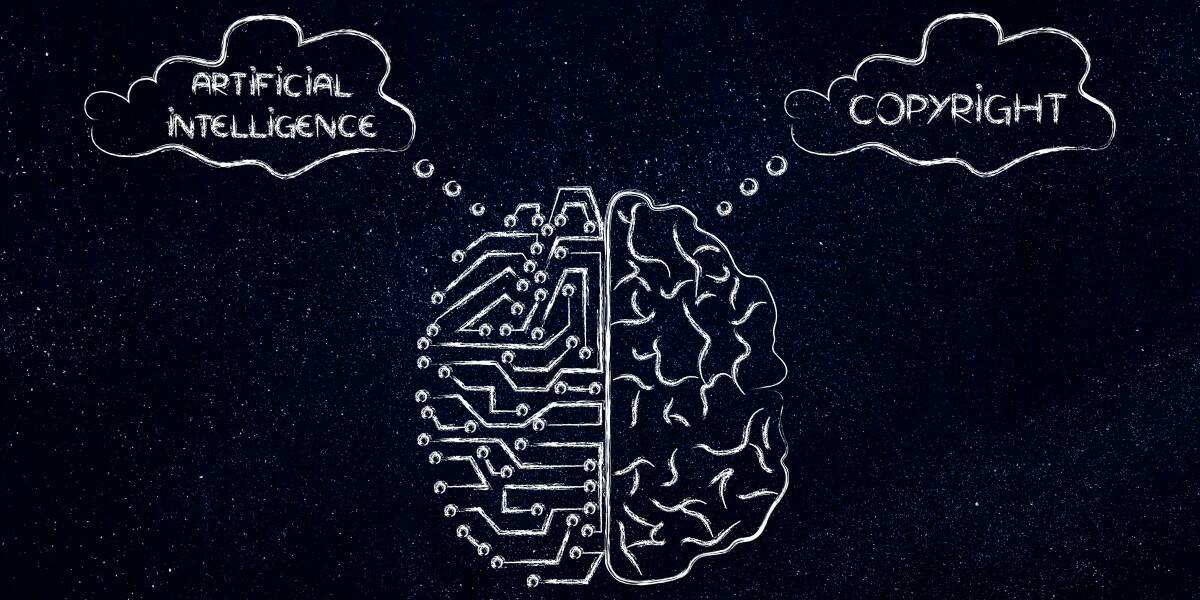
The head of the US Copyright Office has reportedly been fired, the day after agency concluded that builders of AI models use of copyrighted material went beyond existing doctrines of fair use.
The office’s opinion on fair use came in a draft of the third part of its report on copyright and artificial intelligence. The first part considered digital replicas and the second tackled whether it is possible to copyright the output of generative AI.
The office published the draft [PDF] of Part 3, which addresses the use of copyrighted works in the development of generative AI systems, on May 9th.
The draft notes that generative AI systems “draw on massive troves of data, including copyrighted works” and asks: “Do any of the acts involved require the copyright owners’ consent or compensation?”
That question is the subject of several lawsuits, because developers of AI models have admitted to training their products on content scraped from the internet and other sources without compensating content creators or copyright owners. AI companies have argued fair use provisions of copyright law mean they did no wrong.
As the report notes, one test courts use to determine fair use considers “the effect of the use upon the potential market for or value of the copyrighted work”. If a judge finds an AI company’s use of copyrighted material doesn’t impact a market or value, fair use will apply.
The report finds AI companies can’t sustain a fair use defense in the following circumstances:
The office will soon publish a final version of Part 3 that it expects will emerge “without any substantive changes expected in the analysis or conclusions.”
Tech law professor Blake. E Reid described the report as “very bad news for the AI companies in litigation” and “A straight-ticket loss for the AI companies”.
Among the AI companies currently in litigation on copyright matters are Google, Meta, OpenAI, and Microsoft. All four made donations to Donald Trump’s inauguration fund.
Reid’s post also pondered the timing of the Part 3 report – despite the office saying it was released “in response to congressional inquiries and expressions of interest from stakeholders” – and wrote “I continue to wonder (speculatively!) if a purge at the Copyright Office is incoming and they felt the need to rush this out.”
Reid looks prescient as the Trump administration reportedly fired the head of the Copyright Office, Shira Perlmutter, on Saturday.
- Bad trip coming for AI hype as humanity tools up to fight back
- Tech titans: Wanna secure US AI leadership? Stop giving the world excuses to buy Chinese
- TAKE IT DOWN Act? Yes, take the act down before it's too late for online speech
- On the issue of AI copyright, Blair Institute favors tech bros over Cool Britannia
Representative Joe Morelle (D-NY), wrote the termination was “…surely no coincidence he acted less than a day after she refused to rubber-stamp Elon Musk’s efforts to mine troves of copyrighted works to train AI models.”
Morelle linked the words “she refused to rubber-stamp” to the Part 3 report discussed above.
The remarks about Musk may refer to the billionaire’s recent endorsement of Twitter founder Jack Dorsey’s desire to “Delete all IP law", or the Tesla and SpaceX boss’s plans to train his own “Grok” AI on X users’ posts.
There’s another possible explanation for Perlmutter’s ousting: The Copyright Office is a department of the Library of Congress, whose leader was last week fired on grounds of “quite concerning things that she had done … in the pursuit of DEI [diversity, equity, and inclusion] and putting inappropriate books in the library for children," according to White House press secretary Karoline Leavitt.
So maybe this is just the Trump administration enacting its policy on diversity without regard to the report’s possible impact on donors or Elon Musk. ®
From Chip War To Cloud War: The Next Frontier In Global Tech Competition
The global chip war, characterized by intense competition among nations and corporations for supremacy in semiconductor ... Read more
The High Stakes Of Tech Regulation: Security Risks And Market Dynamics
The influence of tech giants in the global economy continues to grow, raising crucial questions about how to balance sec... Read more
The Tyranny Of Instagram Interiors: Why It's Time To Break Free From Algorithm-Driven Aesthetics
Instagram has become a dominant force in shaping interior design trends, offering a seemingly endless stream of inspirat... Read more
The Data Crunch In AI: Strategies For Sustainability
Exploring solutions to the imminent exhaustion of internet data for AI training.As the artificial intelligence (AI) indu... Read more
Google Abandons Four-Year Effort To Remove Cookies From Chrome Browser
After four years of dedicated effort, Google has decided to abandon its plan to remove third-party cookies from its Chro... Read more
LinkedIn Embraces AI And Gamification To Drive User Engagement And Revenue
In an effort to tackle slowing revenue growth and enhance user engagement, LinkedIn is turning to artificial intelligenc... Read more