

US Bars Nvidia And AMD From Selling AI-centric Accelerators To China And Russia
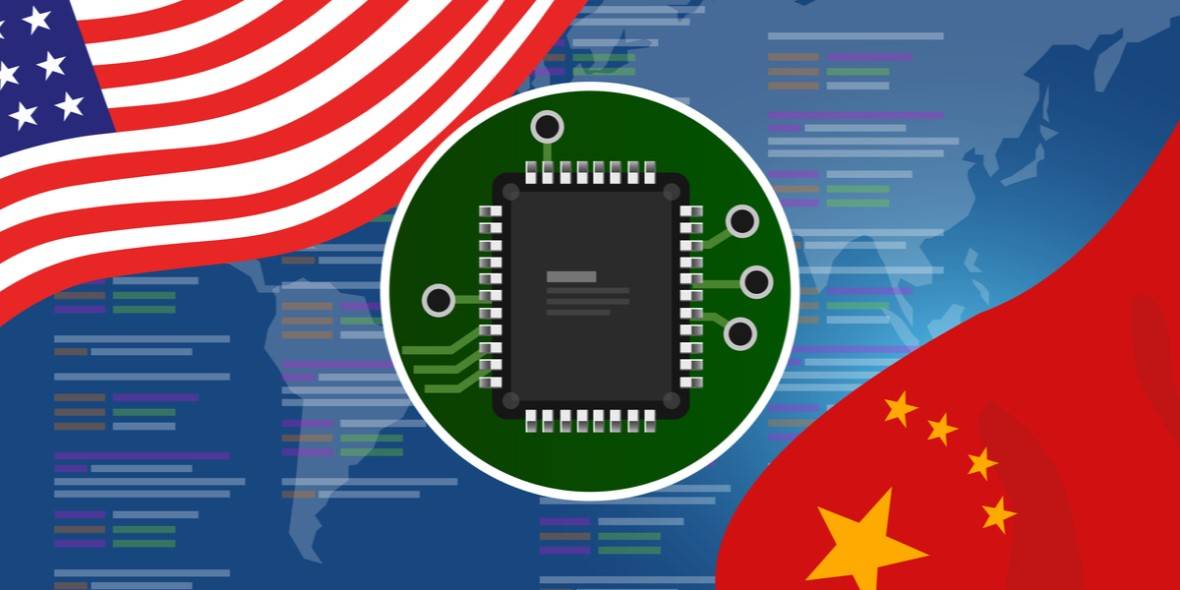
Updated As part of ongoing efforts to restrict China and Russia accessing advanced American technology, the US government last week banned AMD and NVIDIA from selling some AI kit to China.
“The US government has imposed a new license requirement, effective immediately, for any future export to China (including Hong Kong) and Russia of the Company’s A100 and forthcoming H100 integrated circuit,” said Nvidia in an SEC filing.
Items covered by the license include the NVIDIA A100 Tensor Core GPU, the A100x which adds a data processing unit (SmartNIC) to the A100, and the H100 GPU that Nvidia claims will make natural language processing apps sing.
“The USG indicated that the new license requirement will address the risk that the covered products may be used in, or diverted to, a ‘military end use’ or ‘military end user’ in China and Russia,” states Nvidia's regulatory filing disclosing the license. The filing adds that the company does not sell products to customers in Russia.
- US warns losing access to Taiwanese chips could break the economy
- UK blocks sale of chip design software company to China
- What are Nvidia and AMD doing getting involved with SmartNICs and VMware?
- Arm sues Qualcomm over custom Nuvia CPU cores, wants designs destroyed
Nvidia's filing also warns that the new export license requirement could hinder its ability to develop the H100 or support existing A100 customers and potentially require some operations be moved out of China. Furthermore, it said its Q3 2022 forecast, which included $400 million in sales to China, may now be inaccurate.
Nvidia said it is seeking exemptions from authorities regarding its internal development and support activities. It is also looking to swap out banned products for legal ones for its China-based customers.
AMD did not issue an SEC filing about the license, however a spokesperson reportedly said the company has been told to stop shipping its top AI accelerator, the MI250, to China. AMD said it does not expect the rules to have a significant business impact.
AMD reportedly alerted its China operations of the changes on Wednesday.
News of the bans caused Nvidia shares to fall two percent and AMD shares to fall 3.7 percent in after hours trading.
The US has steadily restricted China’s access to semiconductor tech since at least 2019 when the Trump administration banned Huawei from buying vital US technology without approval and prohibited its equipment from appearing in US telecom networks.
Last month, the US formally banned the export of four technologies tied to semiconductor manufacturing, citing they were “vital to national security.” The ban included the export of two ultra-wide bandgap semiconductor materials, as well as some types of electronic computer-aided design (ECAD) software, which is commonly used to scale semiconductors to 3 nanometers or less, and pressure gain combustion (PGC) technology.
China has a policy to deploy AI widely to power government services and make industry more productive.
The new license will therefore bother Beijing, and perhaps also raise the stakes of already tense US-Taiwan-China relations because Nvidia and AMD both have some chips made by Taiwan Semiconductor Manufacturing Company (TSMC). ®
Updated to add
Nvidia now says the US government has allowed it to continue to develop its H100 AI chip in China.
"The US government has authorized exports, reexports, and in-country transfers needed to continue Nvidia's development of H100 integrated circuits," Nvidia said in a filing today, after this article was published.
From Chip War To Cloud War: The Next Frontier In Global Tech Competition
The global chip war, characterized by intense competition among nations and corporations for supremacy in semiconductor ... Read more
The High Stakes Of Tech Regulation: Security Risks And Market Dynamics
The influence of tech giants in the global economy continues to grow, raising crucial questions about how to balance sec... Read more
The Tyranny Of Instagram Interiors: Why It's Time To Break Free From Algorithm-Driven Aesthetics
Instagram has become a dominant force in shaping interior design trends, offering a seemingly endless stream of inspirat... Read more
The Data Crunch In AI: Strategies For Sustainability
Exploring solutions to the imminent exhaustion of internet data for AI training.As the artificial intelligence (AI) indu... Read more
Google Abandons Four-Year Effort To Remove Cookies From Chrome Browser
After four years of dedicated effort, Google has decided to abandon its plan to remove third-party cookies from its Chro... Read more
LinkedIn Embraces AI And Gamification To Drive User Engagement And Revenue
In an effort to tackle slowing revenue growth and enhance user engagement, LinkedIn is turning to artificial intelligenc... Read more