

US Bans Good For Chinese Chipmakers, And Bad For Us, Says Taiwanese Rival
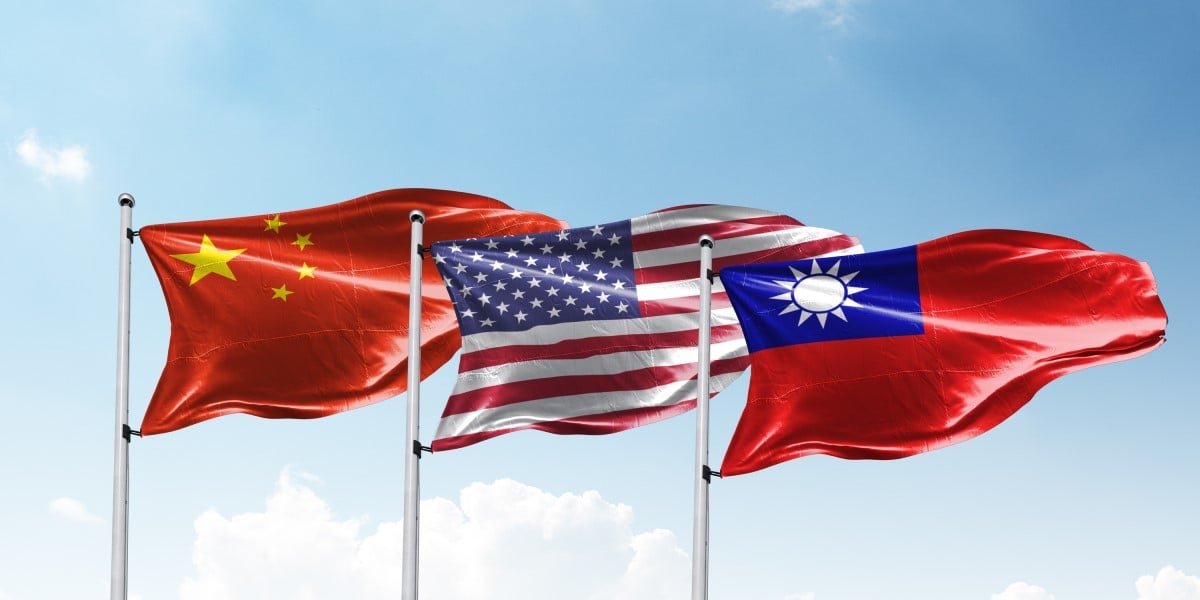
The chairman of Taiwan’s biggest chip designer, Mediatek’s Tsai Ming-kai, expressed distress over US semiconductor sanctions yesterday, saying they may hurt Taiwan's chip houses.
"The US export controls against China's advanced chip sector in October last year has prompted Chinese government funds to flow into the mature chip technology sector, and we believe Taiwan's small and mid-size chip design houses will possibly be the first to be affected," Tsai reportedly said.
The chairman was speaking at the release of a white paper he co-authored by Taiwan Semiconductor Industry Association (TSIA) and Digitimes titled "Taiwan IC Design Industry Policy White Paper." The TSIA referred to the document as the first policy white paper initiated by the IC design industry in Taiwanese history.
- China sought control of submarine cables to spy, says Micronesia
- SHEIN has the look of America's next tech-meets-geopolitics fit-up
- No 'decoupling' here: Apple, Samsung, and Qualcomm sing China's praises
- Jack Ma is back, and he has some feelpinions to share
Tsai said hefty subsidies and tax incentives offered by the US, the EU, Japan and South Korea are playing an increasing role in the industry’s competitiveness and should be watched with caution.
He also said he expects the government to launch its own Chips Act, which he urged should focus on more than top chipmaking companies to think of the whole ecosystem including design, integration and downstream application. He reckons the total investment should be at least $1.4 billion.
“At this time, Taiwan's IC design industry is facing hidden concerns such as the rapid rise of Chinese players, the serious shortage of domestic talents, and the few players investing in advanced technologies/products, and it is urgent to take active actions to consolidate its current competitive advantage and market position,” said TSIA in a canned statement.
The paper alleges that if no action is taken, Taiwan’s overall chip market share will slide while China’s flourishes. China’s mature analog chips currently account for 10 percent of the global market.
“Taiwan is a key player in the global semiconductor industry, of which the IC design industry will achieve an 18 percent global market share with an output value of about $40 billion in 2022. Although Taiwan's IC design industry employs only 52,000 people, it contributes 29 percent of Taiwan's semiconductor output and 2.4 percent of GDP,” said the TSIA.
The paper puts forward six major suggestions to improve Taiwan’s overall chip strategy, talent policy, and operating environment. These include: mapping and promoting national-level semiconductor strategies, proactive budgeting, and nurturing design talent, including individuals based overseas.
It also suggested reexamining policies for establishing new local R&D centers, strengthening the mastery and layout of IC design core technologies, and assisting industry consolidation and internationalization. ®
From Chip War To Cloud War: The Next Frontier In Global Tech Competition
The global chip war, characterized by intense competition among nations and corporations for supremacy in semiconductor ... Read more
The High Stakes Of Tech Regulation: Security Risks And Market Dynamics
The influence of tech giants in the global economy continues to grow, raising crucial questions about how to balance sec... Read more
The Tyranny Of Instagram Interiors: Why It's Time To Break Free From Algorithm-Driven Aesthetics
Instagram has become a dominant force in shaping interior design trends, offering a seemingly endless stream of inspirat... Read more
The Data Crunch In AI: Strategies For Sustainability
Exploring solutions to the imminent exhaustion of internet data for AI training.As the artificial intelligence (AI) indu... Read more
Google Abandons Four-Year Effort To Remove Cookies From Chrome Browser
After four years of dedicated effort, Google has decided to abandon its plan to remove third-party cookies from its Chro... Read more
LinkedIn Embraces AI And Gamification To Drive User Engagement And Revenue
In an effort to tackle slowing revenue growth and enhance user engagement, LinkedIn is turning to artificial intelligenc... Read more