

Unilever: Ice Cream In, Personal Hygiene Out In Lockdown
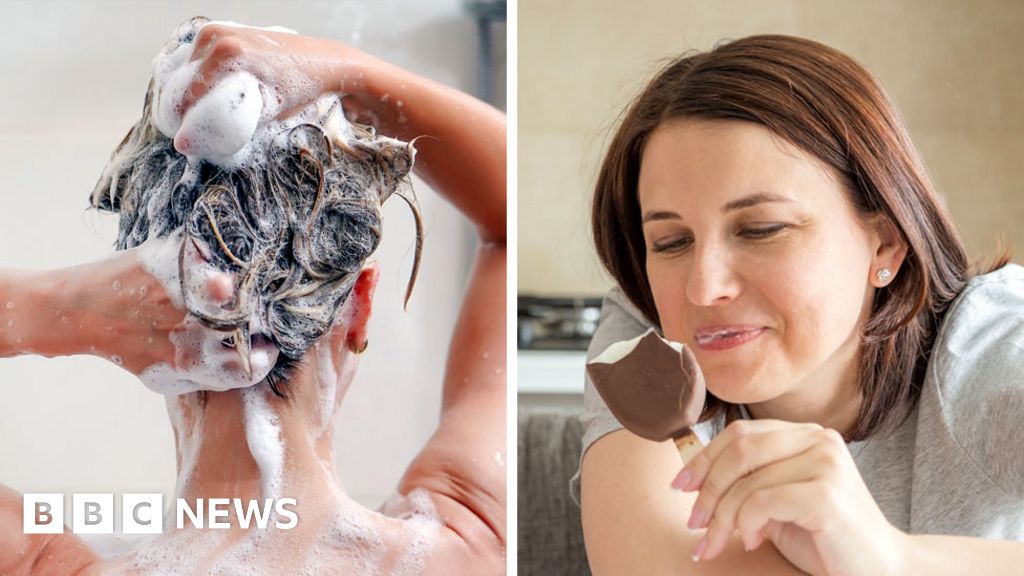
 Image copyright
Getty Images
Image copyright
Getty Images
People working from home have been eating more ice cream but neglecting their grooming habits, consumer goods giant Unilever has suggested.
The firm said ice cream sales leapt 26% in the three months to June, but demand for shampoo and deodorant fell.
It said it had seen strong "growth in home consumption of foods, ice cream and tea" during lockdown.
But there had been "fewer personal care occasions from going to work or socialising".
However, it said sales of some cleaning products, such as hand sanitiser, had soared as people stepped up efforts to battle Covid-19.
The firm's Magnum and Ben and Jerry's brands benefited the most as people bought more ice cream to eat at home.
The company - which makes the deodorant Lynx and Dove soap - had warned about shrinking personal care sales at its last trading update in April.
It said that as more people worked from home, they were washing their hair less often, putting off shaving and even ditching deodorant.
Four months on, it said personal care sales had continued to slump.
But it reported increased demand for household cleaning products, such as Cif surface cleaners and Domestos, which campaigned to educate consumers about targeted cleaning of high-touch surfaces in the home to help prevent the spread of coronavirus.
Unilever - which owns brands such as Marmite and PG Tips tea - posted a 4% climb in first-half pre-tax profits to €4.5bn (£3.5bn) after people stockpiled toilet rolls and other consumer goods at the start of the coronavirus crisis.
"In North America and parts of Europe, there was a positive impact from household stocking in March," it said.
"Consumption patterns then normalised in the second quarter with heightened levels of demand for hygiene and in-home food products."
Boss Alan Jope said the results "demonstrated the resilience of the business", as demand from the hospitality industry for its products slumped after hotels, restaurants, cafes and bars closed.
But with people buying more food to eat at home, the company saw double-digit growth in its retail foods business, with Knorr soups and Hellmann's sauces performing strongly.
Unilever also confirmed plans to spin off its tea business, which includes other household brands such as Lipton and Brooke Bond.
It said it would retain its tea businesses in India and Indonesia and partnership interests in ready-to-drink tea joint ventures.
"The balance of Unilever's tea brands and geographies and all tea estates have an exciting future, and this potential can best be achieved as a separate entity," it said.
"A process will now begin to implement the separation, which is expected to conclude by the end of 2021."
From Chip War To Cloud War: The Next Frontier In Global Tech Competition
The global chip war, characterized by intense competition among nations and corporations for supremacy in semiconductor ... Read more
The High Stakes Of Tech Regulation: Security Risks And Market Dynamics
The influence of tech giants in the global economy continues to grow, raising crucial questions about how to balance sec... Read more
The Tyranny Of Instagram Interiors: Why It's Time To Break Free From Algorithm-Driven Aesthetics
Instagram has become a dominant force in shaping interior design trends, offering a seemingly endless stream of inspirat... Read more
The Data Crunch In AI: Strategies For Sustainability
Exploring solutions to the imminent exhaustion of internet data for AI training.As the artificial intelligence (AI) indu... Read more
Google Abandons Four-Year Effort To Remove Cookies From Chrome Browser
After four years of dedicated effort, Google has decided to abandon its plan to remove third-party cookies from its Chro... Read more
LinkedIn Embraces AI And Gamification To Drive User Engagement And Revenue
In an effort to tackle slowing revenue growth and enhance user engagement, LinkedIn is turning to artificial intelligenc... Read more