

UK To Cut Import Taxes From Some Of World's Poorest Countries
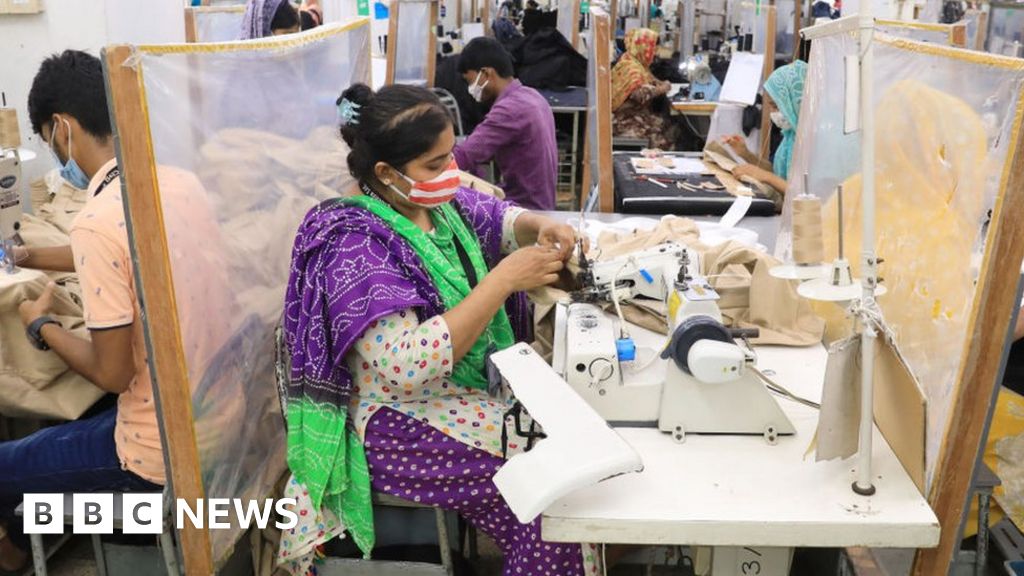
Some textiles are among the products which benefit from lower tariffs
The UK is to cut import taxes on hundreds more products from some of the world's poorest countries to boost trade links.
The Developing Countries Trading Scheme comes into force in January and builds on a scheme the UK was first part of while a member of the European Union.
Goods such as clothes, shoes and foods not widely produced in the UK will benefit from lower or zero tariffs.
The scheme covers 65 developing countries.
It is on top of the thousands of products which developing nations can already export to the UK without tariffs and will affect around 99% of goods imported from Africa.
The Department for International Trade said the work was part of a wider push by the UK to use trade to "drive prosperity and help eradicate poverty", as well as reduce dependency on aid.
The scheme includes powers to suspend a country on the grounds of human rights or labour violations, as well as for not meeting their climate change obligations.
International Trade Secretary Anne-Marie Trevelyan said: "As an independent trading nation, we are taking back control of our trade policy and making decisions that back UK businesses, help with the cost of living, and support the economies of developing countries around the world.
"UK businesses can look forward to less red-tape and lower costs, incentivising firms to import goods from developing countries."
Many goods, from textiles to fruit, in 65 of the world's poorest nations already benefit from reduced or zero tariffs when sold to the UK, making them more appealing.
The new scheme cuts some of those charges further - for example, on cucumbers which can not be produced here during the winter.
It also simplifies the rules for which items, such as some textiles, qualify for preferential treatment.
The changes could save importers millions of pounds - although, even if passed on in full, the price savings for consumers may be marginal.
Coming when aid to developing countries has been reduced, the scheme underlines a government policy of using trade instead.
The scheme removes some seasonal tariffs on products like cucumbers, which cannot be grown in the UK in the winter, so they are tariff-free during this period for the majority of countries under the scheme.
It also simplifies trade rules such as rules of origin, which dictate what proportion of a product must be made in its country of origin.
Mohammed Jabbar, managing director of DBL Group, a textile business from Bangladesh, said this was a "game changer" for his company.
"[The changes] mean we will be able to source our cotton from many more countries than we could before, which will make the business more competitive and our supply chains a lot more resilient," he said.
From Chip War To Cloud War: The Next Frontier In Global Tech Competition
The global chip war, characterized by intense competition among nations and corporations for supremacy in semiconductor ... Read more
The High Stakes Of Tech Regulation: Security Risks And Market Dynamics
The influence of tech giants in the global economy continues to grow, raising crucial questions about how to balance sec... Read more
The Tyranny Of Instagram Interiors: Why It's Time To Break Free From Algorithm-Driven Aesthetics
Instagram has become a dominant force in shaping interior design trends, offering a seemingly endless stream of inspirat... Read more
The Data Crunch In AI: Strategies For Sustainability
Exploring solutions to the imminent exhaustion of internet data for AI training.As the artificial intelligence (AI) indu... Read more
Google Abandons Four-Year Effort To Remove Cookies From Chrome Browser
After four years of dedicated effort, Google has decided to abandon its plan to remove third-party cookies from its Chro... Read more
LinkedIn Embraces AI And Gamification To Drive User Engagement And Revenue
In an effort to tackle slowing revenue growth and enhance user engagement, LinkedIn is turning to artificial intelligenc... Read more