

Uber To Pay $2.2m To Disabled Riders Over Wait Fees
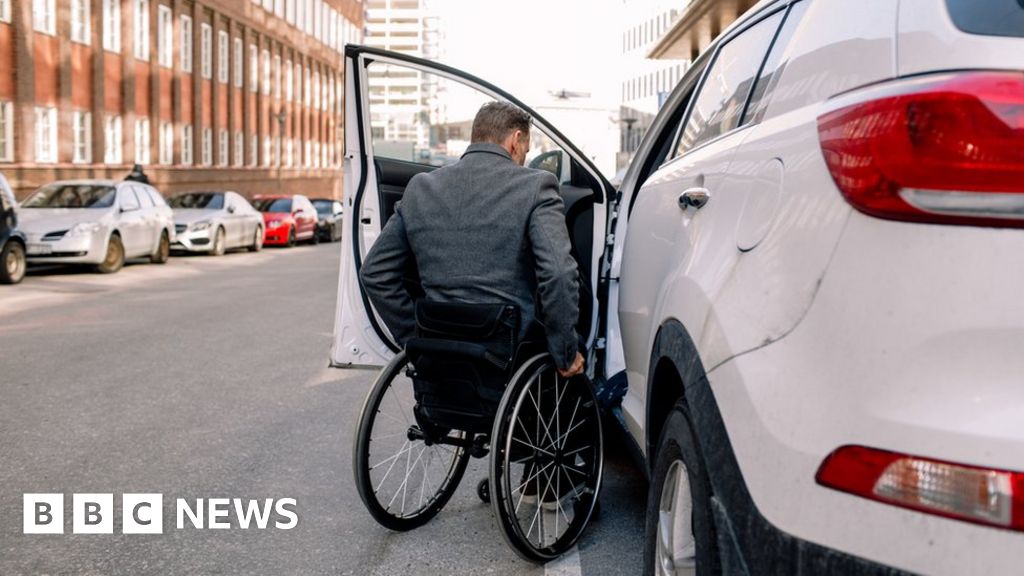
Uber has agreed to pay more than $2m (£1.68m) to settle claims brought by the US government that its wait time fees discriminated against customers with disabilities.
The firm also agreed to waive charges for disabled users in the future.
More than 1,000 people had complained about the fees, which often kick in if it takes more than two minutes to get into the car.
Uber said its policy was to refund wait fees for disabled riders.
In resolving the lawsuit, the ride-hailing company denied wrongdoing.
"It has long been our policy to refund wait time fees for riders with a disability when they alerted us that they were charged," the company said, adding that it had made changes before the lawsuit to have disabled riders' wait time fees waived automatically when Uber is notified that they were charged.
Uber started charging wait time fees in some cities in 2016, eventually expanding the practice, according to the lawsuit, which the US Department of Justice filed in November.
The average fee was less than 60 cents, the company said at the time.
Under the terms of the deal, Uber agreed to pay more than $1.7m to about 1,000 riders who complained, as well as $500,000 more to some people identified by the Department of Justice.
Officials said the settlement would also yield "hundreds of thousands or millions of dollars in compensation" for the more than 65,000 people who have signed up for the waivers.
"People with disabilities should not be made to feel like second-class citizens or punished because of their disability, which is exactly what Uber's wait time fee policy did," Assistant Attorney General Kristen Clarke said in a statement.
It is not the first time that Uber has found itself in hot water over disability issues.
Last year, it was ordered to pay a blind woman in San Francisco $1.1m after she was refused rides on 14 occasions. In the UK, Paralympic medallist Jack Hunter-Spivey said that Uber and other taxi drivers regularly drove off when they saw that he was a wheelchair user.
From Chip War To Cloud War: The Next Frontier In Global Tech Competition
The global chip war, characterized by intense competition among nations and corporations for supremacy in semiconductor ... Read more
The High Stakes Of Tech Regulation: Security Risks And Market Dynamics
The influence of tech giants in the global economy continues to grow, raising crucial questions about how to balance sec... Read more
The Tyranny Of Instagram Interiors: Why It's Time To Break Free From Algorithm-Driven Aesthetics
Instagram has become a dominant force in shaping interior design trends, offering a seemingly endless stream of inspirat... Read more
The Data Crunch In AI: Strategies For Sustainability
Exploring solutions to the imminent exhaustion of internet data for AI training.As the artificial intelligence (AI) indu... Read more
Google Abandons Four-Year Effort To Remove Cookies From Chrome Browser
After four years of dedicated effort, Google has decided to abandon its plan to remove third-party cookies from its Chro... Read more
LinkedIn Embraces AI And Gamification To Drive User Engagement And Revenue
In an effort to tackle slowing revenue growth and enhance user engagement, LinkedIn is turning to artificial intelligenc... Read more