

Tongues Wag That Softbank's Son May Sell Arm To Samsung
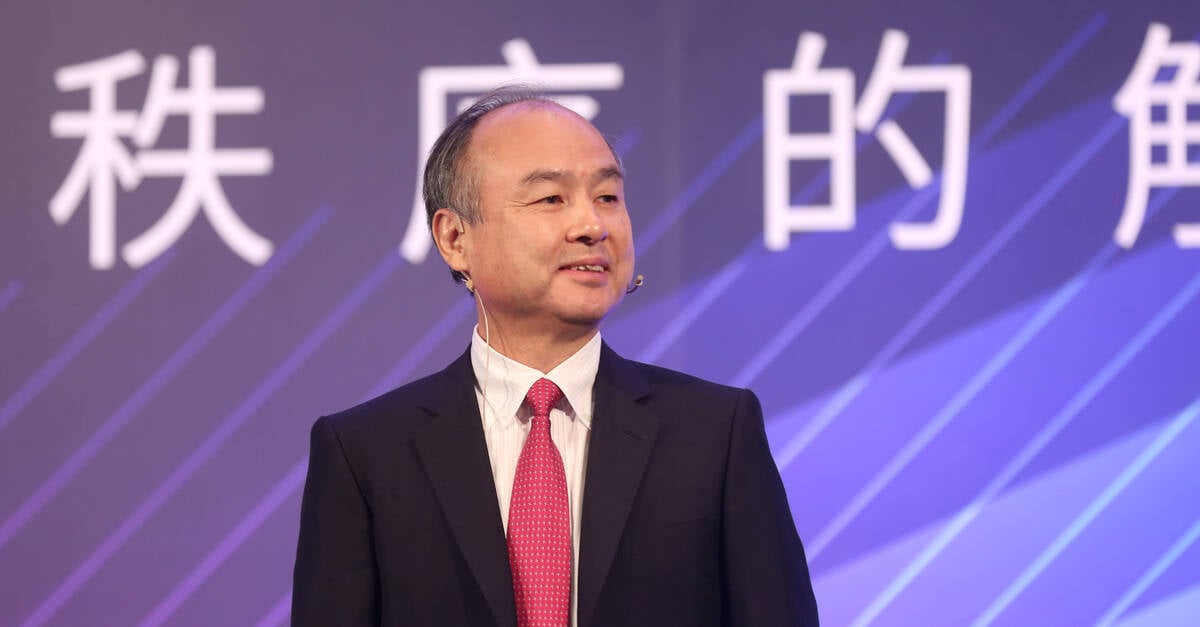
SoftBank mogul Masayoshi Son reportedly plans to meet executives at Samsung Electronics in Seoul to discuss a partnership between the Japanese mega-conglomerate's Arm subsidiary and the South Korean foundry giant.
According to Bloomberg, Son, during his first visit to Korea in three years, intends to discuss a “strategic alliance” between Arm and Samsung.
The specifics of what that alliance may entail remain up for speculation. One potential point of discussion is a possible sale – in whole or part – of the British chip designer to the uber-chaebol. This follows rumors that Qualcomm was mulling buying a stake in Arm.
We get the slight sense that SoftBank wants shot of Arm.
While SoftBank had signaled its intent to take Arm public after a $66 billion attempt to sell the CPU design house to America's Nvidia was not only confronted with insurmountable pushback from regulators, but backlash from certain corners of the semiconductor industry – notably the ones licensing Arm's processor blueprints, who feared what Nvidia would do to the ecosystem.
If Arm goes public again, it could be valued at up to $60 billion. However, SoftBank put plans for a London IPO on hold in July, citing political upset in the UK in the wake of then-Prime Minister Boris Johnson’s resignation.
Johnson had reportedly ordered an incentive package be assembled to secure a local listing. At the time it was also suggested that SoftBank’s Son was instead seeking a listing on the New York Stock Exchange, a preference he’d made plain during a shareholder meeting in June. As of this month, the UK government was still pushing for a dual listing.
- UK govt refuses to give up on scoring Arm dual-listing for London
- Arm sues Qualcomm over custom Nuvia CPU cores, wants designs destroyed
- Arm still jewel in crown as parent SoftBank nurses record $23.5b hit
- SoftBank reportedly moves London IPO out of Arm's reach
News of Son’s visit to the South Korean capital comes as SoftBank’s Vision fund faces its largest losses in its history. In August the Japanese conglomerate reported a blistering ¥3.16 trillion ($22 billion) loss over the previous three months.
And for its part, Samsung is not only among the largest producers of consumer electronics in the world, it designs many of its own chips under the Exynos line, and is the second largest foundry operator behind Taiwan’s TSMC. An Arm buy, however unlikely, would secure Samsung a massive library of intellectual property with which to manufacture chips as well as licensing the designs out. Samsung is an Arm licensee.
The full stack approach would mirror Intel, which is rapidly expanding its own fab infrastructure to support contact manufacturing under its IDM 2.0 strategy. Under its newly formed Intel Foundry Service (IFS) business unit, the chipmaker plans to manufacture components based on a combination of its own internally developed and licensed designs, designs using Arm or RISC-V technology, and customers' own custom IP.
With that said, it’s hard to see how SoftBank would avoid the same regulatory pitfalls that ultimately doomed Nvidia’s attempted acquisition.
The Register has reached out to Samsung and SoftBank for a response; we'll let you know if we hear anything back. Arm declined to comment. ®
From Chip War To Cloud War: The Next Frontier In Global Tech Competition
The global chip war, characterized by intense competition among nations and corporations for supremacy in semiconductor ... Read more
The High Stakes Of Tech Regulation: Security Risks And Market Dynamics
The influence of tech giants in the global economy continues to grow, raising crucial questions about how to balance sec... Read more
The Tyranny Of Instagram Interiors: Why It's Time To Break Free From Algorithm-Driven Aesthetics
Instagram has become a dominant force in shaping interior design trends, offering a seemingly endless stream of inspirat... Read more
The Data Crunch In AI: Strategies For Sustainability
Exploring solutions to the imminent exhaustion of internet data for AI training.As the artificial intelligence (AI) indu... Read more
Google Abandons Four-Year Effort To Remove Cookies From Chrome Browser
After four years of dedicated effort, Google has decided to abandon its plan to remove third-party cookies from its Chro... Read more
LinkedIn Embraces AI And Gamification To Drive User Engagement And Revenue
In an effort to tackle slowing revenue growth and enhance user engagement, LinkedIn is turning to artificial intelligenc... Read more