

Tomorrow Water Thinks We Should Colocate Datacenters And Sewage Plants
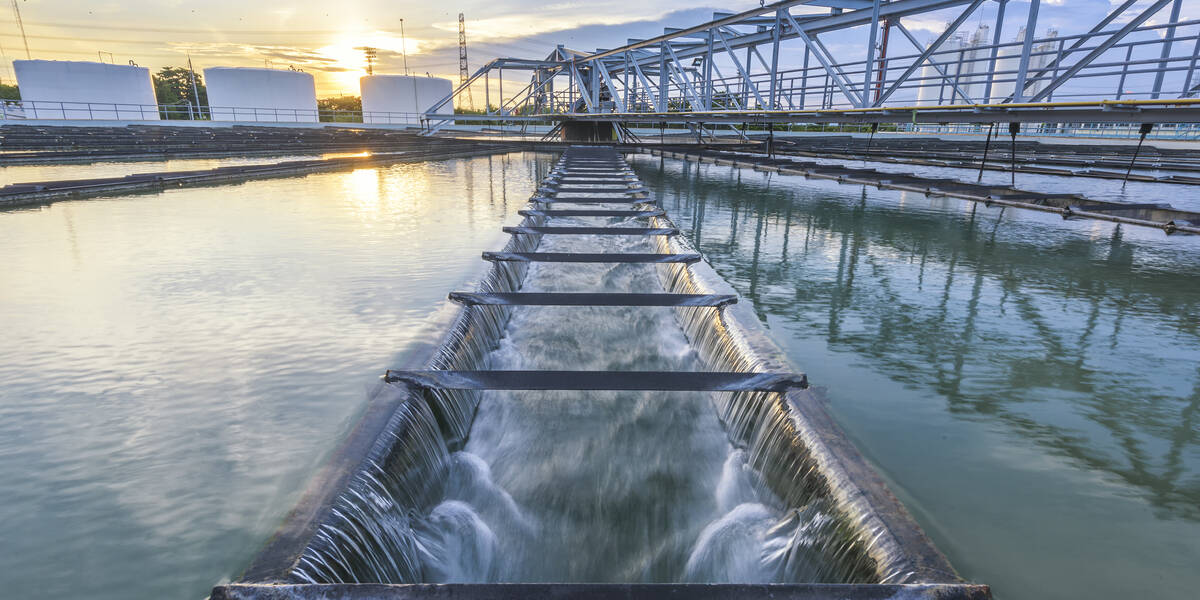
Tomorrow Water, a subsidiary of Korean firm BKT, is aiming to make datacenters more environmentally friendly by colocating them with sewage treatment plants, an arrangement it claims can save both energy and water.
The idea behind the process is fairly simple: heated water from a datacenter can be used to boost waste water processing, cutting energy requirements for that, while some of the treated water then becomes cooling water for the datacenter.
In Korea, Tomorrow Water has now signed a memorandum of understanding with Samsung, Dohwa Engineering, and BNZ Partners to jointly develop integrated datacenter and sanitation infrastructure solutions based on this process, which the firm calls Co-Flow.
Tomorrow Water already has a partnership in the US with Arcadis, a sustainable design and engineering consultancy firm, to evaluate the Co-Flow process and develop similar datacenter colocation projects there.
So if you ever thought that the internet was a sewer, you may soon not be far wrong.
According to Tomorrow Water, Co-Flow was developed as part of the company's broader initiatives to colocate and interconnect infrastructure elements such as wastewater treatment, renewable energy generation, and datacenter capacity. The aim is to capitalize on their complementary energy, heat, nutrient, and water inputs and outputs to make them more sustainable and affordable to the global population, it says.
- Intel buys cloud optimization startup Granulate
- AWS makes auto-recovery the default for EC2 instances
- Alibaba Cloud opens first South Korean datacenter
- Meta's plans to build hyperscale DC in Netherlands on hold
Part of the solution is BKT's Proteus wastewater treatment technology, which the firm has already used to modernize a wastewater treatment facility at the Jungnang Water Recycling Center in Seoul. This reduced the plant's total footprint by 60 percent, according to Tomorrow Water, and the resulting freed up space is where datacenter buildings could be constructed if the process were to be replicated at other sites.
Demand for datacenter space is growing, particularly in the US, but elsewhere in the world as well. However, according to Tomorrow Water, meeting that demand is being thwarted by the lack of useable sites for datacenter construction in urban centers. Co-Flow creates a win-win scenario by enabling datacenters to be developed within the existing footprint of sewage treatment works, while also saving water and energy.
Elsewhere, for one example, Microsoft has partnered with Finland's largest energy company to build a new datacenter near Helsinki that will heat homes as it cools servers, by moving waste datacenter heat via existing water pipes to homes and businesses in the surrounding cities of Espoo and Kauniainen, as well as the municipality of Kirkkonummi. ®
From Chip War To Cloud War: The Next Frontier In Global Tech Competition
The global chip war, characterized by intense competition among nations and corporations for supremacy in semiconductor ... Read more
The High Stakes Of Tech Regulation: Security Risks And Market Dynamics
The influence of tech giants in the global economy continues to grow, raising crucial questions about how to balance sec... Read more
The Tyranny Of Instagram Interiors: Why It's Time To Break Free From Algorithm-Driven Aesthetics
Instagram has become a dominant force in shaping interior design trends, offering a seemingly endless stream of inspirat... Read more
The Data Crunch In AI: Strategies For Sustainability
Exploring solutions to the imminent exhaustion of internet data for AI training.As the artificial intelligence (AI) indu... Read more
Google Abandons Four-Year Effort To Remove Cookies From Chrome Browser
After four years of dedicated effort, Google has decided to abandon its plan to remove third-party cookies from its Chro... Read more
LinkedIn Embraces AI And Gamification To Drive User Engagement And Revenue
In an effort to tackle slowing revenue growth and enhance user engagement, LinkedIn is turning to artificial intelligenc... Read more