

Tablet PC Sales Decline As Consumers Consider Inflation
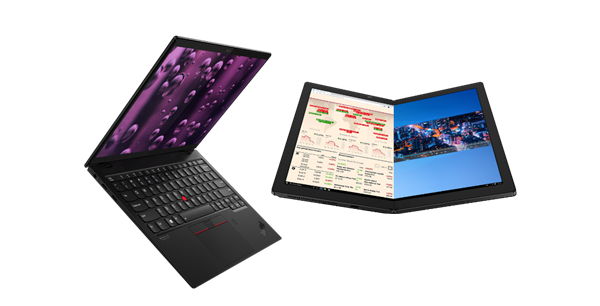
Shipments from nearly all of the major tablet manufacturers are declining as consumers and educators find other things to do with their money.
Distribution data collated by tech analyst Canalys shows 38.59 million units were sent into retail and business channels in calendar Q1, down 3 percent year-on-year, albeit against a tough comparison period when sales in the same period of 2021 went through the roof.
"Despite the shipment decline in Q1, tablet's resurgence remains strong," said Himani Mukka, analyst at the research firm. "The market has now posted eight consecutive quarters of shipment numbers greater than in Q4 2019, before the pandemic."
Apple led the pack, accounting for almost four in every 10 tablets sold in the quarter. It found found a home for 14.88 million units, down 2 percent. Samsung sold 7.86 million tablets, down 1.7 percent. Lenovo and Huawei reported sales-in of 3 million and 1.67 million, down by a fifth and 21.7 percent respectively.
Amazon was the only of the top five to enjoy a shipment bounce, up almost 6 percent to 3.568 million, on the back of some significant discounts on its Fire products.
During the pandemic, the PC became indispensable as people used devices to work, learn, and entertain themselves at home. The PC market swelled to 340 million plus units in 2021, a high not seen since around 2012. However, the buying frenzy is over.
Chromebook sales have slowed in the past three quarters as the US, which accounts for up to four in every five sales worldwide, reached saturation point in education. And with other considerations on their mind, such as rising household bills caused by soaring inflation, consumers are seemingly switching the financial focus elsewhere.
- Smartphone shipments expected to drop again for Q1 2022
- Chip shortage to end this year – at least for us: Xiaomi
- Conflict in Ukraine disrupts fragile supply chain recovery
- Windows 11's tablet-friendly taskbar pulled from Insider builds
More modest tablet sales are evident, although Canalys reckons "increasing commercial deployments are now helping to offset the softening of consumer demand that has followed the large build-up of the tablet installed base over the last two years," said Mukka.
COVID-19 disrupted the supply chain and increased logistics costs. Now the war in Ukraine is compounding the situation, at least in terms of shipping as air freight from China is being diverted away from Russian airspace.
Mukka said: "The market will face greater pressure on supply from the Russia-Ukraine conflict and COVID-related lockdowns in China. Lingering tablet demand from Q4 2021 was expected to extend into Q1 2022, but the supply situation is now likely to push backlogs into the second quarter."
As for Chromebook, shipments plunged 59.7 percent in Q1 to 4.898 million, according to Canalys. They hit a high of nearly 12 million in the same period last year. ®
From Chip War To Cloud War: The Next Frontier In Global Tech Competition
The global chip war, characterized by intense competition among nations and corporations for supremacy in semiconductor ... Read more
The High Stakes Of Tech Regulation: Security Risks And Market Dynamics
The influence of tech giants in the global economy continues to grow, raising crucial questions about how to balance sec... Read more
The Tyranny Of Instagram Interiors: Why It's Time To Break Free From Algorithm-Driven Aesthetics
Instagram has become a dominant force in shaping interior design trends, offering a seemingly endless stream of inspirat... Read more
The Data Crunch In AI: Strategies For Sustainability
Exploring solutions to the imminent exhaustion of internet data for AI training.As the artificial intelligence (AI) indu... Read more
Google Abandons Four-Year Effort To Remove Cookies From Chrome Browser
After four years of dedicated effort, Google has decided to abandon its plan to remove third-party cookies from its Chro... Read more
LinkedIn Embraces AI And Gamification To Drive User Engagement And Revenue
In an effort to tackle slowing revenue growth and enhance user engagement, LinkedIn is turning to artificial intelligenc... Read more