

Subway Rolls Ruled Too Sugary To Be Bread In Ireland
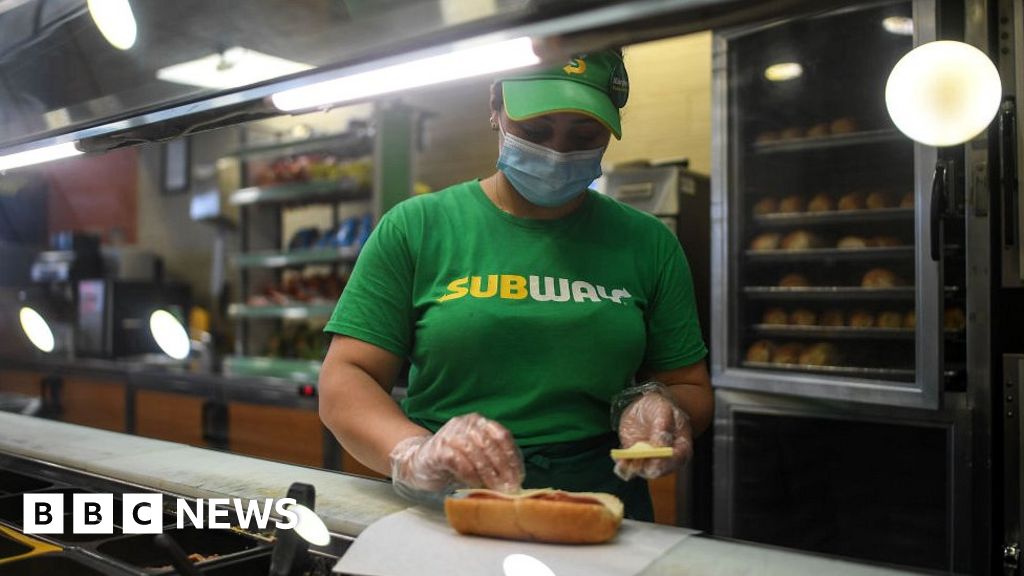
 Image copyright
Getty Images
Image copyright
Getty Images
The rolls used in Subway's hot sandwiches contain too much sugar to be considered bread, according to Ireland's Supreme Court.
Ireland's highest court made the ruling in a case about how the bread is taxed.
An Irish franchisee of the US company had claimed it should not pay VAT on the rolls it uses in heated sandwiches.
But the court ruled that because of the level of sugar in the rolls they cannot be taxed as bread, which is classed as a "staple product" with zero VAT.
Under Ireland's VAT Act of 1972, ingredients in bread such as sugar and fat should not exceed 2% of the weight of flour in the dough.
The five judges, who were considering an appeal by Bookfinders Ltd, a Subway franchisee based near Galway, concluded that in Subway sandwiches the sugar content is around 10% of the flour in the dough for both white and wholegrain rolls.
"Subway's bread is, of course, bread," said a spokesperson for Subway.
"We have been baking fresh bread in our stores for more than three decades and our guests return each day for sandwiches made on bread that smells as good as it tastes."
In Irish law, bread is considered a staple food and has a zero rate of VAT. Following the ruling, the rolls are subject to tax at 13.5%.
The case stems from a decision by Ireland's tax authority in 2006 to refuse Bookfinders' request for a refund on VAT payments made between 2004 and 2005.
After an appeal commissioner upheld the tax authority's refusal of a refund, Bookfinders took its case to the High Court which it lost before going to the Court of Appeal, where it was also unsuccessful.
It is not the first time Subway's bread has been in the spotlight. In 2014, the company announced it was removing azodicarbonamide - the so-called "yoga mat" chemical - from its rolls.
The chemical is used to whiten flour and improve the condition of dough. It is also used to make vinyl foam products such as yoga mats and the underlay for carpets.
Subway stopped using the agent six years ago but the US Food and Drug Administration continues to approve the use of the chemical in produce.
From Chip War To Cloud War: The Next Frontier In Global Tech Competition
The global chip war, characterized by intense competition among nations and corporations for supremacy in semiconductor ... Read more
The High Stakes Of Tech Regulation: Security Risks And Market Dynamics
The influence of tech giants in the global economy continues to grow, raising crucial questions about how to balance sec... Read more
The Tyranny Of Instagram Interiors: Why It's Time To Break Free From Algorithm-Driven Aesthetics
Instagram has become a dominant force in shaping interior design trends, offering a seemingly endless stream of inspirat... Read more
The Data Crunch In AI: Strategies For Sustainability
Exploring solutions to the imminent exhaustion of internet data for AI training.As the artificial intelligence (AI) indu... Read more
Google Abandons Four-Year Effort To Remove Cookies From Chrome Browser
After four years of dedicated effort, Google has decided to abandon its plan to remove third-party cookies from its Chro... Read more
LinkedIn Embraces AI And Gamification To Drive User Engagement And Revenue
In an effort to tackle slowing revenue growth and enhance user engagement, LinkedIn is turning to artificial intelligenc... Read more