

Sri Lanka Plans To Pay Off Iran Oil Debt With Tea
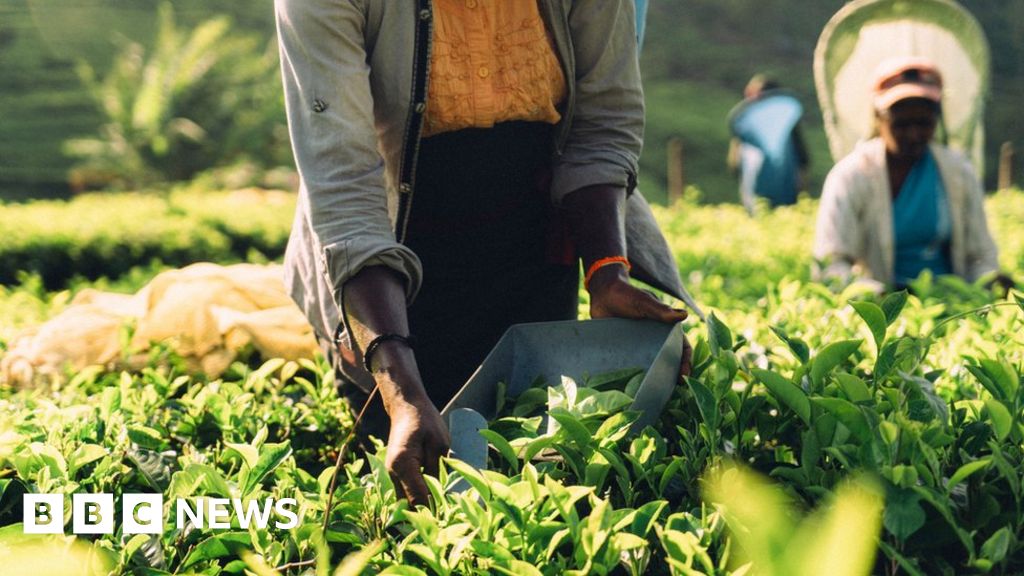
Image source, Getty Images
Sri Lanka plans to settle a debt for past oil imports from Iran by paying it off in tea, a government minister said.
Ramesh Pathirana said his country hoped to send $5m (£3.8m) worth of tea to Iran each month to clear a $251m debt.
Sri Lanka is experiencing a severe debt and foreign exchange crisis, which has been made worse by the loss of tourist income during the coronavirus pandemic.
A member of the country's tea board said it was the first time tea had been bartered to settle foreign debt.
Mr Pathirana said the method of payment would not violate United Nations or American sanctions, because tea was categorised as a food item on humanitarian grounds, and no black-listed Iranian banks would be involved.
"We hope to send $5m worth of tea each month to repay Iran for oil purchases pending since the last four years," he told Reuters
The Plantation Ministry said: "The recommended scheme will save Sri Lanka much-needed foreign currency since the settlement to Iran would be made in Sri Lankan rupees through the sale of Ceylon Tea."
But a spokesperson for the Planters' Association of Ceylon, which includes all the major plantation companies in Sri Lanka, said this mode of transaction was a "[sticking] plaster solution by the government".
"It doesn't necessarily benefit exporters as we will be paid in rupees, circumventing the free market, and provides no real value to us," added Roshan Rajadurai.
Sri Lanka is reported to have to meet about $4.5bn in debt repayments next year, starting with a $500m international sovereign bond repayment in January.
However, the country's foreign reserves dwindled to $1.6bn at the end of November, latest data from the central bank showed.
Central Bank Governor Ajith Nivard Cabraal said earlier this month that Sri Lanka is confident of being able to "seamlessly" repay all sovereign debt that comes due in 2022.
Sri Lanka produces about 340m kg of tea annually. Last year it exported 265.5 million kg, with earnings of $1.24bn in 2020.
Almost 5% of the population of Sri Lanka work in the billion-dollar industry, picking leaves on the mountain slopes and processing the tea in plantation factories.
From Chip War To Cloud War: The Next Frontier In Global Tech Competition
The global chip war, characterized by intense competition among nations and corporations for supremacy in semiconductor ... Read more
The High Stakes Of Tech Regulation: Security Risks And Market Dynamics
The influence of tech giants in the global economy continues to grow, raising crucial questions about how to balance sec... Read more
The Tyranny Of Instagram Interiors: Why It's Time To Break Free From Algorithm-Driven Aesthetics
Instagram has become a dominant force in shaping interior design trends, offering a seemingly endless stream of inspirat... Read more
The Data Crunch In AI: Strategies For Sustainability
Exploring solutions to the imminent exhaustion of internet data for AI training.As the artificial intelligence (AI) indu... Read more
Google Abandons Four-Year Effort To Remove Cookies From Chrome Browser
After four years of dedicated effort, Google has decided to abandon its plan to remove third-party cookies from its Chro... Read more
LinkedIn Embraces AI And Gamification To Drive User Engagement And Revenue
In an effort to tackle slowing revenue growth and enhance user engagement, LinkedIn is turning to artificial intelligenc... Read more