

South Korea To Offer Tax Breaks To Hedge Semiconductor Woes
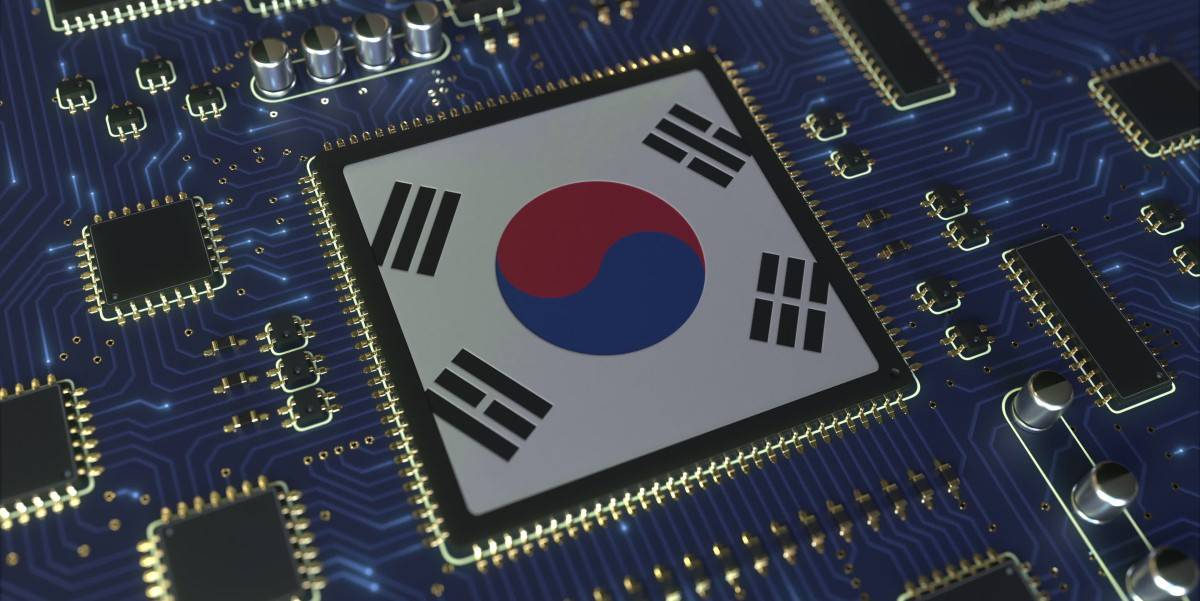
South Korea is prepared to offer big tax breaks to semiconductor manufacturers and other technology companies in a bid to boost its cutting-edge industries and the broader economy.
According to reports, the plans follow complaints from South Korean president Yoon Suk Yeol that the nation's tax incentives were not enough in light of the generous subsidies being offered to chipmakers by other countries such as the US and Taiwan.
In response, the tax code revisions proposed by the Ministry of Economy and Finance will see large corporations offered tax credits of up to 15 percent for making investments into strategic technologies such as semiconductor manufacturing, according to The Korea Herald.
For smaller and medium-sized enterprises, the tax credit rate is set to be raised from 16 percent to 25 percent, while any additional investment in semiconductors this year will qualify for an extra 10 percent tax break, pushing the potential tax benefits to 35 percent for SMEs and 25 percent for larger companies.
In a statement sent to news agencies, the Ministry indicated that the tax plans, set to be proposed this month, could see technology companies in South Korea save upwards of ₩3.6 trillion ($2.8 billion) in total tax payments for 2024.
The Finance Ministry is understood to have initially opposed any tax reductions greater than 8 percent because of concerns over the amount of tax revenue this could lose.
However, according to The Korea Herald, Finance Minister Choo Kyung-ho said during a press briefing that semiconductors are a "backbone industry" and "strategic asset" that is directly related to the country's future competitiveness, national security, and survival.
One potential reason for the official concern in South Korea could be recent reports indicating that the country's semiconductor production dropped significantly in November as global demand for chips continues to be affected by the worsening economic outlook.
In fact, chip output was down for a fourth consecutive month in November, falling 15 per cent when compared with figures from a year earlier, the largest such drop since the fallout from the global financial crisis in 2009, the Financial Times reported last week.
- Nexperia calls in the lawyers to save Welsh chip fab deal
- TSMC ramps up 3nm chip baking at Taiwan plants
- Intel settles to escape $4b patent suit with VLSI
- Risk-averse Kyocera gambles nearly $10b of own shares on semiconductor growth
The fall is being partly blamed on an increase in inventories in the supply chain over the past quarter or so thanks to the previous shortage of semiconductor components turning into an oversupply as economic conditions stifled demand, especially for the memory chips for which Korea is one of the major producers thanks to Samsung Electronics and SK hynix.
However, semiconductor manufacturers still need to invest in capacity and enabling production nodes in order to be ready for the next uptick in demand, which is expected to start sometime in 2024, according to some experts.
SEMI, the industry association for the electronics manufacturing and supply chain, predicted in September that investment in chip manufacturing would hit a new high of $99 billion by the end of 2022 and continue to grow during 2023.
Meanwhile, a former Samsung executive turned lawmaker has warned that South Korea is now caught up in the chip wars between China and the US, adding more uncertainty to the future of the industry.
Yang Hyang-ja, who now leads efforts to boost Korea's semiconductor industry, said that unless the government stepped up its domestic incentives, the country's chipmakers might be tempted by US subsidies to move production facilities to America and take their best engineers with them, according to the South China Morning Post.
The move shows that governments are in danger of engaging in a subsidy race to attract chipmakers to their territory. Last year, a meeting of the EU-US Trade and Technology Council (TTC) sought to build a coordinated approach between the two in order to avoid such a situation. ®
From Chip War To Cloud War: The Next Frontier In Global Tech Competition
The global chip war, characterized by intense competition among nations and corporations for supremacy in semiconductor ... Read more
The High Stakes Of Tech Regulation: Security Risks And Market Dynamics
The influence of tech giants in the global economy continues to grow, raising crucial questions about how to balance sec... Read more
The Tyranny Of Instagram Interiors: Why It's Time To Break Free From Algorithm-Driven Aesthetics
Instagram has become a dominant force in shaping interior design trends, offering a seemingly endless stream of inspirat... Read more
The Data Crunch In AI: Strategies For Sustainability
Exploring solutions to the imminent exhaustion of internet data for AI training.As the artificial intelligence (AI) indu... Read more
Google Abandons Four-Year Effort To Remove Cookies From Chrome Browser
After four years of dedicated effort, Google has decided to abandon its plan to remove third-party cookies from its Chro... Read more
LinkedIn Embraces AI And Gamification To Drive User Engagement And Revenue
In an effort to tackle slowing revenue growth and enhance user engagement, LinkedIn is turning to artificial intelligenc... Read more