

South Korea To Build Mini-fabs As Part Of $25B Plan To Prop Up Tariff-targeted Industries
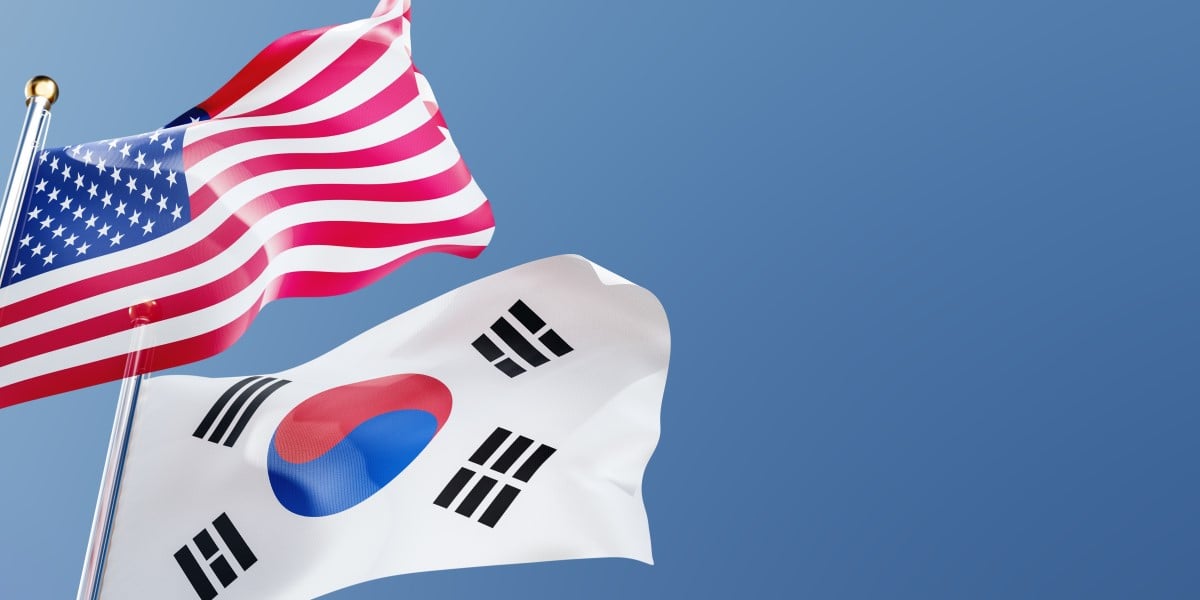
South Korea has decided to dish out over $25 billion in help to industries impacted by the USA’s new tariff regime.
The spending plan was announced yesterday by the nation’s Ministry of Economy and Finance after deputy Prime Minister and Minister of Economy and Finance Choi Sang-mok chaired meetings on Economic Affairs and another on Strengthening Industrial Competitiveness.
Planned tariff-softening spend includes:
- $17.5 billion to support companies facing tariff-related damages or export crises
- $7 billion more in subsidies for the semiconductor industry, taking total support to $23 billion
- $2.1 billion in low interest loans for semiconductor companies
The country has also to advance efforts to create a “K-semiconductor technology innovation platform”, an outfit based on the Interuniversity Microelectronics Centre founded in Belgium to provide a hub for electronics research.
South Korea’s innovation effort will see it establish training and research programs for early-career postdoctoral and doctoral and try to attract foreign talent.
The plan also calls for construction of “mini-fabs, which closely resemble actual mass production environments.” Fabless chip companies will be lured with demo equipment that lets them speed work on their designs.
- Team Trump readies national security card to justify taxing Americans for foreign chips
- Trump's tariff turmoil leaves IT projects in deep freeze
- Tech tariff turmoil continues as Trump admin exempts some electronics, then promises to bring taxes back
- Infosec experts fear China could retaliate against tariffs with a Typhoon attack
The USA’s new “reciprocal tariff” regime means South Korean goods exported to the USA will incur a 25 percent tariff – if the Trump administration’s fast-changing policy remains in force at the end of a 90-day pause due to expire in early July. The US has also slapped a blanket ten percent tariff on most imports.
South Korean exports to the USA topped $130 billion last year, with cars and semiconductors accounting for the lion’s share. Exports rose in early 2025, as buyers tried to snap up semiconductors and smartphones before the US introduced tariffs.
Another South Korean response to the current trade war commenced yesterday, in the form of a scheme to promote recycling of the rare earths and other materials needed by the nation’s semiconductor and battery industries. China is home to the most abundant resources of such substances and leads the world in refining and production capacity. The Middle Kingdom has banned sales to the USA. South Korea clearly believes current events mean it needs to secure a supply.
Minister Sang-mok will meet US Treasury Secretary Scott Bessent next week to talk tariffs. So maybe some of the stuff above won't be necessary by this time next week. Or maybe South Korea will need to spend more. ®
From Chip War To Cloud War: The Next Frontier In Global Tech Competition
The global chip war, characterized by intense competition among nations and corporations for supremacy in semiconductor ... Read more
The High Stakes Of Tech Regulation: Security Risks And Market Dynamics
The influence of tech giants in the global economy continues to grow, raising crucial questions about how to balance sec... Read more
The Tyranny Of Instagram Interiors: Why It's Time To Break Free From Algorithm-Driven Aesthetics
Instagram has become a dominant force in shaping interior design trends, offering a seemingly endless stream of inspirat... Read more
The Data Crunch In AI: Strategies For Sustainability
Exploring solutions to the imminent exhaustion of internet data for AI training.As the artificial intelligence (AI) indu... Read more
Google Abandons Four-Year Effort To Remove Cookies From Chrome Browser
After four years of dedicated effort, Google has decided to abandon its plan to remove third-party cookies from its Chro... Read more
LinkedIn Embraces AI And Gamification To Drive User Engagement And Revenue
In an effort to tackle slowing revenue growth and enhance user engagement, LinkedIn is turning to artificial intelligenc... Read more