

South Korea Surfs Silicon Shortage To Record Tech Exports
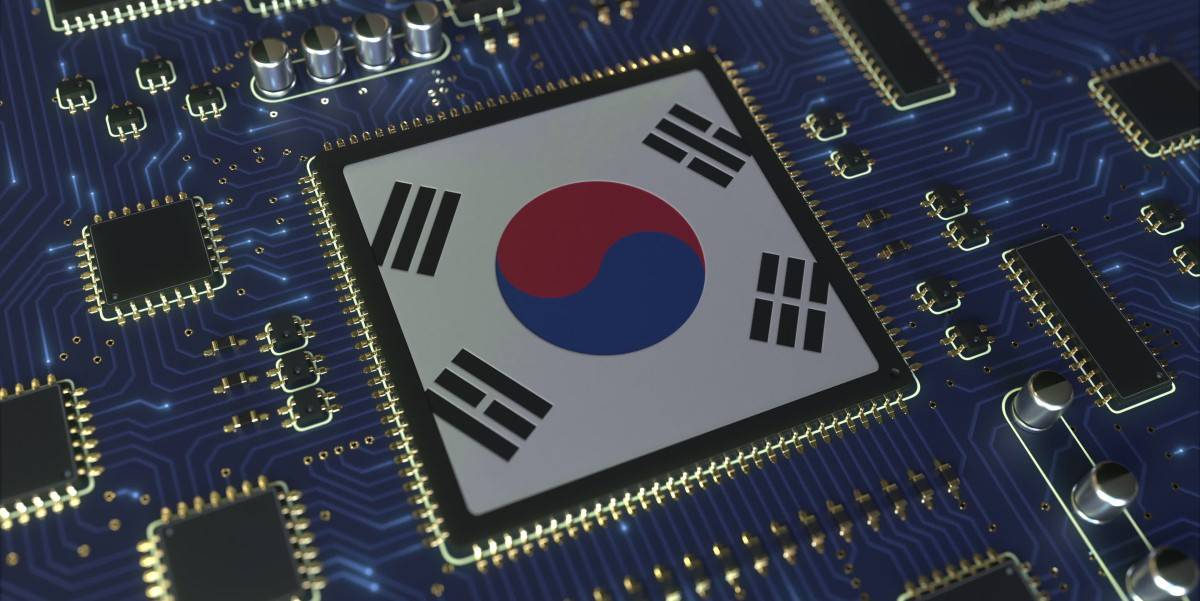
Exports of South Korean ICT products reached an all-time high in August, thanks to global demand for silicon chips, reported the country's Ministry of Science and ICT on Tuesday.
Outbound ICT shipments rose 33.2 per cent year-on-year to US$20.27 billion, breaking the previous record of US$20.17 billion. The figures mark the first time ICT exports have risen above US$20 billion in nearly three years. With corresponding imports at US$11.38 billion, up 23.7 per cent year-on-year, this equates to an overall US$8.89 billion silicon surplus.
Behind the growth is the stellar performance of the country's semiconductor industry. Chip sales increased a whopping 42.2 per cent and brought in US$11.8 billion.
Within the semiconductor segment, memory chips increased the most (51.2 per cent) to US$7.67 billion, reflecting demand for mobile devices and computers, and logic chips pulled their weight with a 31.2 per cent increase to US$3.56 billion.
As the world is currently experiencing pandemic-enhanced global chip shortage, predicted by some to continue another one to two years, it is no surprise that buyers the world over will slurp up any chips manufacturers can provide.
- South Korea reports export boom in silicon, wireless comms, and instant noodles
- Facebook used facial recognition without consent 200,000 times, says South Korea's data watchdog
- South Korea to test grenade-launching drones
And within South Korea, Samsung has been providing. The chaebol overtook Intel to become the world's largest semiconductor supplier in terms of sales in Q2 2021.
Memory shipments, in particular, exceeded expectations, accompanied by a price increase that added to profits.
SK hynix, Korea's other major chip manufacturer, hasn't done badly either. The memory maker boasted Q2 2021 as its best sales quarter since prior to the pandemic. It is also on track to complete a US$9 billion acquisition of Intel's NAND and SSD business, which will likely make it the world's second-biggest supplier of flash memory after Samsung.
Beyond semiconductors, Korean display exports rose 22.4 per cent, largely attributable to a 47.3 per cent increase in organic light-emitting diode (OLED) exports, computer peripherals rose 29.8 per cent and smartphones (both finished and piece parts) rose 67.7 per cent. ®
From Chip War To Cloud War: The Next Frontier In Global Tech Competition
The global chip war, characterized by intense competition among nations and corporations for supremacy in semiconductor ... Read more
The High Stakes Of Tech Regulation: Security Risks And Market Dynamics
The influence of tech giants in the global economy continues to grow, raising crucial questions about how to balance sec... Read more
The Tyranny Of Instagram Interiors: Why It's Time To Break Free From Algorithm-Driven Aesthetics
Instagram has become a dominant force in shaping interior design trends, offering a seemingly endless stream of inspirat... Read more
The Data Crunch In AI: Strategies For Sustainability
Exploring solutions to the imminent exhaustion of internet data for AI training.As the artificial intelligence (AI) indu... Read more
Google Abandons Four-Year Effort To Remove Cookies From Chrome Browser
After four years of dedicated effort, Google has decided to abandon its plan to remove third-party cookies from its Chro... Read more
LinkedIn Embraces AI And Gamification To Drive User Engagement And Revenue
In an effort to tackle slowing revenue growth and enhance user engagement, LinkedIn is turning to artificial intelligenc... Read more