

Some American Techies Can Still Work For Chinese Chipmakers, Turns Out
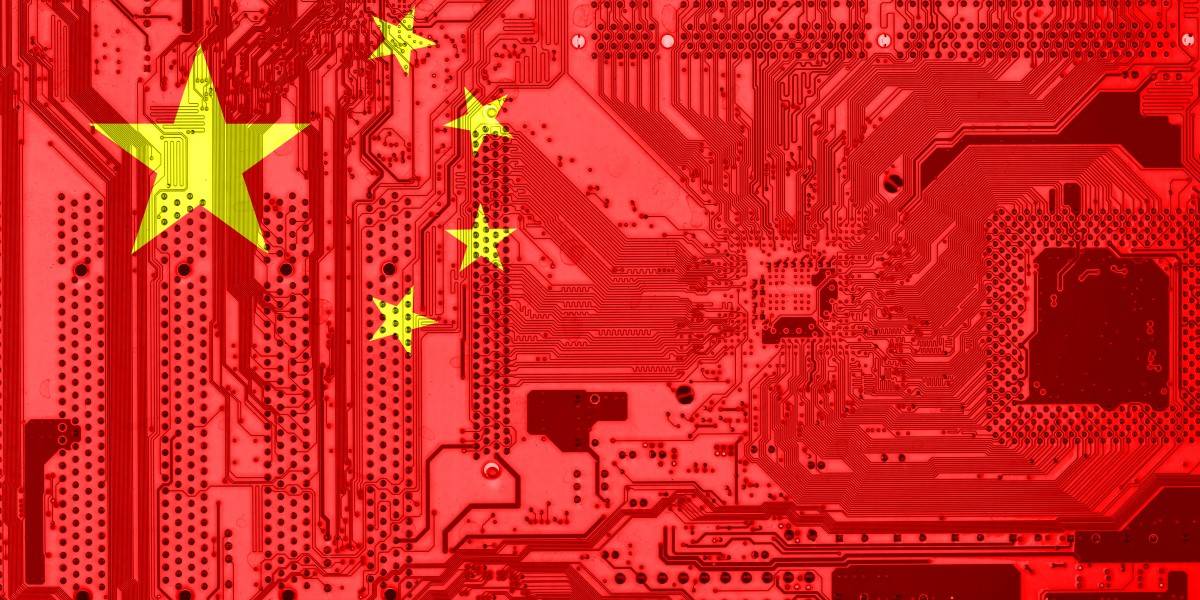
Remember that warning that the USA's new restrictions on semiconductor technology transfer to China would prevent any American from working in the Middle Kingdom's chip-making industry?
Turns out, the rules issued by the White House won't impact as many US persons working for Chinese semiconductor firms as first thought, according to a document [PDF] posted last Friday by the US Department of Commerce's Bureau of Industry and Security.
Rather than preventing all American workers from plying their trade across China's semiconductor industry, the restrictions mean the US will any American who authorizes or conducts the delivery of equipment used to make advanced semiconductors for chip manufacturing plants in China to seek a licence. A license is also required for Americans who service such kit in Middle Kingdom fabs.
The Bureau of Industry and Security stated that the rules do not apply to American workers performing administrative or clerical duties. Americans, in this case, are defined as those who carry either a US passport or a visa that allows them to reside stateside.
- Kioxia warns of potential cost of US chip policy over China
- The great semiconductor drought may be about to break
- Chip fab locations more important than oil well placement, says Gelsinger
- SK hynix, Samsung, TSMC granted one-year reprieve from China chip restrictions
The types of advanced semiconductors impacted include logic integrated circuits produced on a node with 16 or fewer nanometers; NAND memory with 128 or more layers; and DRAM produced on a node of 18nm half-pitch or less.
When the US government announced the rules in early October, former Department of Transportation official Steven Okun said the restrictions would force US nationals to resign from Chinese companies in the broader semiconductor industry – including firms that make AI chips and chip-making equipment:
This now seems to not be the case.
But while the rules don't appear as broad as first outlined, the US is looking to hamper the Chinese semiconductor industry in other ways – through expanded export restrictions and, as we pointed out today, greater cooperation with American allies. ®
From Chip War To Cloud War: The Next Frontier In Global Tech Competition
The global chip war, characterized by intense competition among nations and corporations for supremacy in semiconductor ... Read more
The High Stakes Of Tech Regulation: Security Risks And Market Dynamics
The influence of tech giants in the global economy continues to grow, raising crucial questions about how to balance sec... Read more
The Tyranny Of Instagram Interiors: Why It's Time To Break Free From Algorithm-Driven Aesthetics
Instagram has become a dominant force in shaping interior design trends, offering a seemingly endless stream of inspirat... Read more
The Data Crunch In AI: Strategies For Sustainability
Exploring solutions to the imminent exhaustion of internet data for AI training.As the artificial intelligence (AI) indu... Read more
Google Abandons Four-Year Effort To Remove Cookies From Chrome Browser
After four years of dedicated effort, Google has decided to abandon its plan to remove third-party cookies from its Chro... Read more
LinkedIn Embraces AI And Gamification To Drive User Engagement And Revenue
In an effort to tackle slowing revenue growth and enhance user engagement, LinkedIn is turning to artificial intelligenc... Read more