

Sergey Brin Promises Next Generation Of Glassholes Will Be Much Less Conspicuous
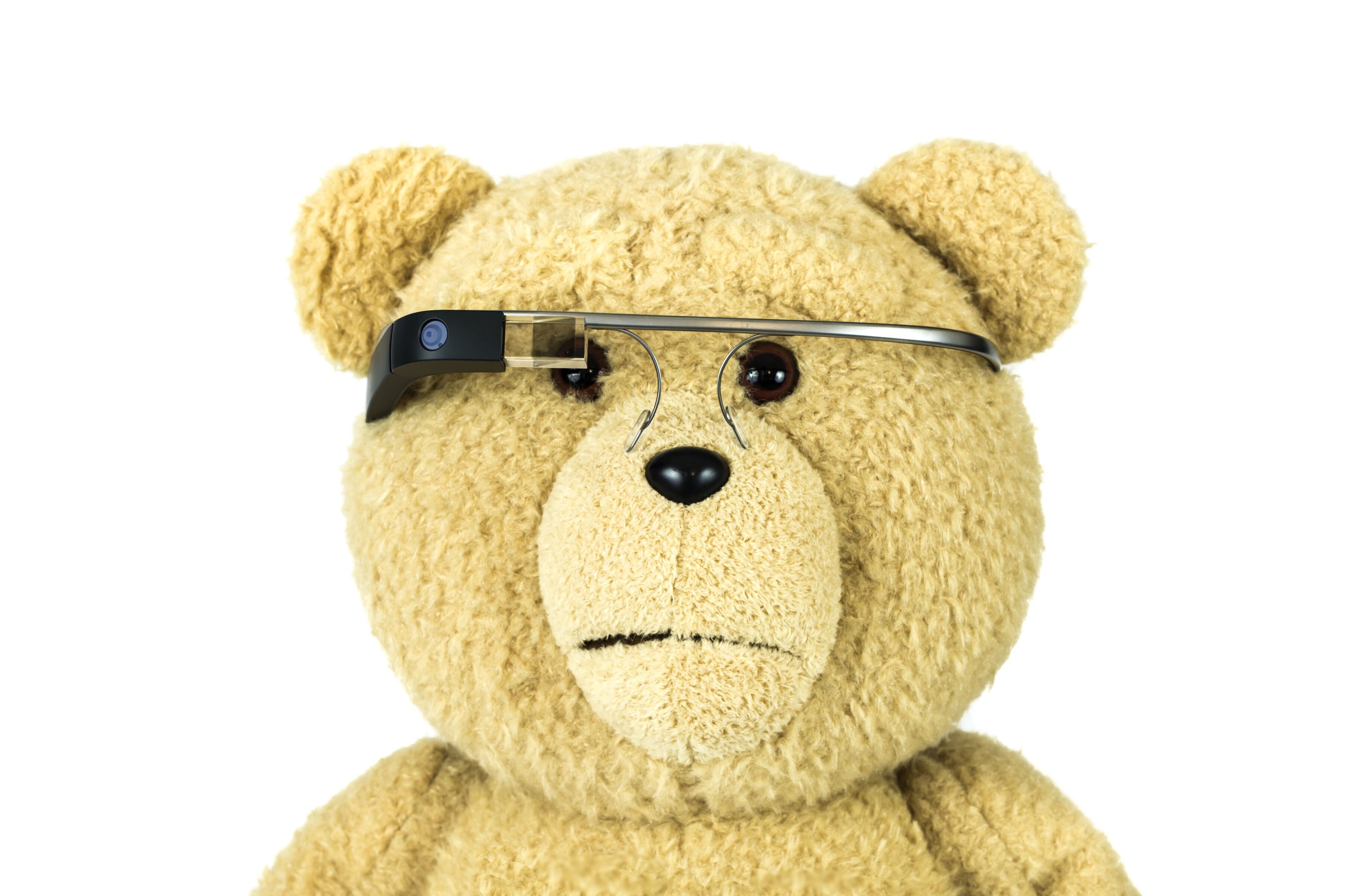
Google I/O Google and eyeglass maker Warby Parker have partnered to create a more stylish successor to Google Glass, which cofounder Sergey Brin quipped will actually be polished before launch this time.
Brin dropped in on a fireside chat between journalist Alex Kantrowitz and Google DeepMind CEO Demis Hassabis at Google I/O on Tuesday, where the conversation shifted to the newly announced partnership with Warby Parker.
The deal could see Google invest up to $150 million: $75 million for product development and commercialization, plus another $75 million in potential equity investment, if the eyeglass outfit opts in and hits its milestones. The duo aims to build wearables that compete with Meta's chunky Ray-Bans.
The Chocolate Factory chose Warby Parker for their "optical expertise" and "omnichannel approach," Google XR GM and VP Shahram Izadi said in a statement in the press release.
There's some irony in the move. The search behemoth was the first big tech name to invest in wearable computing, unveiling Google Glass in 2012 and rolling out early units to developers in 2013. Glass wasn't exactly glasses, but a small so-called "prism" perched above the right eye that projected data into the user's peripheral vision. But the project unraveled after the device's built-in video recording feature caused a low-scale privacy freakout.
Detractors coined the name "Glassholes" for the early testers who wore the product in public. One Glass wearer said she got attacked in a San Francisco bar, and a journalist had his pair ripped off his face and destroyed in public. This early bad publicity, alongside a high price and limited functionality, eventually doomed the project.
I made a lot of mistakes with Google Glass, I'll be honest
On Tuesday, the Google cofounder was self-effacing when asked about the failed project, admitting that he still believed in glasses as a form factor but admitting mistakes were made in rolling them out.
"I made a lot of mistakes with Google Glass, I'll be honest," Brin said.
Part of the reason for that failure, he said, was Brin's own naivete about the logistics of making a consumer-friendly product.
"I just didn't know anything about consumer electronic supply chains," Brin admitted. He added that his ignorance meant it was nearly impossible to give the $1,500 headset a reasonable price point. Wearers looking like jackasses and being dubbed "glassholes" probably didn't help either.
- Final update doled out to those who let Google sit on their face: Glass Explorer Edition cut off from the mothership
- Google stops selling its biz-grade augmented reality specs
- New Orleans attacker used Meta smart glasses to plan New Year's Day massacre
- Google Glass teardown puts rock-bottom price on hardware
Optics aside, Brin also said that a technology gap between the Google Glass dream and the technological realities of 2013 also contributed to its failure. That gap has now been bridged with the introduction of multimodal AI and the ability to build a device that looks like glasses "without constantly distracting you," said Brin.
The new Warby Parker smart specs will run on Android XR, Google's platform for extended reality devices, and integrate with its so-called "universal assistant," built on Gemini and Project Astra, and pitched as smart enough to understand context across devices.
"Universal assistant is the killer app for smart glasses," Hassabis said.
Some actual product testing is likely to help, too.
"I miss the airship with the wingsuit skydivers with the demo," Brin said of the 2012 Google Glass unveiling video and the decidedly less flashy Warby Parker announcement.
"But we should probably polish the product first this time, make sure it's ready and available and then do a really cool demo," Brin said. "That's probably a smart move."
So get ready for a new generation of considerably more inconspicuous Glassholes to show up on city streets - eventually. For now, we'll just have to settle for Mark Zuckerberg's obnoxiously ever-present Ray-Bans as the sign that a pair of AI-powered, camera-touting glasses are watching our every public move. ®
From Chip War To Cloud War: The Next Frontier In Global Tech Competition
The global chip war, characterized by intense competition among nations and corporations for supremacy in semiconductor ... Read more
The High Stakes Of Tech Regulation: Security Risks And Market Dynamics
The influence of tech giants in the global economy continues to grow, raising crucial questions about how to balance sec... Read more
The Tyranny Of Instagram Interiors: Why It's Time To Break Free From Algorithm-Driven Aesthetics
Instagram has become a dominant force in shaping interior design trends, offering a seemingly endless stream of inspirat... Read more
The Data Crunch In AI: Strategies For Sustainability
Exploring solutions to the imminent exhaustion of internet data for AI training.As the artificial intelligence (AI) indu... Read more
Google Abandons Four-Year Effort To Remove Cookies From Chrome Browser
After four years of dedicated effort, Google has decided to abandon its plan to remove third-party cookies from its Chro... Read more
LinkedIn Embraces AI And Gamification To Drive User Engagement And Revenue
In an effort to tackle slowing revenue growth and enhance user engagement, LinkedIn is turning to artificial intelligenc... Read more