

Senate Decides Free Rein For AI Companies Isn't Such A Good Thing
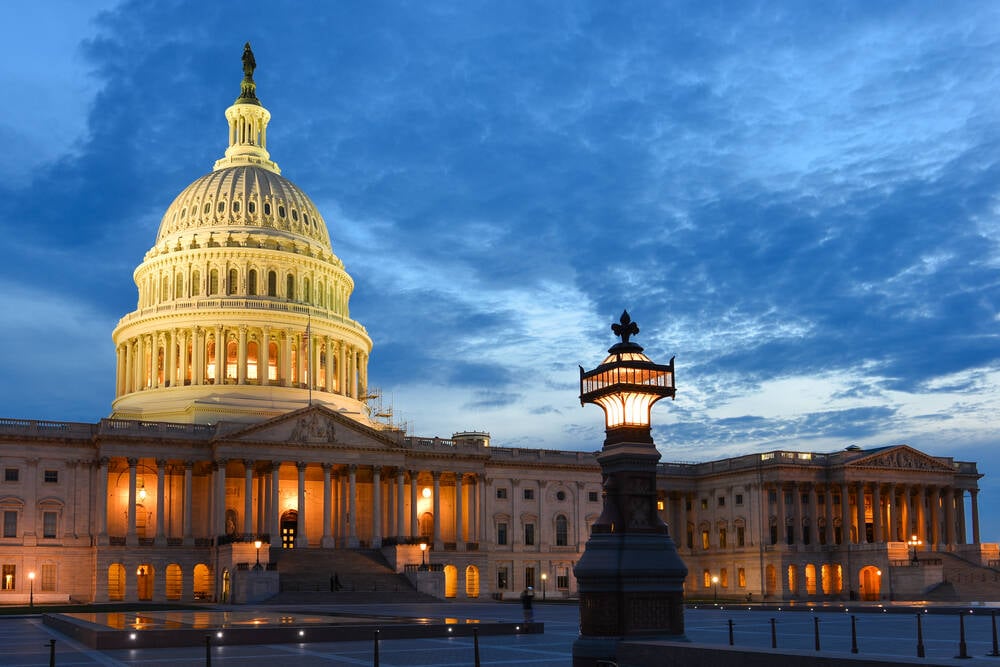
It took a tie-breaking vote from the Vice President JD Vance to pass Trump's budget reconciliation bill through the Senate on Tuesday, but a controversial section that would have barred states from regulating AI was struck down in a much clearer fashion.
Lawmakers were definitive in their vote, with 99 voting to strip the state AI amendment and just a single Senator - Thom Tillis (R-NC) - voting to keep the moratorium in place. Even Ted Cruz (R-TX), who had wrangled last-minute concessions out of Marsha Blackburn (R-TN) that would have seen her support the state restriction, abandoned his position when Blackburn backed out.
The rule was part of the House-passed version of Trump's "One Big Beautiful Bill" budget reconciliation act, and would have prevented US states from making any state-level laws governing AI systems, with a few exceptions. The moratorium was originally designed to last for a decade.
Blackburn, whose home state of Tennessee is the hub of the US country music world, has faced pressure from Nashville to allow states to regulate AI, which creatives view as a threat to their livelihood. She struck a deal with Cruz over the weekend to support the state-level AI moratorium, but only if it was shortened to five years, and with exceptions for child safety and privacy rules.
Their agreement had evaporated by Monday, with Blackburn reportedly abandoning the compromise and demanding a formal roll call vote on the proposal, forcing each Senator to go on record supporting or opposing the state-level AI ban - a political event so dangerous even Ted Cruz wouldn't hop a jet to avoid the consequences.
- Doing business in US? Don't wait for state ruling on AI to act, warns former Senate chief of staff
- As AI gallops through the federal workforce, lawmakers once again call for expanded training
- AI firms and civil society groups plead for passage of federal AI law ASAP
- Prepare for an AI policy upending under Trump, say experts
With that matter struck from the bill with such a definitive vote, it's unlikely it'll show back up in the final bill - but it still could.
Now that the Senate has passed its 940-page version of the bill, the matter goes back to the House for another round of voting. Both chambers will need to agree on a final version of the bill and pass that one along to President Trump to sign into law.
Trump wants this all to happen by Friday so he can sign the bill before Congress goes on recess for the July 4th holiday, giving the House precious little time to wrangle over this one point.
So the US will likely continue to have some degree of AI regulation, albeit fractured across 50 states. That's better than the federal government's current record of no comprehensive AI legislation. ®
From Chip War To Cloud War: The Next Frontier In Global Tech Competition
The global chip war, characterized by intense competition among nations and corporations for supremacy in semiconductor ... Read more
The High Stakes Of Tech Regulation: Security Risks And Market Dynamics
The influence of tech giants in the global economy continues to grow, raising crucial questions about how to balance sec... Read more
The Tyranny Of Instagram Interiors: Why It's Time To Break Free From Algorithm-Driven Aesthetics
Instagram has become a dominant force in shaping interior design trends, offering a seemingly endless stream of inspirat... Read more
The Data Crunch In AI: Strategies For Sustainability
Exploring solutions to the imminent exhaustion of internet data for AI training.As the artificial intelligence (AI) indu... Read more
Google Abandons Four-Year Effort To Remove Cookies From Chrome Browser
After four years of dedicated effort, Google has decided to abandon its plan to remove third-party cookies from its Chro... Read more
LinkedIn Embraces AI And Gamification To Drive User Engagement And Revenue
In an effort to tackle slowing revenue growth and enhance user engagement, LinkedIn is turning to artificial intelligenc... Read more