

Semiconductor Market To Be Hit By Fresh Wave Of Rising Component Costs
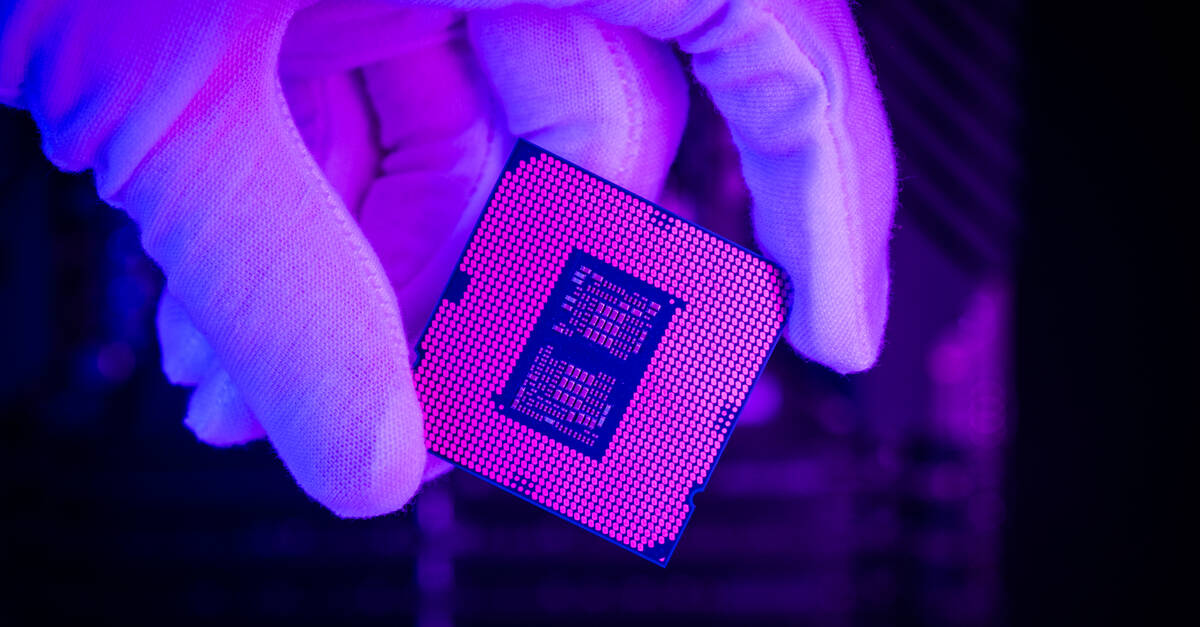
More red flags about the semiconductor market are being raised with the news that a key supplier to chipmakers such as TSMC is planning to hike prices, which will likely have a knock-on effect on chip prices.
Japan-based chemicals company Showa Denko has warned it expects to raise prices and may have to cut back some of its unprofitable product lines. The company is a major supplier of chemicals and gases that are used in the semiconductor manufacturing industry for the creation of silicon wafers and in the etching process to create chips.
In an interview with Bloomberg, Showa Denko chief financial officer Hideki Somemiya said the company had already raised prices at least a dozen times this year, citing issues such as COVID-19 lockdowns, increasing energy costs and other factors. However, he confirmed "the current market moves require us to ask twice the amount we had previously calculated."
Because the chemicals and gases supplied by Showa Denko and others are vital for the manufacturing processes used for semiconductors, any significant rise in their costs is liable to be passed on to customers of TSMC and other chip fabrication plants.
This will likely lead to further troubles for the semiconductor market, which now appears to be facing a downturn following a year of bumper revenues in 2021 as demand outstripped supply.
- Semiconductor boom could be coming to an end – analysts
- 'Sharp' chip inventory correction looms on horizon, warns investment banker
- ASML CEO: Industrial conglomerate buying washing machines to rip out semiconductors
- Intel's CEO shouldn't be surprised America can't get CHIPS Act together
Last month, research company Omdia warned that the semiconductor market appears to be flattening out, and said its figures indicated that it reached a plateau in the first quarter of 2022 following five straight quarters of record revenues and continual growth in demand.
Before that, analyst IDC said it anticipated that issues with the supply of back-end materials needed to manufacture chips would cause shortages to extend through until early 2023, although it still predicted a good year for chipmaker revenues.
Analysts at financial services outfit Jefferies Group also warned that the semiconductor industry is facing an inventory correction in the second half of this year or early 2023, thanks to steep inflation, signs of end-user demand slowing in areas including PCs, and companies stockpiling components to offset what has been a fluctuating supply situation.
Meanwhile, memory chipmaker Micron also cast a cautious note in its most recent quarterly results announcement. The company reported its highest ever revenues, but warned investors that it was forecasting a 13 percent drop for the next quarter as PC and smartphone memory demand is falling.
This kind of boom and bust cycle where manufacturers ramp up production in response to a peak in demand, leading to an oversupply situation where prices fall, is not unknown in the semiconductor market, especially in memory chips.
Earlier this year, Gartner vice president for semiconductors and electronics Richard Gordon warned of exactly this, saying that we had seen a peak in the market that would likely be followed by a correction.
"We've just seen a classic peak in the semiconductor market – chip shortages, prices rises, inventory build-up, all of which led to a very high growth year and record revenues in 2021. But, this is a cyclical market. The shortage situation is easing; I think we are past the peak in the cycle," he told The Register at the time.
Gordon commented that the economic signs were not good, with consumer income being squeezed by the rising cost of living and increased taxation, which would lead to a fall in spending on items like personal devices.
"The bottom line is that the industry is heading in to a down cycle, probably starting in 2H22 but certainly affecting 2023 and 2024 – this means that the industry will move from undersupply to oversupply, which will put downward pressure on semiconductor pricing and result in a slowdown in revenue growth. The next up-cycle will begin in 2025 / 2026," he predicted. ®
From Chip War To Cloud War: The Next Frontier In Global Tech Competition
The global chip war, characterized by intense competition among nations and corporations for supremacy in semiconductor ... Read more
The High Stakes Of Tech Regulation: Security Risks And Market Dynamics
The influence of tech giants in the global economy continues to grow, raising crucial questions about how to balance sec... Read more
The Tyranny Of Instagram Interiors: Why It's Time To Break Free From Algorithm-Driven Aesthetics
Instagram has become a dominant force in shaping interior design trends, offering a seemingly endless stream of inspirat... Read more
The Data Crunch In AI: Strategies For Sustainability
Exploring solutions to the imminent exhaustion of internet data for AI training.As the artificial intelligence (AI) indu... Read more
Google Abandons Four-Year Effort To Remove Cookies From Chrome Browser
After four years of dedicated effort, Google has decided to abandon its plan to remove third-party cookies from its Chro... Read more
LinkedIn Embraces AI And Gamification To Drive User Engagement And Revenue
In an effort to tackle slowing revenue growth and enhance user engagement, LinkedIn is turning to artificial intelligenc... Read more