

Samsung Trumps USA's Tariffs By Making Displays In Mexico, And Elsewhere If Needed
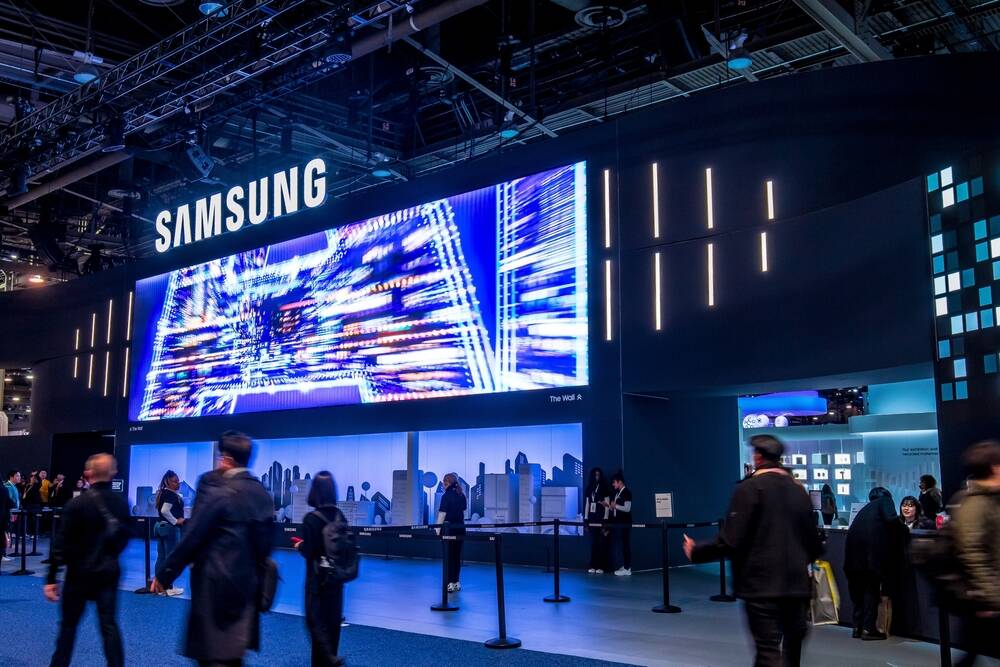
World War Fee Samsung Electronics doesn’t fear the impact of the USA’s new tariffs regime on its displays business because it makes many of them in Mexico, according to Yong Seok-woo, president and head the company’s visual display business,
Speaking in Seoul yesterday to launch a range of new AI-infused televisions, Yong told Korean media that most of the televisions, monitors and soundbars it sells into the USA are made in Mexico, which wasn’t whacked with the 25 percent “reciprocal tax” imposed on South Korea last week. The exec reportedly described the impact of reciprocal taxes as “slim”, added Samsung is monitoring the situation and mentioned the fact the company manufactures in ten nations as meaning it has more ways to work around tariffs.
Samsung investors got more good news today as the company delivered guidance for its Q1 2025 results and predicted sales of ₩79 trillion (US$53.75 billion), a ten percent surge. Profits, which had been expected to fall by perhaps 20 percent, were down just 0.15 percent down year-over-year to ₩6.46 trillion ($4.5 billion).
Samsung doesn’t detail how it earned the revenue it discusses in its pre-results guidance, but we do know the company has recently reported disappointing numbers as it tried to ramp manufacturing of high-bandwidth memory to cash in on the AI boom. Maybe the Korean giant has improved that aspect of its business, or perhaps buyers decided to buy a new Galaxy S25 smartphone after its January debut.
- Rollable laptop displays to roll off the production line from April, says Samsung
- After missing the AI boom – badly – Samsung shuffles the C-Suite
- OK, Google: Are you killing Assistant and replacing it with Gemini?
- US Commerce Dept coughs up $6.1B Christmas present for Micron
The S25 on Monday gained a new “real time AI” feature that allows users to point the handset’s camera at anything and then ask Google’s Gemini assistant for guidance.
Samsung used the example of a user photographing clothes and asking: “Which shoes will go with it?”
The televisions announced yesterday also added AI that can do things including monitoring a home to detect unexpected movement when the resident is out, then issuing alerts. The televisions can also interact with Samsung appliances to “suggest optimal usage solutions”. Whatever that is.
Running AI in the televisions is made possible by the machines using Samsung’s Tizen operating system. That OS also has another function: Helping Samsung to fight back against cheap Chinese televisions by upscaling video so its appearance on mid-range LED panels rivals the experience of watching pricier tellies from Middle Kingdom manufacturers. ®
From Chip War To Cloud War: The Next Frontier In Global Tech Competition
The global chip war, characterized by intense competition among nations and corporations for supremacy in semiconductor ... Read more
The High Stakes Of Tech Regulation: Security Risks And Market Dynamics
The influence of tech giants in the global economy continues to grow, raising crucial questions about how to balance sec... Read more
The Tyranny Of Instagram Interiors: Why It's Time To Break Free From Algorithm-Driven Aesthetics
Instagram has become a dominant force in shaping interior design trends, offering a seemingly endless stream of inspirat... Read more
The Data Crunch In AI: Strategies For Sustainability
Exploring solutions to the imminent exhaustion of internet data for AI training.As the artificial intelligence (AI) indu... Read more
Google Abandons Four-Year Effort To Remove Cookies From Chrome Browser
After four years of dedicated effort, Google has decided to abandon its plan to remove third-party cookies from its Chro... Read more
LinkedIn Embraces AI And Gamification To Drive User Engagement And Revenue
In an effort to tackle slowing revenue growth and enhance user engagement, LinkedIn is turning to artificial intelligenc... Read more