

Samsung, Intel Tease Joint Effort On New Chip 'microarchitecture Leveraging Multiple Types Of XPU Cores'
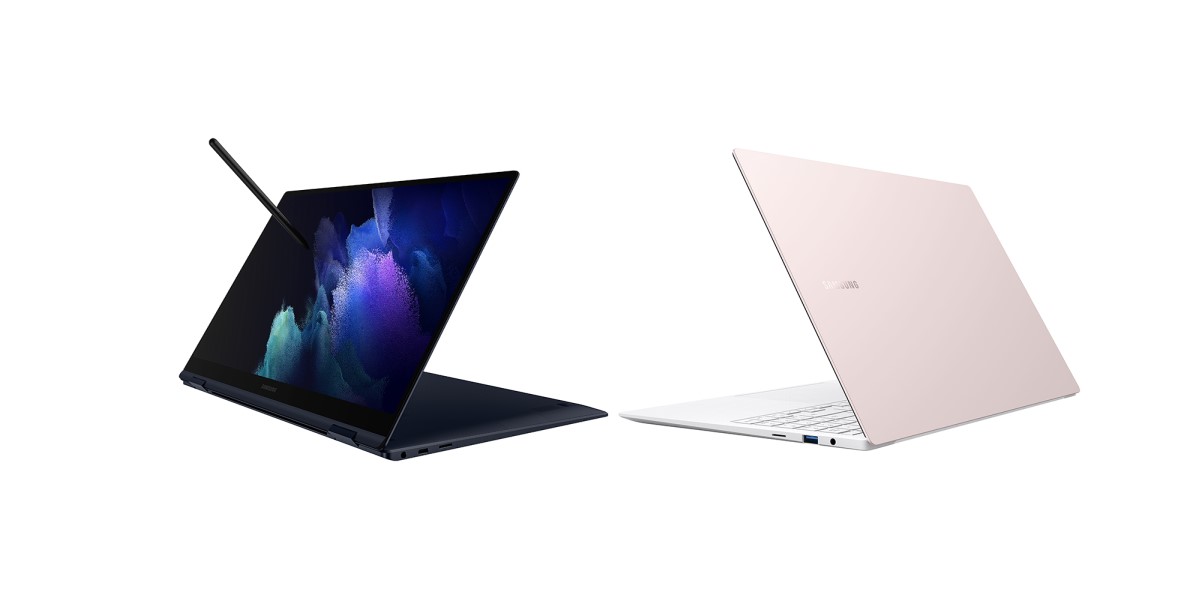
Samsung is touting some more Wintel laptops – the Galaxy Book Pro and Galaxy Book Pro 360 – and also teased a collaboration on new silicon.
The machines come in 13-and-15-inch variants, and pack 11th-gen Intel Core i3, i5 or i7 processors, Intel Iris graphics, plus up to 1TB of NVMe SSD storage. The 13-inchers offer an optional nano SIM slot and connectivity compatible with 4G and 5G. All are very thin and light.
The Pro 360 can fold over to become a tablet or operate in a so-called tent mode, and ships with Samsung's S-Pen stylus that now more closely resembles a pencil rather than the Pocky chocolate-biscuit-stick-like model shipped with Galaxy smartphones. The non-360 Pro is a good old clamshell McLaptop affair.
Samsung has done x86-based laptops before, of course, as well as Galaxy Book S devices powered by Qualcomm-designed chips.
Samsung’s Galaxy Book Pro 360, left, and Pro ... Source: Samsung
The South Korean giant says it's possible to mirror the laptops' screens on a Galaxy Tab, and run smartphone apps on the PCs. Samsung has also used AMOLED displays for the computers, the same tech it uses in its smartphones, smartwatches, and Galaxy Tab fondleslabs. Doing so apparently represents some kind of integration across the mobile ecosystem. All four Galaxy Pro models sport 1920 x 1080 screens.
The new machines also conform to Intel's Evo spec for thin, light, always-connected devices that boast long battery lives.
Intel and Samsung also said they will be "creating a new co-engineering team dedicated to advancing mobile computing innovation," and will "collaborate to deliver leading-edge technologies."
One item on that team's todo list: "A new microarchitecture from Intel leveraging multiple types of XPU cores."
Intel told us it is not sharing any more than that for now. But it is a matter of record that Intel likes the idea of blending CPUs, GPUs, and FPGAs into what it calls an XPU, and that Samsung makes very handy Exynos system-on-chips that it sees as like-for-like substitutes for Qualcomm kit. Exynos is Arm-based, raising the tantalizing prospect of this collaboration offering Intel a way back into mobile devices, a billion-devices-a-year market that it has all but missed. ®
From Chip War To Cloud War: The Next Frontier In Global Tech Competition
The global chip war, characterized by intense competition among nations and corporations for supremacy in semiconductor ... Read more
The High Stakes Of Tech Regulation: Security Risks And Market Dynamics
The influence of tech giants in the global economy continues to grow, raising crucial questions about how to balance sec... Read more
The Tyranny Of Instagram Interiors: Why It's Time To Break Free From Algorithm-Driven Aesthetics
Instagram has become a dominant force in shaping interior design trends, offering a seemingly endless stream of inspirat... Read more
The Data Crunch In AI: Strategies For Sustainability
Exploring solutions to the imminent exhaustion of internet data for AI training.As the artificial intelligence (AI) indu... Read more
Google Abandons Four-Year Effort To Remove Cookies From Chrome Browser
After four years of dedicated effort, Google has decided to abandon its plan to remove third-party cookies from its Chro... Read more
LinkedIn Embraces AI And Gamification To Drive User Engagement And Revenue
In an effort to tackle slowing revenue growth and enhance user engagement, LinkedIn is turning to artificial intelligenc... Read more