

Russia Bans Oil Sales To Countries Using Price Cap
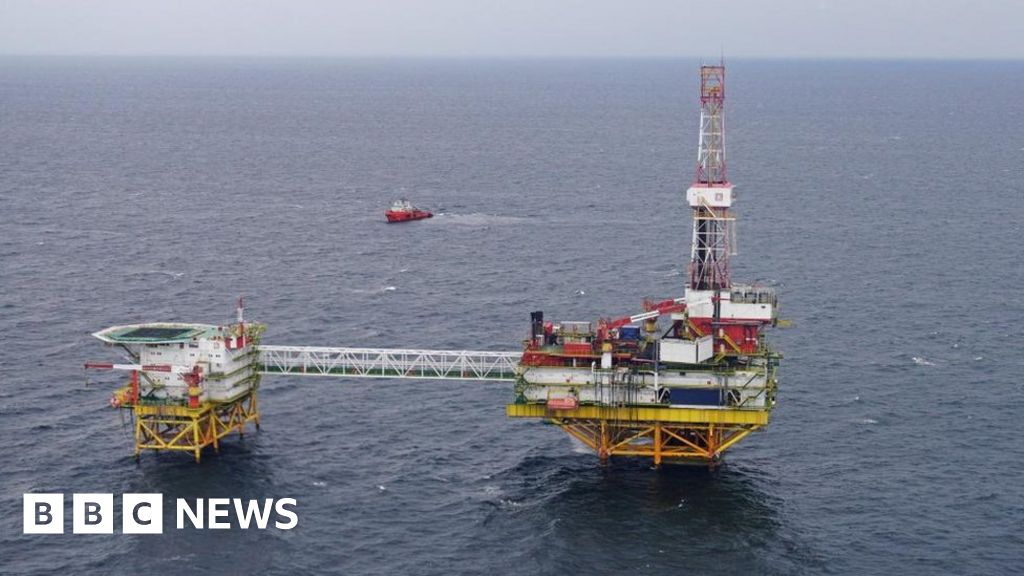
Russia has banned oil sales to countries and companies that comply with a price cap agreed by Western nations earlier this month.
The price cap - which was agreed by the G7 group of nations, Australia and the EU - came into force on 5 December.
The cap prohibits countries from paying more than $60 (€56; £50) per barrel of Russian oil.
Russia has now said its oil and oil products will not be sold to anyone imposing the price cap.
The presidential decree said the ban would take effect for five months from 1 February until 1 July.
The decree also said Russian President Vladimir Putin could give "special permission" to supply to countries that fall under the ban.
The G7 group of major economies first put forward the idea of a price cap in September in order to stop Moscow from using oil revenue to finance the war in Ukraine.
Although Western demand for Russian oil fell after the invasion, Russian revenue remained high due to a price spike and demand elsewhere, including from India and China.
An EU-wide ban on Russian crude oil imported by sea is already in place, alongside similar pledges from the UK, the US, and others.
The price cap aims to reduce Russian oil revenue further. It stops any Russian crude sold for more than $60 from being shipped using G7 and EU tankers, insurance companies and credit institutions.
Many major global shipping and insurance companies are based within the G7.
But earlier this month, Ukraine's President Volodymyr Zelensky called the price cap a "weak" idea that was not "serious" enough to damage the Russian economy.
Russia's Finance Minister Anton Siluanov said on Tuesday that Russia's budget deficit could be wider than the planned 2% of GDP in 2023 - with the oil price cap squeezing export income.
Oil is currently trading at around $80 a barrel - well down from the peaks of above $120, seen in March and June.
From Chip War To Cloud War: The Next Frontier In Global Tech Competition
The global chip war, characterized by intense competition among nations and corporations for supremacy in semiconductor ... Read more
The High Stakes Of Tech Regulation: Security Risks And Market Dynamics
The influence of tech giants in the global economy continues to grow, raising crucial questions about how to balance sec... Read more
The Tyranny Of Instagram Interiors: Why It's Time To Break Free From Algorithm-Driven Aesthetics
Instagram has become a dominant force in shaping interior design trends, offering a seemingly endless stream of inspirat... Read more
The Data Crunch In AI: Strategies For Sustainability
Exploring solutions to the imminent exhaustion of internet data for AI training.As the artificial intelligence (AI) indu... Read more
Google Abandons Four-Year Effort To Remove Cookies From Chrome Browser
After four years of dedicated effort, Google has decided to abandon its plan to remove third-party cookies from its Chro... Read more
LinkedIn Embraces AI And Gamification To Drive User Engagement And Revenue
In an effort to tackle slowing revenue growth and enhance user engagement, LinkedIn is turning to artificial intelligenc... Read more