

Rideshare Companies In India Are Asking For Tips Before The Trip
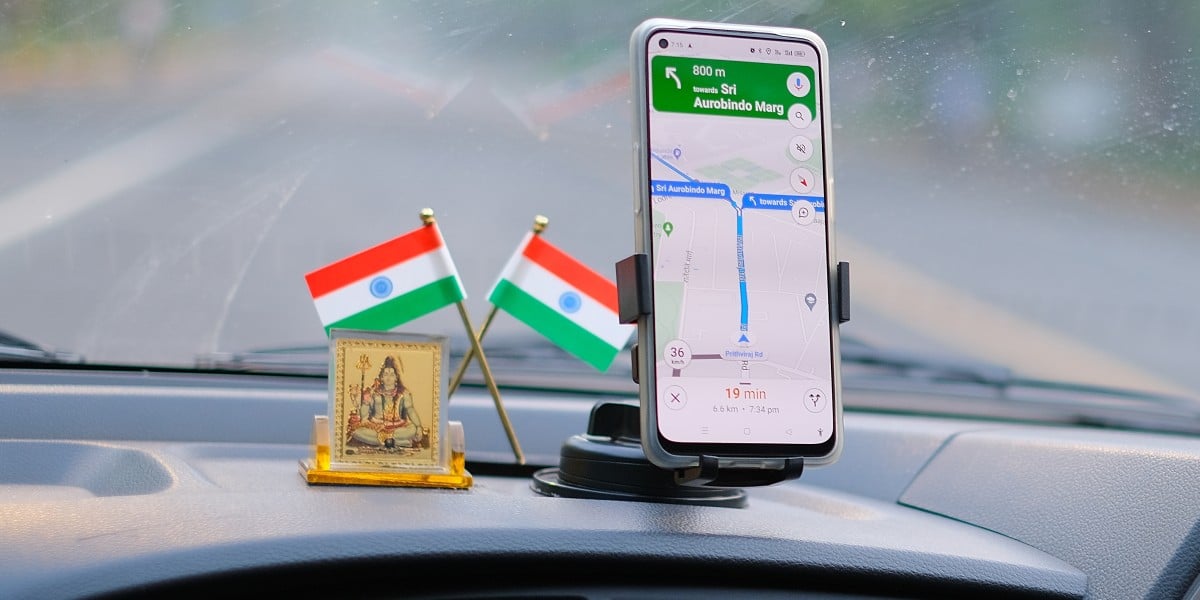
India’s consumer affairs minister has criticized Uber for adding a feature that allows users to tip their driver before a trip as an incentive to take a job.
The tip-first, ride-later scheme reportedly landed in Uber’s Indian app this week, but it’s not a new idea. A local Uber-like service called Namma Yatri appears to have introduced it in 2024 as an alternative to “surge pricing”, Uber’s practice of charging more for rides when demand is high.
Nudging users to pay a tip in advance for faster service is unethical and exploitative
Unlike Uber and other rideshare services, Namma Yatri doesn’t get commission for each trip. It instead charges drivers a daily access fee of ₹INR 25 ($0.30) that covers unlimited rides, or a per-ride fee of ₹INR 3.5 ($0.04), to access its platform. The entire fare goes to the driver.
The company unashamedly admits the tip-first, ride-later scheme is “designed to encourage quicker ride acceptance”. Some riders don’t like the scheme as they feel it’s created a situation akin to an auction in which they have to guess at how much they’ll need to tip to attract a driver’s interest. Namma Yatri says it’s trying to improve the scheme.
Other Indian ride-share companies have adopted tip-first, ride-later, and experienced some rumblings of discontent.
Complaints became far louder this week after Uber’s Indian operation added the feature to its app.
- India investigates whether Uber makes iPhone users pay more to ride
- India's Uber clone Ola Cabs hails ride out of the international market
- Ancient art of banning rideshare companies revived in India, this time on motorbikes
- Indian government accuses Uber of jacking up prices for loyal customers
Consumer affairs Minister Pralhad Joshi got wind of the scheme and took to X to voice his disapproval.
“The practice of 'Advance Tip' is deeply concerning,” he wrote on Wednesday. “Forcing or nudging users to pay a tip in advance, for faster service is unethical and exploitative. Such actions fall under unfair trade practices. Tip is given as a token of appreciation not as a matter of right, after the service.”
The minister ordered India’s Central Consumer Protection Authority to look into it, and the regulator hailed Uber’s legal team and asked them to deliver a please explain.
“Fairness, transparency and accountability must be upheld in all customer interactions,” the Minster added.
Which gets The Register wondering why the Minister wasn’t angry when Namma Yatri introduced this scheme last year.
India’s government promotes home-grown tech and has a complex relationship with Big Tech which sees it court the likes of Uber for collaborations and investment while also regulating fiercely.
We’ve asked Uber for comment and will update this story if the company responds. ®
From Chip War To Cloud War: The Next Frontier In Global Tech Competition
The global chip war, characterized by intense competition among nations and corporations for supremacy in semiconductor ... Read more
The High Stakes Of Tech Regulation: Security Risks And Market Dynamics
The influence of tech giants in the global economy continues to grow, raising crucial questions about how to balance sec... Read more
The Tyranny Of Instagram Interiors: Why It's Time To Break Free From Algorithm-Driven Aesthetics
Instagram has become a dominant force in shaping interior design trends, offering a seemingly endless stream of inspirat... Read more
The Data Crunch In AI: Strategies For Sustainability
Exploring solutions to the imminent exhaustion of internet data for AI training.As the artificial intelligence (AI) indu... Read more
Google Abandons Four-Year Effort To Remove Cookies From Chrome Browser
After four years of dedicated effort, Google has decided to abandon its plan to remove third-party cookies from its Chro... Read more
LinkedIn Embraces AI And Gamification To Drive User Engagement And Revenue
In an effort to tackle slowing revenue growth and enhance user engagement, LinkedIn is turning to artificial intelligenc... Read more