

Race To Build Indias First Chip Plant May Be Won In 2023
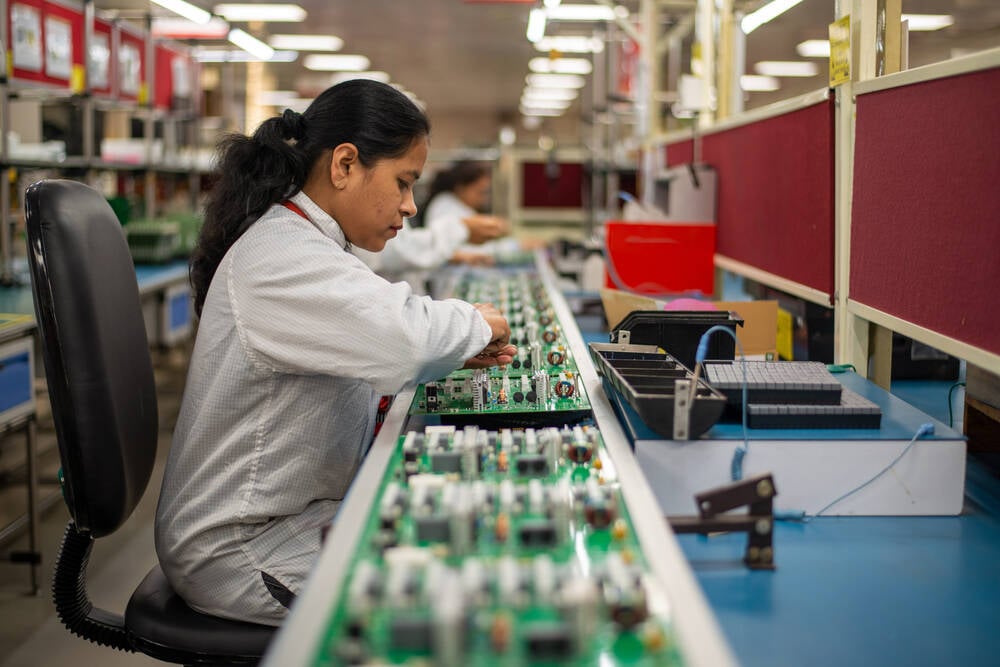
India's first chip manufacturing plant should start construction in February of next year as part of the country's drive to become a bigger semiconductor hub.
That's according to Indian business publication Mint, which recently reported that work on ISMC Digital's $3 billion fab in the southwestern state of Karnataka could begin in a matter of months, if India's central government approves the project in time.
The timeline was provided by Ashwath Narayan, Karnataka's Minister for Information Technology, Electronics, and Skills Development. This means Karnataka could become the first Indian state to stand up a fab, according to the government official.
That would put ISMC's Karnataka fab ahead of a planned facility by Taiwan's Foxconn and Indian firm Vendanta in the western state of Gujarat as well as a $3.2 billion semiconductor park in the southern state of Tamil Nadu that has been proposed by Singapore's IGSS Ventures.
However, as we've noted elsewhere, chip-making plants require a massive effort to get going, so it will take around four to five years for ISMC's fab to become operational, according to the Business Standard.
- India to revisit hardware incentives after struggling to move manufacturers out of China
- Intel's net positive water use only tells part of the story
- How TSMC killed 450mm wafers for fear of Intel, Samsung
- Intel to get $7.3b for Germany fab site as TSMC dismisses Europe plans
ISMC, short for International Semiconductor Consortium, is a joint venture between United Arab Emirates-based investment firm Next Orbit Ventures and Israel-based Tower Semiconductor. With Intel planning to acquire Tower for $5.4 billion early next year, Intel could end up owning a piece of the ISMC fab in Karnataka.
The ISMC plant in Karnataka will focus on manufacturing 45nm to 65nm analog chips for the defense and automotive sectors, among others. As we've previously reported, the ISMC fab is expected to create about 1,500 jobs, plus 10,000 indirect jobs because of the plant's expected economic impact.
ISMC and other companies planning fabs in India are hoping to get a slice of the $10 billion in chip subsidies the federal government has carved out to build the domestic semiconductor industry.
While India doesn't have any chip manufacturing plants right now, the country has been a hub for chip design and other activities. Intel, for instance, has a sizable design and engineering presence, with 13,500 employees in the country as of last year. Other chip companies in India include MediaTek, TSMC, and NXP Semiconductors.
India's drive to become a chip-making hub is apparently benefiting from the United States' growing efforts to hamper China's semiconductor industry. According to the Business Standard, the US' restrictions on sales of semiconductor manufacturing equipment to China has prompted at least some companies to consider shifting production to India in the future. ®
From Chip War To Cloud War: The Next Frontier In Global Tech Competition
The global chip war, characterized by intense competition among nations and corporations for supremacy in semiconductor ... Read more
The High Stakes Of Tech Regulation: Security Risks And Market Dynamics
The influence of tech giants in the global economy continues to grow, raising crucial questions about how to balance sec... Read more
The Tyranny Of Instagram Interiors: Why It's Time To Break Free From Algorithm-Driven Aesthetics
Instagram has become a dominant force in shaping interior design trends, offering a seemingly endless stream of inspirat... Read more
The Data Crunch In AI: Strategies For Sustainability
Exploring solutions to the imminent exhaustion of internet data for AI training.As the artificial intelligence (AI) indu... Read more
Google Abandons Four-Year Effort To Remove Cookies From Chrome Browser
After four years of dedicated effort, Google has decided to abandon its plan to remove third-party cookies from its Chro... Read more
LinkedIn Embraces AI And Gamification To Drive User Engagement And Revenue
In an effort to tackle slowing revenue growth and enhance user engagement, LinkedIn is turning to artificial intelligenc... Read more