

Qualcomm Reveals It's Not Selling To Russia During Twitter Spat
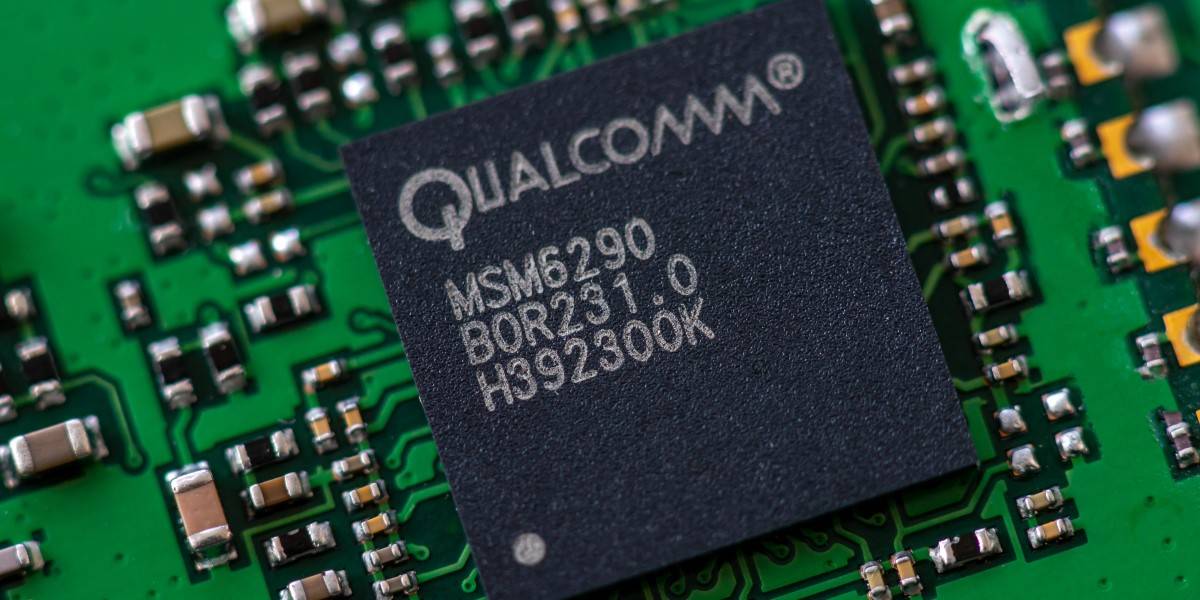
Chipmaker Qualcomm is the latest tech firm to stop doing business with Russia following the invasion of Ukraine.
Unusually, it appears that the company's policy was disclosed in a Twitter exchange between Qualcomm's senior vice president for Government Affairs Nate Tibbits and Ukraine's Vice Prime Minister and Minister of Digital Transformation, Mykhailo Fedorov.
In the tweets posted yesterday, Fedorov accused Qualcomm of still having its products available in Russia, saying this was inadvertently enabling the Russian state to kill thousands of Ukrainians.
Tibbits responded by claiming that this is not correct, and stating that "we comply with US sanctions & laws [and] are not selling products to Russian companies."
He also said that Qualcomm wants a peaceful resolution to the aggression in Ukraine, has donated to relief organizations supporting the Ukrainian people, and has also matched its employees' contributions.
In a later response, Fedorov thanked Qualcomm and Tibbits for halting sales to Russia, and went on to suggest that if Qualcomm really wished to offer assistance, the company could donate satellite phones to help equip Ukrainian rescue personnel amidst the country's shattered infrastructure.
Fedorov also directed his anger at SAP, which he claimed is continuing to support Russian businesses and government-owned organisations such as Sberbank and Aeroflot, as reported earlier this month.
SAP CEO Christian Klein said on 7 March that his firm would continue to serve existing customers within the scope of its contractual commitments, as far as sanctions and export control restrictions permitted, but that it was not accepting new orders.
- Devil-may-care Lapsus$ gang is not the aspirational brand infosec needs
- Rising wafer prices lift chip foundry revenues
- HPE, Qualcomm team for virtualized 5G network kit
- Qualcomm jumps on Wi-Fi 7 bandwagon amid chip shortage
However, SAP is one of the few going against the grain in taking this approach. Earlier this week, database firm MongoDB announced that it would not sell either its software or its cloud database services to customers in Russia or Belarus.
Linux vendors Red Hat and Suse announced last week that they were taking action, with Red Hat discontinuing sales and services in Russia and Belarus, while Suse said it had suspended all direct sales in Russia and was prepared to comply with any additional sanctions.
Others that have suspended sales or withdrawn from Russia over the invasion of Ukraine include Oracle and Microsoft, plus tech consultancies such as PMG, PwC, Accenture, and DXC. ®
From Chip War To Cloud War: The Next Frontier In Global Tech Competition
The global chip war, characterized by intense competition among nations and corporations for supremacy in semiconductor ... Read more
The High Stakes Of Tech Regulation: Security Risks And Market Dynamics
The influence of tech giants in the global economy continues to grow, raising crucial questions about how to balance sec... Read more
The Tyranny Of Instagram Interiors: Why It's Time To Break Free From Algorithm-Driven Aesthetics
Instagram has become a dominant force in shaping interior design trends, offering a seemingly endless stream of inspirat... Read more
The Data Crunch In AI: Strategies For Sustainability
Exploring solutions to the imminent exhaustion of internet data for AI training.As the artificial intelligence (AI) indu... Read more
Google Abandons Four-Year Effort To Remove Cookies From Chrome Browser
After four years of dedicated effort, Google has decided to abandon its plan to remove third-party cookies from its Chro... Read more
LinkedIn Embraces AI And Gamification To Drive User Engagement And Revenue
In an effort to tackle slowing revenue growth and enhance user engagement, LinkedIn is turning to artificial intelligenc... Read more