

Proposed Innovation Act Amendment Would Block US Investment In China
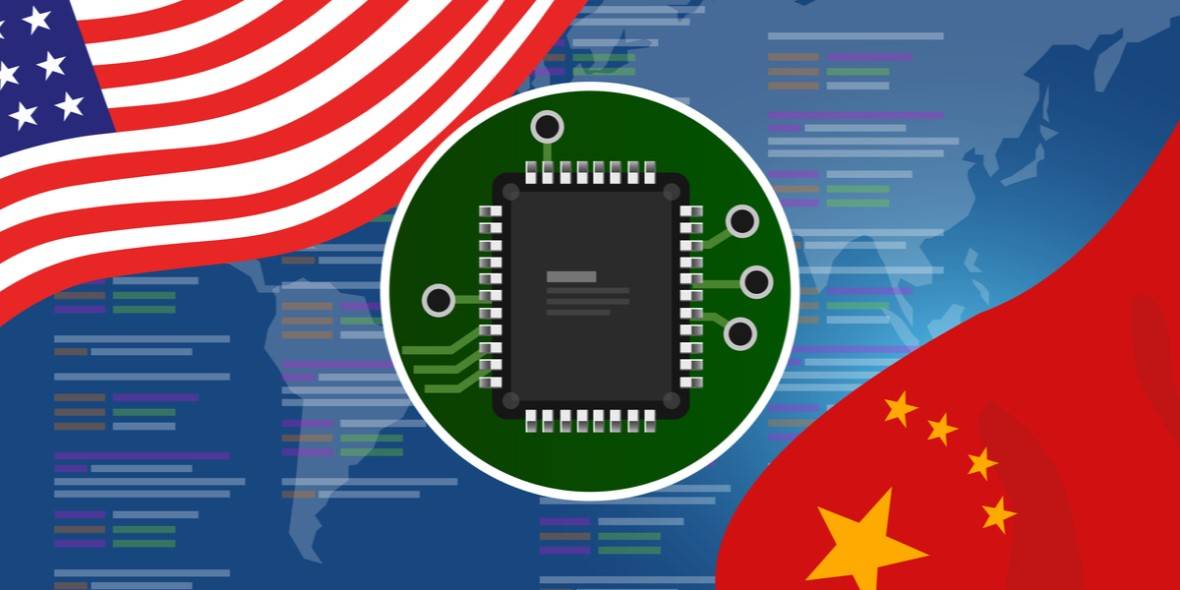
A draft US law that would, for one thing, subsidize the US semiconductor industry, has gained an amendment that would turn the screws on American investments in foreign countries.
The proposed update states that semiconductors, large-capacity batteries, pharmaceuticals, rare-earth elements biotech, AI, quantum computing, hypersonics, fintech and autonomous technologies are all included as sectors in which foreign investment would be limited, specifically in "countries of concern," or those considered foreign adversaries, like China. The amendment also would restrict construction investments and joint ventures that would involve sharing of IP and monetary rewards.
US entities that have invested in a sector or country covered under the amendment would be required to notify the federal government, and the proposal also includes authorization for the executive branch to form an interagency panel responsible for reviewing and blocking foreign investments on national security grounds, the Wall Street Journal said of the amendment.
Currently in a two-chamber conference to resolve differences between the House and Senate versions of the Bipartisan Innovation Act, the amendment was introduced yesterday by House Representative Michael McCaul (R-TX) and six other bipartisan supporters. Among the broader actions the Act would take would be to fund development of the US semiconductor industry.
The new proposal is a compromise between matching the outbound investment mechanisms introduced to the senate version of the bill by Senators Bob Casey (D-PA) and John Cornyn (R-TX) in 2021. The previous amendments cast a wide net, and this new version is designed to align the US with outbound investment mechanisms used in ally countries, several members of the House Foreign Affairs committee said in a letter.
"The refined proposal released today has bipartisan, bicameral support and addresses industry concerns, including the scope of prospective activities, industries covered, and the prevention of duplicative authorities," the representatives said.
- Senate edges US chip world closer to $50b subsidies by passing COMPETES Act
- US House passes bill to boost chip manufacturing and R&D
- Congressional pressure mounts to pass $52b CHIPS Act
- US considers $33bn sci/tech funding package
The senate version of the Bipartisan Innovation Act was passed in late March, and has been in conference since then. With Congress set to take a break for Independence Day, and then not be back in session long until the August recess, time is running out to pass the bill.
In a speech last month, President Biden said that tech leaders have said they're ready to increase chip manufacturing capacity in the US, stressing the bipartisan nature of the bill and Congress' general consensus to get it signed as soon as possible.
"So, every Republican and Democratic member of Congress — most of us agree on this. Pass the damn bill and send it to me," Biden said. ®
From Chip War To Cloud War: The Next Frontier In Global Tech Competition
The global chip war, characterized by intense competition among nations and corporations for supremacy in semiconductor ... Read more
The High Stakes Of Tech Regulation: Security Risks And Market Dynamics
The influence of tech giants in the global economy continues to grow, raising crucial questions about how to balance sec... Read more
The Tyranny Of Instagram Interiors: Why It's Time To Break Free From Algorithm-Driven Aesthetics
Instagram has become a dominant force in shaping interior design trends, offering a seemingly endless stream of inspirat... Read more
The Data Crunch In AI: Strategies For Sustainability
Exploring solutions to the imminent exhaustion of internet data for AI training.As the artificial intelligence (AI) indu... Read more
Google Abandons Four-Year Effort To Remove Cookies From Chrome Browser
After four years of dedicated effort, Google has decided to abandon its plan to remove third-party cookies from its Chro... Read more
LinkedIn Embraces AI And Gamification To Drive User Engagement And Revenue
In an effort to tackle slowing revenue growth and enhance user engagement, LinkedIn is turning to artificial intelligenc... Read more