

PC Shipments Are Still On The Decline – Unless You're Apple
Global PC shipments declined in calendar Q3 by 15 percent year-on-year thanks to reduced demand and lingering supply chain issues, according to number cruncher IDC.
The Q3 slowdown is similar to that seen in Q2 2022, when shipments crashed by 15.3 percent year-on-year.
The slowed growth didn't just start this year. Signs first emerged in Q3 2021 as Chromebooks hit market saturation.
For perspective, volumes still remain higher than before the COVID-19 pandemic.
Shipments also aren't as low as they could be thanks to companies like Apple that drove business with promotions. As industry-wide supply hit record lows, Apple supply increased to make up for lost orders during China's Q2 lockdowns, according to IDC research manager Jitesh Ubrani.
- Because you've all stopped buying PCs, AMD's wiped $1b+ off expected sales
- PC sales take double-digit tumble in Q2 amid economic downturn
- Is that a meteor crashing to Earth? No, it's Chromebook makers coming back to reality
- Foxconn factories near Shanghai cease operations over COVID-19 cases
"Consumer demand has remained muted though promotional activity from the likes of Apple and other players has helped soften the fall and reduce channel inventory by a couple weeks across the board," said Ubrani.
"[Suppliers have] also reacted to the new lows by reducing orders with Apple being the only exception as their third quarter supply increased to make up for lost orders stemming from the lockdowns in China during the second quarter."
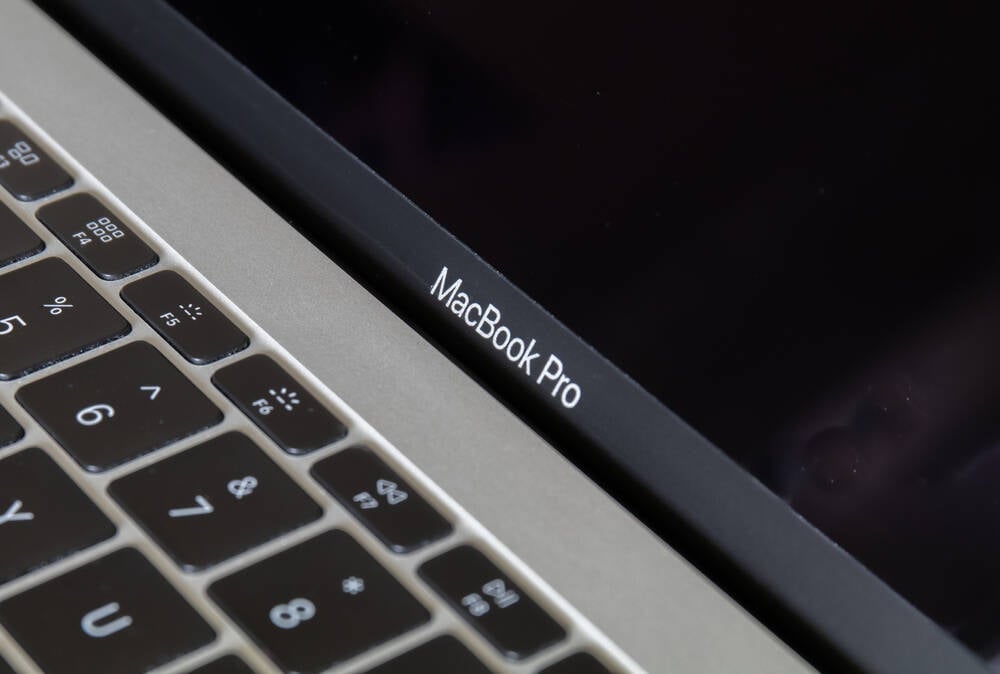
Apple came in fourth place in terms of market share for Q3 PC shipments behind Lenovo (first), HP (second), and Dell (third). While other companies declined in year-on-year growth, Apple soared with a net positive 40.2 percent increase in shipments year-on-year to 10.06 million Macs.
In the quarter Lenovo outpaced HP, growing shipments by more than 5.5 percent to 16.88 million while HP declined 27.8 percent year-on-year to 12.7 million. Third placed Dell declined 21.2 percent to 11.96 million.
Together, all PC vendors shipped a total of 74.3 million units in Q3. IDC research vice president Linn Huang advised that average selling price (ASP) had been another factor to watch this quarter.
"Shortages over the last several years have aggressively driven product mix shifts towards the premium end. This, coupled with cost increases of components and logistics, drove ASPs up five quarters in a row to $910 in 1Q22, the highest since 2004."
Huang added that ASP was finally reducing thanks to demand slowing, promotions in full swing, and orders being cut, after five quarters of growth. ®
From Chip War To Cloud War: The Next Frontier In Global Tech Competition
The global chip war, characterized by intense competition among nations and corporations for supremacy in semiconductor ... Read more
The High Stakes Of Tech Regulation: Security Risks And Market Dynamics
The influence of tech giants in the global economy continues to grow, raising crucial questions about how to balance sec... Read more
The Tyranny Of Instagram Interiors: Why It's Time To Break Free From Algorithm-Driven Aesthetics
Instagram has become a dominant force in shaping interior design trends, offering a seemingly endless stream of inspirat... Read more
The Data Crunch In AI: Strategies For Sustainability
Exploring solutions to the imminent exhaustion of internet data for AI training.As the artificial intelligence (AI) indu... Read more
Google Abandons Four-Year Effort To Remove Cookies From Chrome Browser
After four years of dedicated effort, Google has decided to abandon its plan to remove third-party cookies from its Chro... Read more
LinkedIn Embraces AI And Gamification To Drive User Engagement And Revenue
In an effort to tackle slowing revenue growth and enhance user engagement, LinkedIn is turning to artificial intelligenc... Read more