

Nvidia's Datacenter Growth Can't Save It From Gaming GPU Woes
Remember when we said a growing supply of graphics cards was worrisome because it portended a weakening economy and not just declining interest in crypto-mining?
Well, Nvidia's latest earnings are here, and they show the GPU behemoth is still dealing with falling demand for graphics chips after a boom period during the first two years of the pandemic.
"We are quickly adapting to the macro environment, correcting inventory levels and paving the way for new products," Nvidia CEO Jensen Huang said Wednesday.
The American chip designer brought in $5.9 billion in revenue for the third quarter – a 17 percent decline from the same period last year and a 12 percent decrease from the previous quarter.
Nvidia's sales suffered in a few areas. Most notably with its gaming GPU business, which had traditionally been the company's biggest moneymaker but has been outpaced by datacenter GPU sales for multiple quarters. The GeForce maker's gaming revenue was $1.57 billion – down 51 percent year-over-year and down 23 percent from the previous quarter.
The graphics chip slinger also saw third-quarter revenue fall for its professional visualization business, which declined 65 percent year-over-year and 60 percent from the last quarter to $200 million.
The datacenter business, which includes the incoming H100 GPU for AI and high-performance computing workloads, was Nvidia's biggest savior this quarter, as it has been in the past two periods. Datacenter revenue grew 31 percent year-over-year and one percent sequentially to $3.8 billion in the third quarter.
- Nvidia turns to optical trickery to boost long-haul InfiniBand performance
- Nvidia, Lockheed team up to build digital twin of the Earth for climate researchers
- Arm shells Qualcomm's Snapdragon launch party with latest salvo in license war
- How AMD, Intel, Nvidia are keeping their cores from starving
This is much slower datacenter growth than the biz has experienced in the recent past. Nvidia CFO Colette Kress blamed some of this slowdown on lowering demand in China, as well as new US export restrictions on the A100 and H100 to the country. Kress said the company largely offset the loss of A100 and H100 sales to China with the introduction of the slower A800 GPU.
Based on current trends, Nvidia expects fourth-quarter revenue to reach $6 billion, plus or minus $12 million. That would amount to a 21 percent decline from the same period last year, showing that more financial pain is on its way.
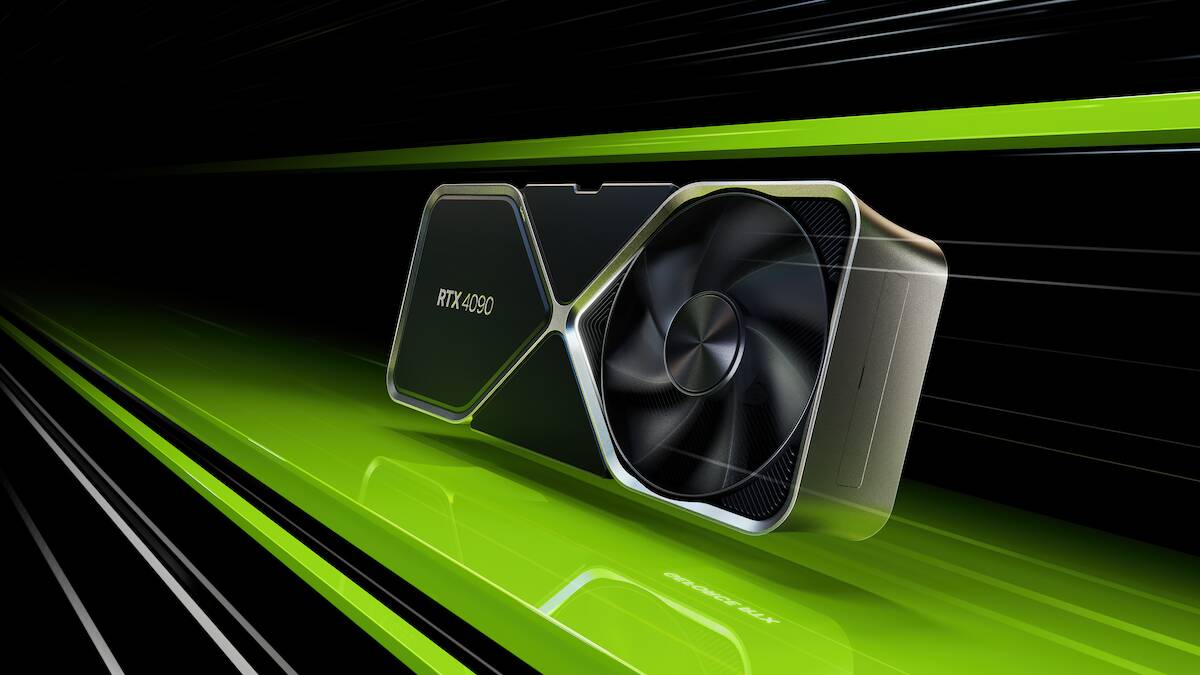
Despite the company's current downturn, Huang seemed confident that Nvidia's upcoming products will form the "foundation of our next phase of growth." He included Nvidia's new Ada Lovelace-powered GeForce RTX 4090 in this list of fresh chips and said they're off to a "great start" – failing to mention the continuing reports of RTX 4090 cards with melting or burning power cables. ®
From Chip War To Cloud War: The Next Frontier In Global Tech Competition
The global chip war, characterized by intense competition among nations and corporations for supremacy in semiconductor ... Read more
The High Stakes Of Tech Regulation: Security Risks And Market Dynamics
The influence of tech giants in the global economy continues to grow, raising crucial questions about how to balance sec... Read more
The Tyranny Of Instagram Interiors: Why It's Time To Break Free From Algorithm-Driven Aesthetics
Instagram has become a dominant force in shaping interior design trends, offering a seemingly endless stream of inspirat... Read more
The Data Crunch In AI: Strategies For Sustainability
Exploring solutions to the imminent exhaustion of internet data for AI training.As the artificial intelligence (AI) indu... Read more
Google Abandons Four-Year Effort To Remove Cookies From Chrome Browser
After four years of dedicated effort, Google has decided to abandon its plan to remove third-party cookies from its Chro... Read more
LinkedIn Embraces AI And Gamification To Drive User Engagement And Revenue
In an effort to tackle slowing revenue growth and enhance user engagement, LinkedIn is turning to artificial intelligenc... Read more