

Nvidia Paid $1M For Mar-a-Lago Meal, US Later Scrapped AI Chip Export Crackdown
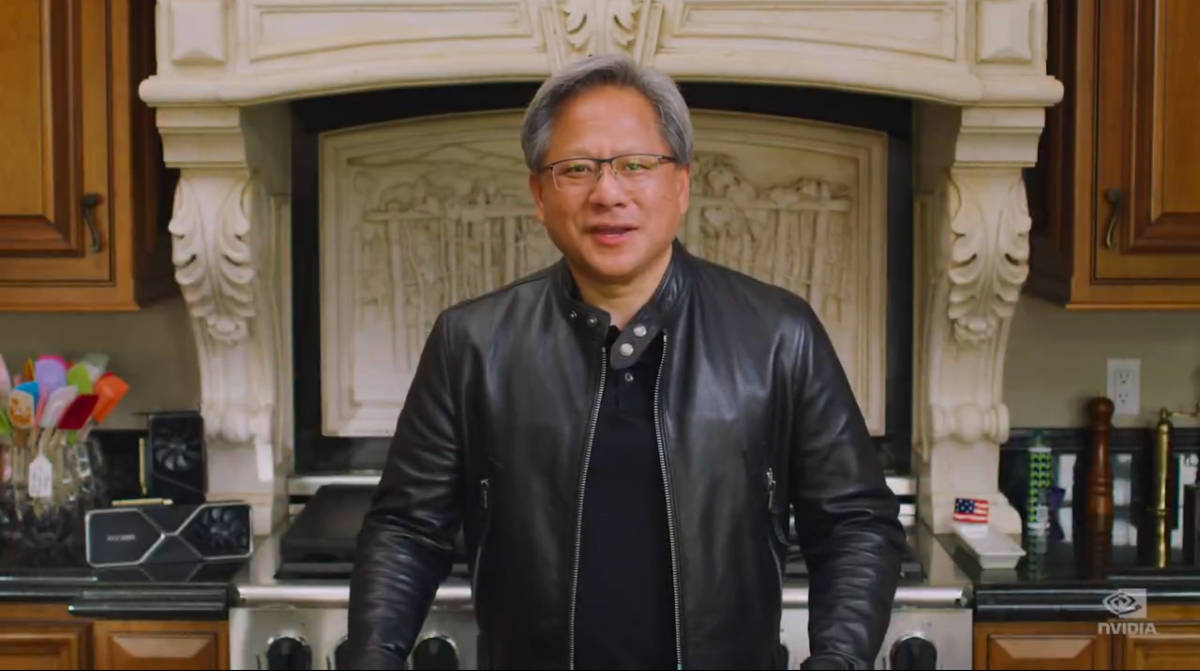
Nvidia may have been served a particularly delicious digestif after dropping a million bucks for dinner at President Trump’s Florida home Mar-a-Lago: A reprieve on restrictions of its AI chips to China.
According to NPR, not long after Nvidia CEO Jensen Huang showed up at the seven-figure soiree last week, the Trump administration quietly shelved a plan to tighten restrictions on the sale of Nv's H20 GPUs to the Middle Kingdom.
The policy reversal reportedly came after Nvidia promised the Trump administration fresh investments in US-based AI datacenters, according to one source cited by NPR.
Trade relations between Washington and Beijing have steadily worsened since Trump took office, with the President on Wednesday pushing tariffs on Chinese imports to at least 125 percent. Consistent with that hard-line stance, the administration was expected to further tighten curbs on the sale of Nvidia accelerators, including the H20, to China.
The processor is the most powerful part Nvidia can legally sell in China. The chips are coveted by Chinese AI model builders and cloud providers.
While China has developed homegrown alternatives to Nvidia's accelerators, many of the companies that designed them are on the US Entities List, a designation that makes it nearly impossible for them to have their GPUs made by leading-edge foundries, in particular TSMC and Samsung. Huawei, however, has been accused of using proxy companies to subvert these rules.
Chinese firms are reportedly trying to stockpile $16 billion worth of H20s in anticipation of further export restrictions.
Nvidia declined to comment on this story. The Register asked the US Commerce Department for comment.
- Microsoft puts $1B US datacenter builds on hold amid AI, tariff uncertainty
- Please sir, may we have some Moore? Doesn't look that way
- UALink debuts its first AI interconnect spec – usable in just 18 short months
- Meta debuts its first 'mixture of experts' models from the Llama 4 herd
Efforts to limit China's access to slick accelerators used in supercomputing and AI applications are by no means new.
Over the past three years, Uncle Sam has worked to derail China's supply of top-drawer chips by banning the export of some devices and only allowing export of products with processing power well below the capabilities of the most modern parts.
Nvidia responded by creating cut-down versions of its products and is thought to want to do so again for its latest generation of Blackwell parts. ®
From Chip War To Cloud War: The Next Frontier In Global Tech Competition
The global chip war, characterized by intense competition among nations and corporations for supremacy in semiconductor ... Read more
The High Stakes Of Tech Regulation: Security Risks And Market Dynamics
The influence of tech giants in the global economy continues to grow, raising crucial questions about how to balance sec... Read more
The Tyranny Of Instagram Interiors: Why It's Time To Break Free From Algorithm-Driven Aesthetics
Instagram has become a dominant force in shaping interior design trends, offering a seemingly endless stream of inspirat... Read more
The Data Crunch In AI: Strategies For Sustainability
Exploring solutions to the imminent exhaustion of internet data for AI training.As the artificial intelligence (AI) indu... Read more
Google Abandons Four-Year Effort To Remove Cookies From Chrome Browser
After four years of dedicated effort, Google has decided to abandon its plan to remove third-party cookies from its Chro... Read more
LinkedIn Embraces AI And Gamification To Drive User Engagement And Revenue
In an effort to tackle slowing revenue growth and enhance user engagement, LinkedIn is turning to artificial intelligenc... Read more