

NTT Docomo Claims First 5G Network With Both Sub-6 GHz And MmWave
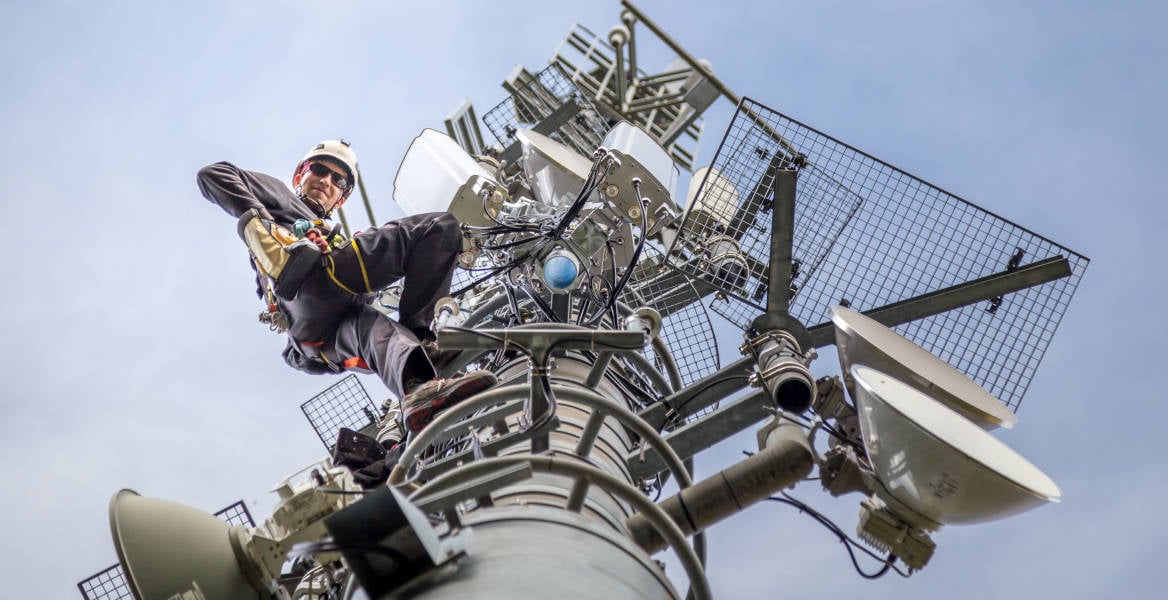
Japanese telco NTT Docomo claims to have the world's first commercial 5G Standalone (SA) network that enables smartphones to simultaneously use both mid-band (sub-6 GHz) and mmWave frequencies, known as 5G NR Dual Connectivity.
The announcement was made with wireless technology company Qualcomm, which was keen to showcase that smartphones powered by its Snapdragon 8 Gen 1 platform are able to exploit the full speed of the new network.
Operational since the end of August, NTT Docomo's 5G NR-DC network is pitched as a significant milestone in the evolution of 5G. This is because 5G services typically operate using either sub-6 GHz frequency bands, or the mmWave frequencies that offer higher speeds but typically lower range.
Many network operators around the world have chosen to deploy 5G in mid-band frequencies alongside existing 4G networks, and the success of these has somewhat sidelined the mmWave technology, which has largely been confined to networks operating in the US, such as Verizon.
In fact, the GSM Association felt compelled last year to launch an accelerator initiative to drive awareness of mmWave technology to "underline the role that mmWave plays in unlocking the full potential of 5G."
According to Qualcomm and NTT Docomo, the combination of sub-6 GHz and mmWave bands brings to market new capabilities for both consumers and enterprises, offering both high speed in dense urban areas and seamless wide-area coverage.
- Qualcomm targets mid-range and volume smartphones with fresh Snapdragon SoCs
- Japan's NTT claims it's built 1.2Tbit/s optical comms that sip power
- DIY 5G specialist FreedomFi acquired by Nova Labs
- AWS takes a shot at the private 5G network
Qualcomm claims that users with specific handsets are already seeing download speeds of up to 4.9Gbps and upload speeds up to 1.1Gbps in urban areas when using the new network.
These handsets are the Sharp Aquos R7, Samsung Galaxy S22, Samsung Galaxy S22 Ultra, and Sony Xperia 1 IV, all of which are based on its Snapdragon 8 Gen 1 platform.
Durga Malladi, Qualcomm Senior VP for Cellular Modems and Infrastructure, said that with 5G NR-DC, NTT Docomo can deliver to users the high capacity of 5G mmWave and wide coverage of 5G mid-band.
Meanwhile, NTT Docomo EVP and CTO Naoki Tani said that his firm would continue to bring cutting-edge technologies to customers to make mobile environments more comfortable.
Qualcomm said it will continue to develop new 5G Standalone technologies, including network slicing technology and developing faster speeds through NR-DC.
The company is also working with Ericsson and Thales on technology that could deliver a 5G network service from low-Earth orbit satellites. This is based on changes in Release 17 of the 5G specifications from the 3GPP telecommunications standards body, which allow for satellite-driven 5G non-terrestrial networks (5G NTNs). ®
From Chip War To Cloud War: The Next Frontier In Global Tech Competition
The global chip war, characterized by intense competition among nations and corporations for supremacy in semiconductor ... Read more
The High Stakes Of Tech Regulation: Security Risks And Market Dynamics
The influence of tech giants in the global economy continues to grow, raising crucial questions about how to balance sec... Read more
The Tyranny Of Instagram Interiors: Why It's Time To Break Free From Algorithm-Driven Aesthetics
Instagram has become a dominant force in shaping interior design trends, offering a seemingly endless stream of inspirat... Read more
The Data Crunch In AI: Strategies For Sustainability
Exploring solutions to the imminent exhaustion of internet data for AI training.As the artificial intelligence (AI) indu... Read more
Google Abandons Four-Year Effort To Remove Cookies From Chrome Browser
After four years of dedicated effort, Google has decided to abandon its plan to remove third-party cookies from its Chro... Read more
LinkedIn Embraces AI And Gamification To Drive User Engagement And Revenue
In an effort to tackle slowing revenue growth and enhance user engagement, LinkedIn is turning to artificial intelligenc... Read more