

No, Apple, You May Not Sell IPhones Without Chargers
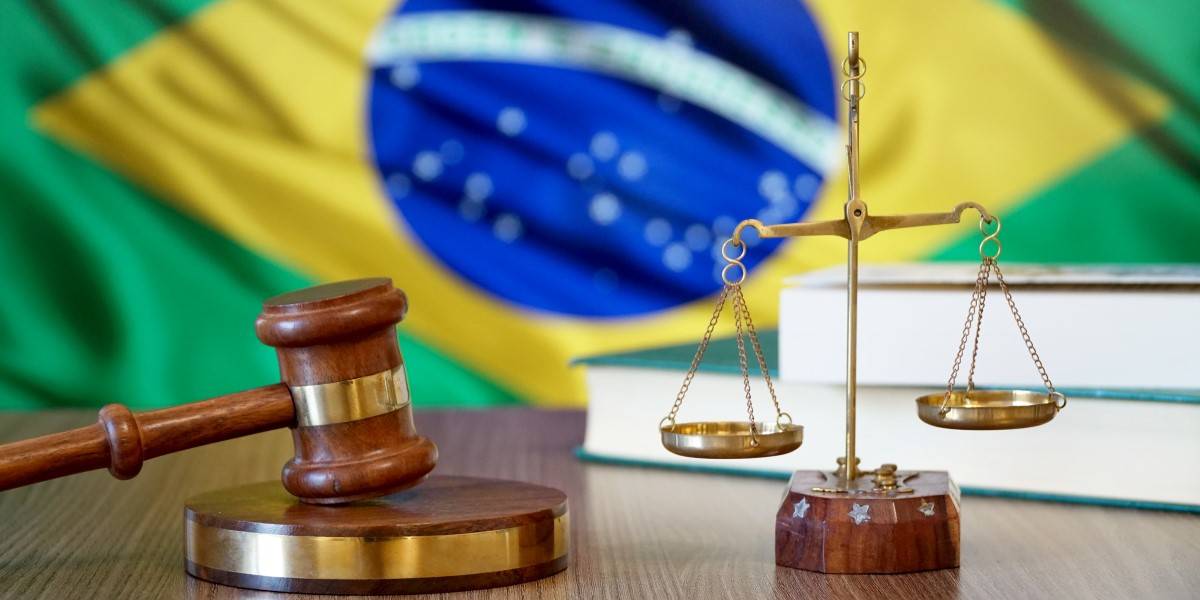
Brazil's government is freezing certain iPhone sales in the country and fining Apple for removing chargers from its smartphones, something officials there have declared a practice harmful to consumers, despite being presented as an act of environmental heroism.
Brazil's Department of Consumer Protection and Defense today published an order fining Apple $2.38 million, as well as suspending the sale of any iPhone 12 or newer or any iPhone model sold without a charger.
Per the translated order, Brazilian officials say Apple's claims of removing the chargers to reduce its environmental footprint are meritless, especially in light of the proportional impact it has on consumers. Brazil's watchdogs aren't impressed that Apple is, in their eyes, shipping devices that are incomplete – as buyers may well need those chargers and they aren't necessarily supplied.
"There are no elements to consider justified an operation that, declaredly aiming to reduce carbon emissions, entails the insertion in the consumer market of a product whose use depends on the acquisition of another, which is also commercialized by the company," Brazilian officials said in the order.
Apple has yet to respond to questions about how it plans to respond to the Brazilian ban.
Suspending sales a last resort
Brazil's order recognizes the relatively small fine is unlikely to affect Apple, which it said has the market power to simply pay it and continue violating the law, or simply ignore it altogether. This is where the sales ban comes in, which the order states is not precautionary, but final pending wider regulatory approval.
Additionally, the regulators behind the order say they plan to pass their findings along to other Brazilian government ministries "for evaluation of other judicial measures suitable for the cessation or reparation" of Apple's now-illicitly packaged devices.
- US must adopt USB-C charging standard like EU, senators urge
- Tough news for Apple as EU makes USB-C common charging port for most electronic devices
- One-size-fits-all chargers? What a great idea! Of course Apple would hate it
- iPhone XR caught fire after getting trapped in airline passenger's seat
Apple removed chargers from its iPhones in 2020, with the company officially citing its environmental goals as the reason for the change. As of now, iPhones only ship with a USB-C to Lightning cable, while USB-C chargers can only be obtained with iPad or Mac devices.
Older USB-A chargers with compatible cables will still charge newer iPhones, but often much slower due to lower wattage requirements in older iPhone chargers.
The EU decided earlier this year to force all smartphone manufacturers to conform to a single USB-C charging standard, which will require Apple to move away from the Lightning cable - at least in Europe - by 2024, which Apple is rumored to be planning for its 2023 iPhones.
Officials in the US have urged the adoption of a similar charging standard, which would largely affect iPhones: Most everything else, even Apple's other hardware, has already moved along. ®
From Chip War To Cloud War: The Next Frontier In Global Tech Competition
The global chip war, characterized by intense competition among nations and corporations for supremacy in semiconductor ... Read more
The High Stakes Of Tech Regulation: Security Risks And Market Dynamics
The influence of tech giants in the global economy continues to grow, raising crucial questions about how to balance sec... Read more
The Tyranny Of Instagram Interiors: Why It's Time To Break Free From Algorithm-Driven Aesthetics
Instagram has become a dominant force in shaping interior design trends, offering a seemingly endless stream of inspirat... Read more
The Data Crunch In AI: Strategies For Sustainability
Exploring solutions to the imminent exhaustion of internet data for AI training.As the artificial intelligence (AI) indu... Read more
Google Abandons Four-Year Effort To Remove Cookies From Chrome Browser
After four years of dedicated effort, Google has decided to abandon its plan to remove third-party cookies from its Chro... Read more
LinkedIn Embraces AI And Gamification To Drive User Engagement And Revenue
In an effort to tackle slowing revenue growth and enhance user engagement, LinkedIn is turning to artificial intelligenc... Read more