

New Chip-stuff Factories Are Like Buses: You Wafer Ages Then Two Come Along At Once
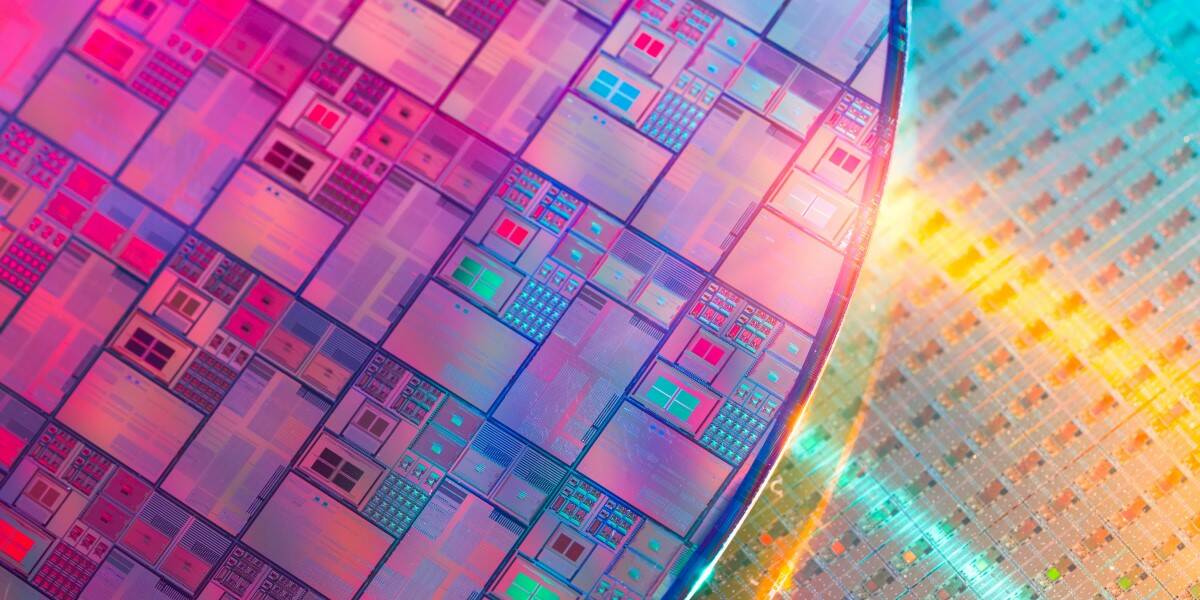
Taiwan’s GlobalWafers has announced a cheery change of plans after its acquisition of Germany’s Siltronic fell through thanks to German authorities' failure to sign off on the deal - expansion of on existing facilities instead.
“GlobalWafers foresees total capital expenditures of New Taiwan dollar (NTD) 100 billion (approx. USD 3.6 billion) from 2022 to 2024, including substantial greenfield investments,” the wafer-maker announced on Sunday.
Capacity expansion for 300mm wafer and Epitaxial wafer (EPI), 200mm and 300mm Silicon on Insulator wafers (SOI), 200mm Float-Zone wafers (FZ), Silicon carbide (SiC) wafers (including SiC Epi), Gallium Nitride on Silicon wafers (GaN on Si) and other large-size next-generation products are all under consideration, across Asia, Europe and the United States.
New production lines are slated for the second half of 2023, and the company says it will continue to expand quarterly.
CEO Doris Hsu said the company was prepared for this eventuality as they had been pursuing a “dual-track strategy” while it waited, and waited, and waited for signoff of the Siltronics sale that never happened.
- UK's new Brexit Freedom Bill promises already-slated GDPR reform, easier gene editing rules
- Tesla to disable 'self-driving' feature that allowed vehicles to roll past stop signs at junctions
- No, I've not read the screen. Your software must be rubbish
- When forgetting to set a password for root is the least of your woes
- Jeff Bezos adds some more overheads to his $485m yacht by taking down historic bridge
The company reckons that by focusing on new production lines for upcoming in-demand tech, like large-size wafer and compound semiconductor related products, that it will be able to leapfrog over its competitors and have an advantage for selling to the next wave of customers.
Global Wafers was not the only semiconductor business announcing expansions this week. Japan’s Toshiba announced it will also be expanding with a new 300-milimeter wafer fabrication facility for power semiconductors in Ishikawa Prefecture.
Toshiba’s expansion will happen in two phases, the first phase in 2024 will deliver capacity 2.5 times above that the company operated in 2021.
Capacity and equipment investment, a start date start for production, and other details are yet to be determined, but will “reflect market trends.”
The new wafer fab will include earthquake absorbing structures and redundancy power supply lines, among some green elements, among other features.
Given the recent spate of disasters that took out semiconductor foundries in the past two years, which include power outages, droughts, and fires, focusing on protecting building structure and power redundancy is not a bad idea for a semiconductor operation.
Just last month Toshiba’s Oita semiconductor plant was forced to close after a 6.6 magnitude earthquake hit southwestern Japan. ®
From Chip War To Cloud War: The Next Frontier In Global Tech Competition
The global chip war, characterized by intense competition among nations and corporations for supremacy in semiconductor ... Read more
The High Stakes Of Tech Regulation: Security Risks And Market Dynamics
The influence of tech giants in the global economy continues to grow, raising crucial questions about how to balance sec... Read more
The Tyranny Of Instagram Interiors: Why It's Time To Break Free From Algorithm-Driven Aesthetics
Instagram has become a dominant force in shaping interior design trends, offering a seemingly endless stream of inspirat... Read more
The Data Crunch In AI: Strategies For Sustainability
Exploring solutions to the imminent exhaustion of internet data for AI training.As the artificial intelligence (AI) indu... Read more
Google Abandons Four-Year Effort To Remove Cookies From Chrome Browser
After four years of dedicated effort, Google has decided to abandon its plan to remove third-party cookies from its Chro... Read more
LinkedIn Embraces AI And Gamification To Drive User Engagement And Revenue
In an effort to tackle slowing revenue growth and enhance user engagement, LinkedIn is turning to artificial intelligenc... Read more