

Leica And Huawei Terminate Trading Agreement Amid US Sanctions
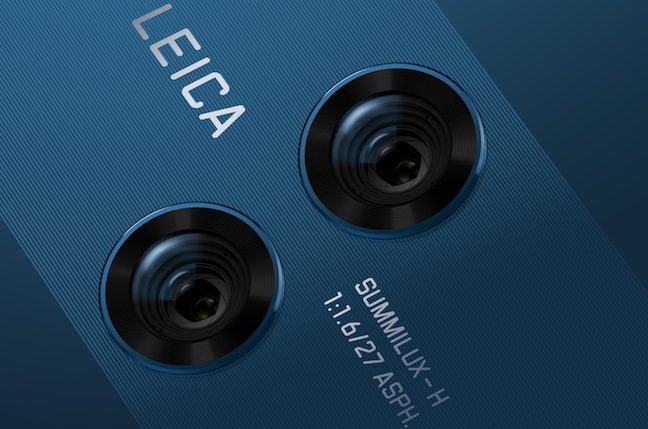
Huawei's long established trading relationship with Leica to integrate the German camera maker's technology into its phones is over, the companies have confirmed.
From February 2016, all Huawei flagships were slated [PDF] to have Leica-developed lenses and branding.
The Reg was generally quite impressed by the combined products over the years.
But alas, Huawei's smartphone sales started to tumble thanks to US sanctions on the company starting in 2019, and the relationship with Leica was itself brought to a halt on March 31, 2022, the pair confirmed.
Leica and Huawei jointly told The Register:
The breakup follows Huawei's attempts to realign its business segments without access to components containing non-American tech.
Huawei's smartphones, tablets, and wearables division shrank 50 percent from 2020 to 2021, due to those US sanctions and other market access losses. The company was even forced to sell off its low-end Honor handset business and credited "persistent unavailability of technical elements needed for our mobile phone business" for the decision.
- Huawei re-orgs to formalize business PC sales
- Xiaomi adds earthquake alert system to some smartphones
- Chip shortage to end this year – at least for us: Xiaomi
- Qualcomm crams more smarts into flagship mobile chip: It's the Snapdragon 8 Gen 1
For Leica, the ending of the Huawei agreement presented it with a challenge and opportunity, and it is now working with Xiaomi to integrate its technology into a new flagship handset due for release in July.
In a canned statement, Leica CEO Matthias Harsch and Xiaomi Group CEO Lei Jun said the "cooperation will provide a strong boost to Xiaomi's imaging strategy."
Leica has a cult status. Its head of development in the early 1910s, Oskar Barnack, is credited with making the first 35mm camera, known as the Ur-Leica. The brand was said to bring credibility to Huawei products.
The loss for Huawei could be a huge win for Xiaomi, and is not a shabby deal for Leica either. Canalys projected Xiaomi to be in third place for Q1 2022 smartphone market share after Samsung and Apple.
Xiaomi's Q1 revenue plunged 11 percent year on year to $6.88 billion, thanks to strict COVID lockdowns and subsequent logistics and supply chain nightmares.
In an earnings call, Xiaomi president Wang Xiang said the problem has gradually improved in Hong Kong and Shenzhen, but in Shanghai logistics still remained a problem. ®
From Chip War To Cloud War: The Next Frontier In Global Tech Competition
The global chip war, characterized by intense competition among nations and corporations for supremacy in semiconductor ... Read more
The High Stakes Of Tech Regulation: Security Risks And Market Dynamics
The influence of tech giants in the global economy continues to grow, raising crucial questions about how to balance sec... Read more
The Tyranny Of Instagram Interiors: Why It's Time To Break Free From Algorithm-Driven Aesthetics
Instagram has become a dominant force in shaping interior design trends, offering a seemingly endless stream of inspirat... Read more
The Data Crunch In AI: Strategies For Sustainability
Exploring solutions to the imminent exhaustion of internet data for AI training.As the artificial intelligence (AI) indu... Read more
Google Abandons Four-Year Effort To Remove Cookies From Chrome Browser
After four years of dedicated effort, Google has decided to abandon its plan to remove third-party cookies from its Chro... Read more
LinkedIn Embraces AI And Gamification To Drive User Engagement And Revenue
In an effort to tackle slowing revenue growth and enhance user engagement, LinkedIn is turning to artificial intelligenc... Read more