

J&J To Sell Baby Powder In UK Despite Stopping US Sales
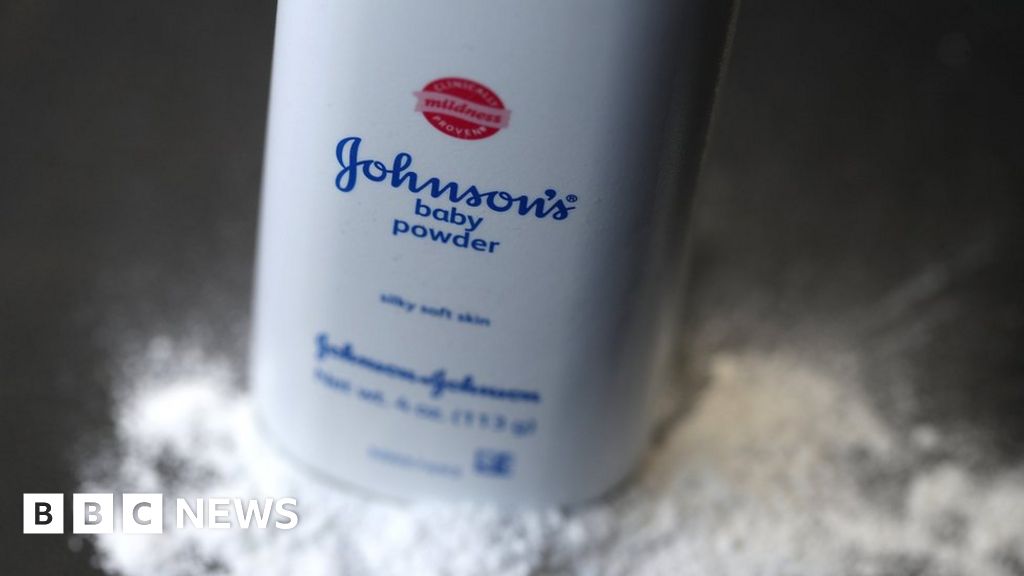
 Image copyright
Getty Images
Image copyright
Getty Images
Healthcare giant Johnson & Johnson says it will continue to sell its talc-based Johnson's Baby Powder in the UK and the rest of the world, despite stopping sales in the US and Canada.
It said North American sales had shrunk partly because of a "constant barrage" of advertising by lawyers seeking clients to claim against the company.
J&J has been at the centre of claims for years that its talc causes cancer.
It has always strenuously defended the product's safety.
Johnson & Johnson has been ordered to pay out billions of dollars in compensation, but has so far always successfully appealed against these verdicts.
Almost 20,000 people in the US have so far lodged claims against the company.
Talc is mined from the earth and is found in seams close to that of asbestos, a material known to cause cancer.
The company said in a statement: "Johnson & Johnson remains steadfastly confident in the safety of talc-based Johnson's Baby Powder."
It said "decades" of study by medical and legal experts around the world supported its view, and all verdicts against the company that had gone against it had been overturned on appeal.
It will continue to sell its talc-based products in the US and Canada until stocks have sold out.
It also sells a cornstarch-based powder which it will continue to sell in North America.
It said both types of Johnson's baby powder, talc-based and cornstarch-based, will continue to be sold in other markets around the world where there is "significantly higher" consumer demand for the product.
The firm said changes in consumer behaviour had also dampened demand for the powder.
The firm added that the move was also part of a reassessment of its consumer products prompted by the coronavirus pandemic.
It said in October that its testing had found no asbestos in its baby powder after tests conducted by the US Food and Drug Administration discovered trace amounts.
The firm is appealing against a 2018 order to pay $4.7bn (£3.6bn) in damages to 22 women who alleged that its talc products caused them to develop ovarian cancer.
From Chip War To Cloud War: The Next Frontier In Global Tech Competition
The global chip war, characterized by intense competition among nations and corporations for supremacy in semiconductor ... Read more
The High Stakes Of Tech Regulation: Security Risks And Market Dynamics
The influence of tech giants in the global economy continues to grow, raising crucial questions about how to balance sec... Read more
The Tyranny Of Instagram Interiors: Why It's Time To Break Free From Algorithm-Driven Aesthetics
Instagram has become a dominant force in shaping interior design trends, offering a seemingly endless stream of inspirat... Read more
The Data Crunch In AI: Strategies For Sustainability
Exploring solutions to the imminent exhaustion of internet data for AI training.As the artificial intelligence (AI) indu... Read more
Google Abandons Four-Year Effort To Remove Cookies From Chrome Browser
After four years of dedicated effort, Google has decided to abandon its plan to remove third-party cookies from its Chro... Read more
LinkedIn Embraces AI And Gamification To Drive User Engagement And Revenue
In an effort to tackle slowing revenue growth and enhance user engagement, LinkedIn is turning to artificial intelligenc... Read more