

Intel To Get $7.3b For Germany Fab Site As TSMC Dismisses Europe Plans
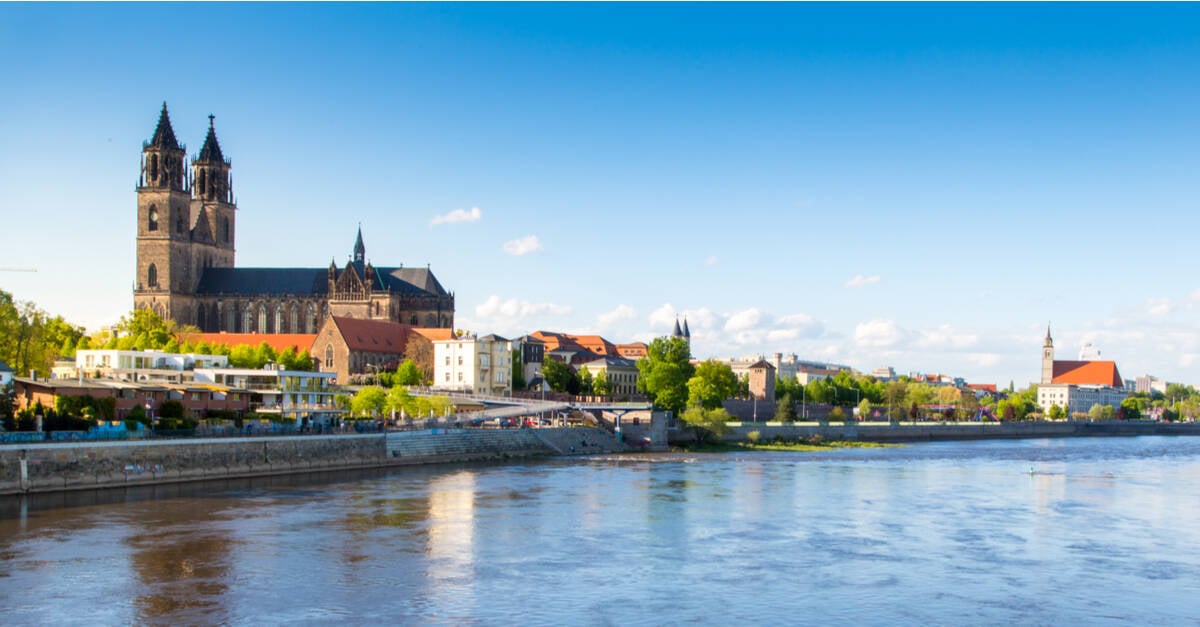
Intel is reportedly set to receive €6.8 billion ($7.3 billion) in subsidies for a massive chip manufacturing campus it's planning in Germany, and the x86 giant apparently won't have to worry about foundry rival TSMC setting up shop anywhere nearby for the time being.
The German subsidies for Intel's planned fab site in Magdeburg was disclosed last week by Martin Kröber, the city's representative in the Bundestag, according to local media. The federal government has already allocated €2.7 billion in its 2022 budget [PDF] for the project, according to Kröber.
Germany's Deutsche Presse-Agentur said the government is discussing the possibility of subsidies for other projects in the microelectronics industry.
The news is likely to be of some relief to Intel CEO Pat Gelsinger, who has been begging the US Congress to pass chip subsidies in America for its planned fabs in Ohio and Arizona. The House of Representatives and Senate have been working out their differences in the $52 billion CHIPS for America Act since mid-May.
Germany's subsidies will cover nearly 40 percent of the initial €17 billion ($19 billion) that Intel plans to spend on the Magdeburg mega-site. Announced in March, the project is part of a larger €33 billion ($36 billion) investment in Europe planned by the American chipmaker that will include an R&D and design hub in France as well as manufacturing, foundry and chip packaging service operations in Italy, Poland and Spain.
In the first phase of the project, Intel's massive site in Magdeburg will consist of two neighboring fabs that will occupy the space of two World Cup-class football fields. The chipmaker is projecting that the campus will create 3,000 permanent high-tech jobs for the company as well as tens of thousands of additional jobs at suppliers and partners in the area.
Construction of the new fabs in Magdeburg are set to begin in the first half of 2023, and the plants are expected to begin manufacturing chips using an advanced node in 2027.
TSMC says no to fabs in Europe — for now
While Intel has been gung ho about building fabs in Europe, the same can't be said for Taiwan's TSMC, the world's largest contract chip manufacturer that makes silicon for companies like Apple, AMD and Nvidia.
According to Reuters, TSMC Chairman Mark Liu said on Wednesday that the foundry giant has no "concrete plans" for fabs in the continent as it has "relatively fewer customers" there.
- India: It would be fab if Intel and TSMC built plants here
- Intel boss presses Congress for manufacturing subsidies
- European nations battle to bag some of Intel's billions
- TSMC's post-pandemic future in a world short of chips? New factories, more revenue
A year ago, TSMC reportedly said it was in the early stages of considering an expansion into Germany, but Liu's statement shows that the chipmaker apparently hasn't made much progress with such plans.
The statement is likely to disappoint European Union officials who have been working with Taiwan's government in a bid to lure the island nation's chipmakers to set up shop in Europe.
The effort is part of the EU's proposed European Chips Act, which was revealed in February to boost the bloc's competitiveness and resilience in semiconductors while also supporting digital transformation and environmental sustainability goals.
Just last week, Taiwan's Ministry of Economic Affairs announced a "major breakthrough" in talks with the EU about cooperation in the semiconductor industry, which could pave the way for Taiwanese chipmakers to build new fabs in the continent.
But for now, it seems that the EU shouldn't count on TSMC and should instead look at Taiwan's other foundries such as UMC and PSMC, which have less advanced manufacturing nodes. ®
From Chip War To Cloud War: The Next Frontier In Global Tech Competition
The global chip war, characterized by intense competition among nations and corporations for supremacy in semiconductor ... Read more
The High Stakes Of Tech Regulation: Security Risks And Market Dynamics
The influence of tech giants in the global economy continues to grow, raising crucial questions about how to balance sec... Read more
The Tyranny Of Instagram Interiors: Why It's Time To Break Free From Algorithm-Driven Aesthetics
Instagram has become a dominant force in shaping interior design trends, offering a seemingly endless stream of inspirat... Read more
The Data Crunch In AI: Strategies For Sustainability
Exploring solutions to the imminent exhaustion of internet data for AI training.As the artificial intelligence (AI) indu... Read more
Google Abandons Four-Year Effort To Remove Cookies From Chrome Browser
After four years of dedicated effort, Google has decided to abandon its plan to remove third-party cookies from its Chro... Read more
LinkedIn Embraces AI And Gamification To Drive User Engagement And Revenue
In an effort to tackle slowing revenue growth and enhance user engagement, LinkedIn is turning to artificial intelligenc... Read more