

Intel's Leaders Have Stopped Pretending – And It's About Time
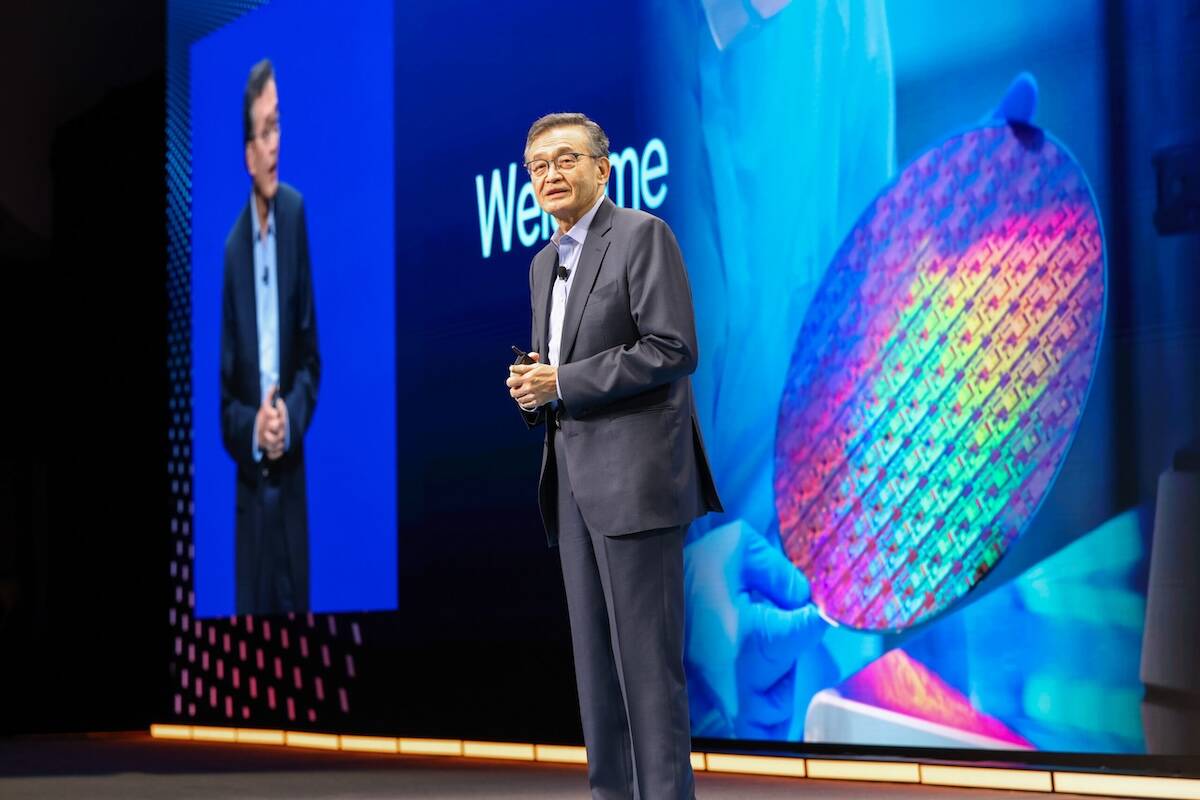
Comment Pat Gelsinger's tenure as Intel's chief executive was epitomized by his unwavering optimism and ambitious plan to return the ailing chipmaker to its former glory. His successor has no such delusions of grandeur.
For Lip-Bu Tan, Intel may as well be a gut job, and he's setting expectations accordingly.
In a leaked recording reported by the Oregonian, Tan offered something of a reality check to employees during a Q&A that coincided with yet another round of layoffs. The message was simple: while Intel once reigned supreme over the semiconductor industry, those days are long past.
"Twenty, 30 years ago, we are really the leader," he's reported as saying. "The world has changed. We are not in the top 10 semiconductor companies."
El Reg reached out to Intel for comment; we'll let you know if we hear anything back.
His comments reflect the company's dwindling market cap, which has more than halved over the past 18 months from $211 billion at the end of 2023 to just over $100 billion today. This rapid decline comes in stark contrast to rivals AMD and Nvidia, which have seen their valuations explode as they've ridden a wave of demand for AI infrastructure. Just this week, Nvidia became the first company to surpass a market valuation of $4 trillion.
Despite repeated attempts, Intel has largely failed to find a foothold in the AI accelerator arena. In the datacenter, Intel's third-gen Gaudi accelerators launched around the same time as Nvidia's much more powerful Blackwell GPUs. Then, in February, Intel canned Gaudi3's successor, codenamed Falcon Shores, to focus on a rack-scale machine known internally as Jaguar Shores.
As we said at the time, Intel missed the AI boat, at least in the datacenter, and it seems that Tan would agree. "On training, I think it's too late for us," he's quoted as saying, characterizing Nvidia's grip on the market as simply "too strong."
However, Tan isn't quite ready to give up on the AI market, and instead plans to capitalize on the emerging AI PC arena, where Intel's chips are far more competitive. Tan is apparently jazzed about the prospect of AI agents that can automate entire tasks traditionally performed by people.
As things stand, Intel is unlikely to have a competitive GPU or AI accelerator for at least a year, and that's assuming that Intel's GPU team survives the next wave of layoffs.
Since taking over as CEO in March, Tan has put Chipzilla on a crash diet, shuttering business units, outsourcing marketing operations, and laying off tens of thousands of employees as he's looked to streamline operations and instill a startup mindset among those spared the ax.
- If it can't double our money, we're not building it, Intel Products chief says
- Chipmaker GlobalFoundries acquires chip designer MIPS
- Taiwan thumbs its nose at Beijing by blocking chip exports to SMIC and Huawei
- Intel reportedly chips away at fab workforce – but hey, maybe there's a tax break coming
At the end of 2024, Intel's headcount stood at 108,900 — more than three times that of either Nvidia or AMD. Tan, it is reported, believes a smaller Intel will be better prepared to compete.
At face value, this mindset makes a lot of sense, until you remember that those companies don't actually build their own chips and Intel does.
During Gelsinger's tenure, the company opened its doors to contract manufacturing with the ambition of becoming the second-largest foundry operator in the world after TSMC.
However, the extreme cost associated with executing on this plan has weighed heavily on the biz as the foundry has struggled to find external customers for its 2nm-class process tech called 18A. In 2024 alone, Intel's Foundry division racked up more than $13.4 billion in operating losses.
Despite mounting losses and rumors of a Foundry spin off, Tan has yet to pull the plug on the manufacturing unit and is pushing ahead with plans to manufacture its Panther Lake processors on 18A starting later this year.
According to Tan, Intel needs to prove the technology is good enough for its own products before it can expect to win over external customers - something we've been saying for years now. ®
From Chip War To Cloud War: The Next Frontier In Global Tech Competition
The global chip war, characterized by intense competition among nations and corporations for supremacy in semiconductor ... Read more
The High Stakes Of Tech Regulation: Security Risks And Market Dynamics
The influence of tech giants in the global economy continues to grow, raising crucial questions about how to balance sec... Read more
The Tyranny Of Instagram Interiors: Why It's Time To Break Free From Algorithm-Driven Aesthetics
Instagram has become a dominant force in shaping interior design trends, offering a seemingly endless stream of inspirat... Read more
The Data Crunch In AI: Strategies For Sustainability
Exploring solutions to the imminent exhaustion of internet data for AI training.As the artificial intelligence (AI) indu... Read more
Google Abandons Four-Year Effort To Remove Cookies From Chrome Browser
After four years of dedicated effort, Google has decided to abandon its plan to remove third-party cookies from its Chro... Read more
LinkedIn Embraces AI And Gamification To Drive User Engagement And Revenue
In an effort to tackle slowing revenue growth and enhance user engagement, LinkedIn is turning to artificial intelligenc... Read more