

Intel Promotes Graphics Chief Raja Koduri Weeks After Arc Discrete GPU Reveal
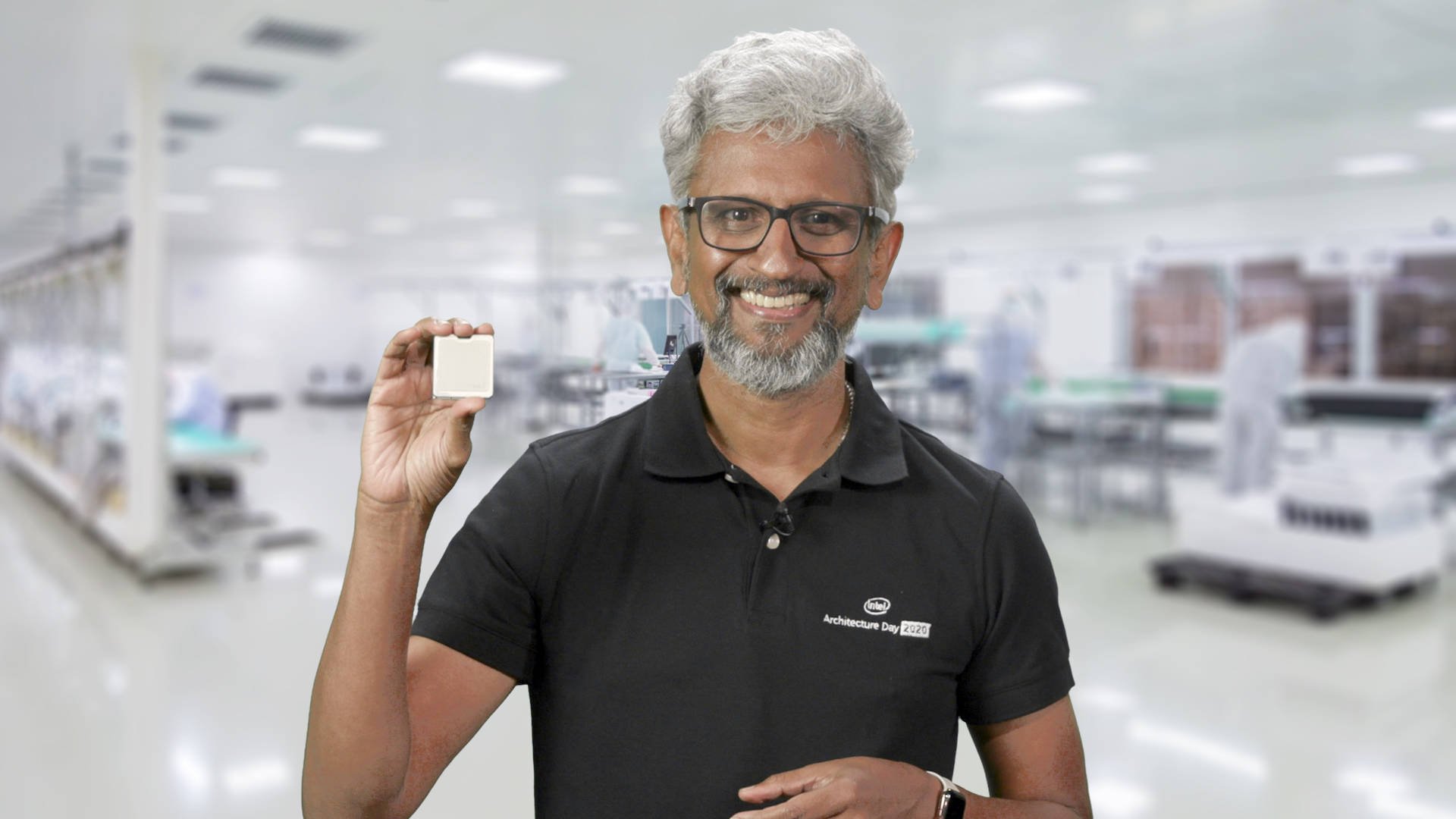
Exclusive Intel has promoted its top graphics executive, ex-AMD veteran Raja Koduri, signaling the chipmaker's satisfaction so far with its fledgling – yet strategically important – discrete GPU business.
Chief exec Pat Gelsinger bumped Koduri, head of Intel's Accelerated Computing Systems and Graphics organization, to executive vice president from his previous title of senior vice president. The move was announced on Tuesday in an internal memo seen by The Register.
In the missive, Gelsinger lauded Koduri, who was previously AMD's chief GPU architect, for his "many contributions to Intel over the past four years."
These contributions include leading the Accelerated Computing Systems and Graphics organization for the past several months after Gelsinger appointed Koduri to head the new group last summer, after successfully luring him away from AMD in 2017.
"It also underscores the criticality of the accelerated computing business for Intel – a key growth engine for our company," Gelsinger wrote.
The promotion comes less than three weeks after Intel launched its Intel Arc discrete GPUs for laptops, the chipmaker's biggest step yet in returning to that part of the market and creating a fresh challenge for rivals Nvidia and AMD.
While we say "launch," it's important to note that laptops with Intel Arc GPUs aren't widely available yet. Rather than stating this in its official announcement, Intel instead revealed in a Twitter reply that availability began in South Korea and other regions will soon follow.
Regardless, Gelsinger seems happy so far with Intel Arc, which will expand to higher-end laptops as well as desktop PCs later this year. Spokespeople for Intel were not available for immediate further comment.
- Card shark Intel bets with discrete graphics chips, shuffles AMD's GPU boss into the deck
- AMD to Intel: Take our GPU talent? Two can play that game
- Intel reveals GPU roadmap with hybrid integrated discrete graphics
- Intel data center boss Navin Shenoy exits as CEO takes sledgehammer to group
"While this is the first step in a much longer journey, we've put the world on notice that there is a third high-performance GPU player in the game," Gelsinger wrote.
This promotion stands in great contrast to when Gelsinger last summer let go Navin Shenoy, previously the company's top data center executive, only a few months after the company launched its long-delayed 10nm Xeon Scalable processors that went under the code name Ice Lake.
Just the beginning
Intel Arc only marks the beginning for the chipmaker's latest aspirations in graphics and accelerated computing, two areas in which Intel has struggled before, with canceled products like the Larrabee general-purpose GPU, the Xeon Phi accelerator family, and the Nervana AI chips.
At the center of Intel's new graphics efforts is the Xe architecture, which is used for Intel Arc GPUs and integrated CPU graphics and will also be used to power Ponte Vecchio, Intel's upcoming high-performance GPU that will power what will become one of the world's fastest supercomputers — if the big beast goes online as planned later this year.
"Under Raja's leadership, we continue to execute on a multi-generation roadmap of Xe architecture, which is essential technology to deliver on our aspirations to power the infrastructure for Metaverse and Zetta-scale computing," Gelsinger wrote.
If you're curious about how much money Intel's GPUs products are actually bringing in, we will get to find out next week. That's when the company is expected to disclose revenue for the Accelerated Computing Systems and Graphics for the first time in its earnings results. Intel previously said it expects graphics revenue to exceed $1 billion this year and reach $10 billion by 2026 if all goes to plan.
Gelsinger said Koduri's contributions go beyond the company's GPU efforts and extend to broader architecture, software, memory and interconnect technology initiatives.
"Raja also drove several key changes in software, firmware and hardware development methodologies across Intel as we rebuilt our execution engine," he wrote. ®
From Chip War To Cloud War: The Next Frontier In Global Tech Competition
The global chip war, characterized by intense competition among nations and corporations for supremacy in semiconductor ... Read more
The High Stakes Of Tech Regulation: Security Risks And Market Dynamics
The influence of tech giants in the global economy continues to grow, raising crucial questions about how to balance sec... Read more
The Tyranny Of Instagram Interiors: Why It's Time To Break Free From Algorithm-Driven Aesthetics
Instagram has become a dominant force in shaping interior design trends, offering a seemingly endless stream of inspirat... Read more
The Data Crunch In AI: Strategies For Sustainability
Exploring solutions to the imminent exhaustion of internet data for AI training.As the artificial intelligence (AI) indu... Read more
Google Abandons Four-Year Effort To Remove Cookies From Chrome Browser
After four years of dedicated effort, Google has decided to abandon its plan to remove third-party cookies from its Chro... Read more
LinkedIn Embraces AI And Gamification To Drive User Engagement And Revenue
In an effort to tackle slowing revenue growth and enhance user engagement, LinkedIn is turning to artificial intelligenc... Read more