

Intel Chief Lip-Bu Tan To Visit White House After Trump Calls For Him To Step Down
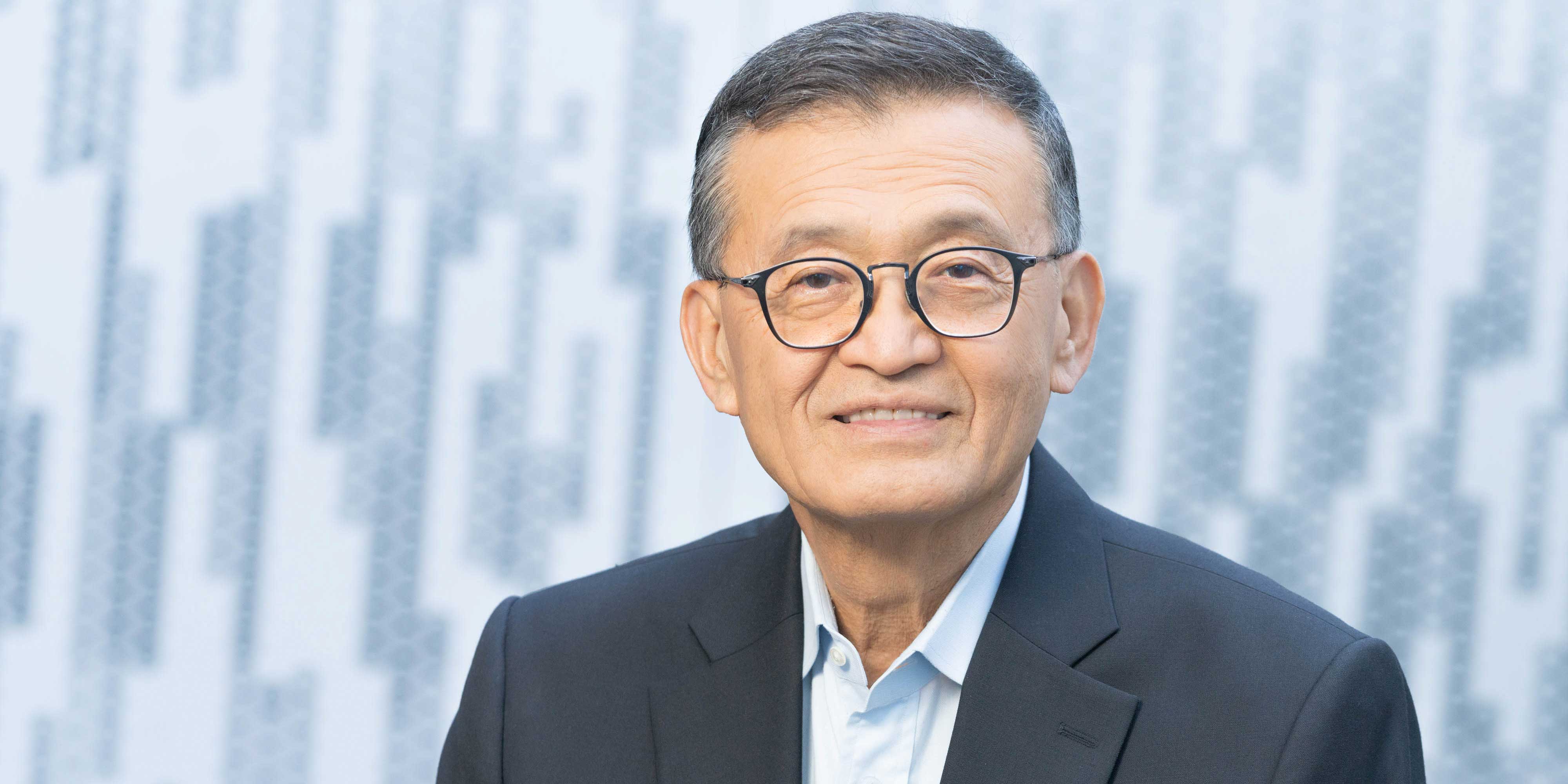
Intel boss Lip-Bu Tan reportedly has an appointment at the White House today, just days after President Donald Trump called for his resignation. The move comes as Intel's former CEO Craig Barrett weighs in on the troubled chipmaker's future.
Tan, who was appointed chief executive earlier this year, is expected to have an "extensive conversation" with the President regarding his personal and professional background, as well as discuss how Intel could help serve US government interests, according to the Wall Street Journal.
Intel declined to comment on the report.
Last week, Trump called for Tan's immediate resignation, following the publication of a letter from a Republican Senator raising concerns over the Intel chief's connections with Chinese semiconductor firms said to be linked with that country's government.
In response, Intel issued a statement saying company, its Board of Directors, and Lip-Bu Tan are "deeply committed to advancing US national and economic security interests" and claimed it is "making significant investments aligned with the President's America First agenda."
Tan also published a memo to Intel employees reassuring them of his dedication to the company and the country, calling out what he referred to as misinformation circulating about his past roles, such as serving as CEO of Cadence during the period it was unlawfully selling electronic design tools to Chinese organizations.
He also said he was engaging with the Trump administration "to address the matters that have been raised and ensure they have the facts," adding that he fully shared the president's commitment to advancing US national and economic security.
This latest controversy comes as Intel struggles to regain its technology leadership amid rising losses. Tan has abandoned some planned expansion projects, such as the manufacturing sites it wanted to establish in Germany and Poland, and appears on track to layoff a quarter of its workforce by the end of this year.
Perhaps more significantly, Tan warned last month that he might halt investment into Intel's leading-edge 14A semiconductor process node unless the company could secure customers in advance that would guarantee profits for it.
This has drawn the ire of former Intel CEO Craig Barrett, who told Fortune that comments about not investing in new technology until customers sign up is a joke.
"To win in this space you need to be the leader in technology, not the follower. It takes multiple years to create one of these technologies and no customer wants to sign up for something that is second best," he is reported as saying.
Barrett points out that the US needs Intel, as it is the country's only global contender at the cutting edge of semiconductor manufacturing, and suggests a way to save the company and ensure American tech firms have a local supplier they can turn to.
This would involve customers such as Nvidia, Apple, and Google all chipping in with a few billion of investment to ensure Intel has the cash needed to get 14A fully developed and into production as soon as possible, in combination with tariffs on imported semiconductors to encourage those customers to buy from Intel.
- Taxman picks up $140M tab after Cadence fined for China export violations
- Intel abandons chip plants in Germany and Poland, confirms more layoffs
- Clear Linux OS terminated as Intel trims the fat
- Intel swings the axe again as it looks to lose 5,000 staff
Trump hinted last week that he was preparing tariffs that could be as high as 100 percent on imported chips and semiconductors, possibly to be announced as soon as this week.
But there are always exceptions to the rules for those prepared to play the administration's games. According to reports, chipmakers Nvidia and AMD will be allowed to resume selling their wares in China if they stump up a license fee to the US government amounting to 15 percent of those sales.
If Intel's Lip-Bu Tan wants to soften President Trump's demands that he step down as CEO, he could perhaps take note of the strategy adopted by Nvidia CEO Jensen Huang. He managed to reverse a US government ban on sales of its H20 GPUs to Chinese customers after intense lobbying, going as far as attending a million-bucks-a-plate meal at Trump's Mar-a-Lago residence. ®
From Chip War To Cloud War: The Next Frontier In Global Tech Competition
The global chip war, characterized by intense competition among nations and corporations for supremacy in semiconductor ... Read more
The High Stakes Of Tech Regulation: Security Risks And Market Dynamics
The influence of tech giants in the global economy continues to grow, raising crucial questions about how to balance sec... Read more
The Tyranny Of Instagram Interiors: Why It's Time To Break Free From Algorithm-Driven Aesthetics
Instagram has become a dominant force in shaping interior design trends, offering a seemingly endless stream of inspirat... Read more
The Data Crunch In AI: Strategies For Sustainability
Exploring solutions to the imminent exhaustion of internet data for AI training.As the artificial intelligence (AI) indu... Read more
Google Abandons Four-Year Effort To Remove Cookies From Chrome Browser
After four years of dedicated effort, Google has decided to abandon its plan to remove third-party cookies from its Chro... Read more
LinkedIn Embraces AI And Gamification To Drive User Engagement And Revenue
In an effort to tackle slowing revenue growth and enhance user engagement, LinkedIn is turning to artificial intelligenc... Read more