

Indian Mega-carrier Jio To Build Pair Of 200-terabit Submarine Cables
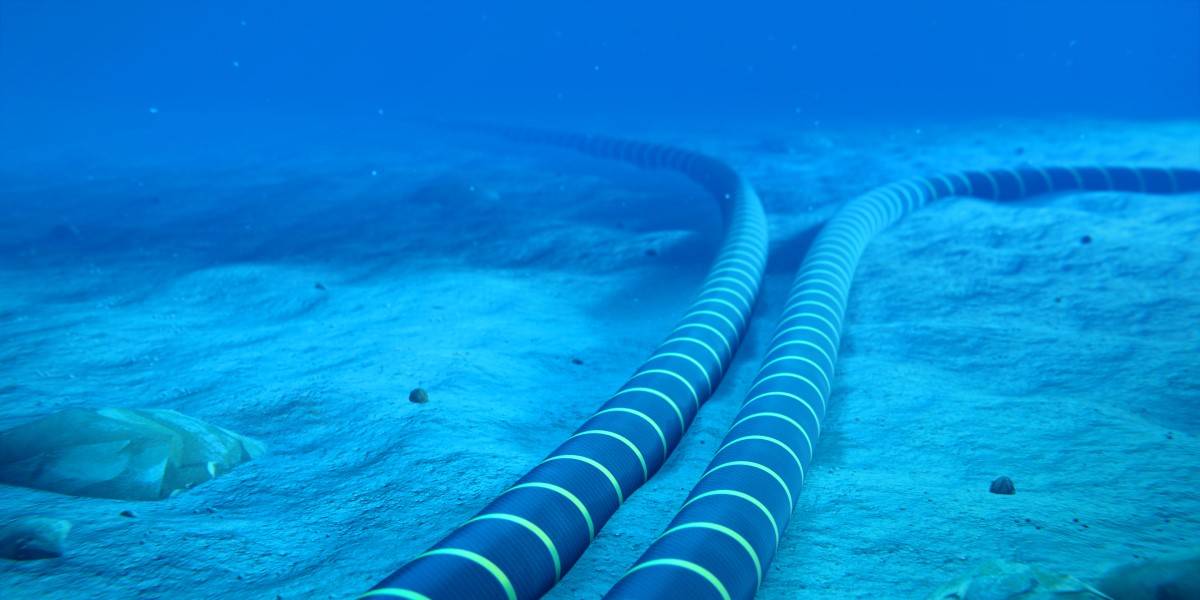
Indian telecoms conglomerate Reliance Jio has announced it will build two submarine cables to help it satisfy India’s appetite for data.
One of the cables is called IEX, short for India-Europe-Express, and will head west from Mumbai and connect to the Middle East and North Africa before ending in Italy. Connecting points include Salalah (Oman), Djibouti, Jeddah (Saudi Arabia), Yanbu (Saudi Arabia), Duba (Saudi Arabia), Zafarana (Egypt), Sidi Karir (Egypt) Timpaki (Greece), and Savona (Italy).
Jio has left open the possibility for connections to Karachi (Pakistan), Muscat (Oman), Fujairah (UAE), Amara (Eritrea), Paphos (Cyprus), Milan (Italy), and Marseille (France).
The other cable, IAX, short for “India Asia Express” will head east from Mumbai to Asia Pacific, landing on the way at Matara (Sri Lanka), Chennai (India), Satun (Thailand), Morib (Malaysia) and ending in Singapore.
Optional stops for IAX include the Indian city of Vizag, a location that submarinecablemap.com says is not currently served by any other cables. Other optional stops are Male (Maldives), Kolkata (India), Kuakata (Bangladesh), Ngwesaung (Myanmar), and Port Blair (Andaman and Nicobar Islands).
- Facebook's new hookup: A pair of submarine cables to link North America, Indonesia, Singapore
- In the old days, coups started by seizing TV and radio stations. Now they crimp the internet at 3am
- India connects submarine cable to islands where some still live in the stone age
- US comms watchdog calls for more scrutiny of submarine cables that land in 'adversary countries'
The cable will offer 200 Tbps over its 16,000 km length. IAX should be ready for service in mid 2023, IEX sometime in 2024.
Reliance Jio president Mathew Oommen said the company was “taking a leadership role in the construction of the first of its kind, India-centric IAX and IEX subsea systems” to “meet the demands of streaming video, remote workforce, 5G, IoT and beyond.”
India currently does not have 5G, although it has approved trials of the technology. However, the demand for data use in India will likely stay high, at least in the near future, as work-from-home and learn-from-home measures continue in a country intensely battling COVID. ®
From Chip War To Cloud War: The Next Frontier In Global Tech Competition
The global chip war, characterized by intense competition among nations and corporations for supremacy in semiconductor ... Read more
The High Stakes Of Tech Regulation: Security Risks And Market Dynamics
The influence of tech giants in the global economy continues to grow, raising crucial questions about how to balance sec... Read more
The Tyranny Of Instagram Interiors: Why It's Time To Break Free From Algorithm-Driven Aesthetics
Instagram has become a dominant force in shaping interior design trends, offering a seemingly endless stream of inspirat... Read more
The Data Crunch In AI: Strategies For Sustainability
Exploring solutions to the imminent exhaustion of internet data for AI training.As the artificial intelligence (AI) indu... Read more
Google Abandons Four-Year Effort To Remove Cookies From Chrome Browser
After four years of dedicated effort, Google has decided to abandon its plan to remove third-party cookies from its Chro... Read more
LinkedIn Embraces AI And Gamification To Drive User Engagement And Revenue
In an effort to tackle slowing revenue growth and enhance user engagement, LinkedIn is turning to artificial intelligenc... Read more