

India Says: Xiaomi The $88m In Missing Import Taxes, Please
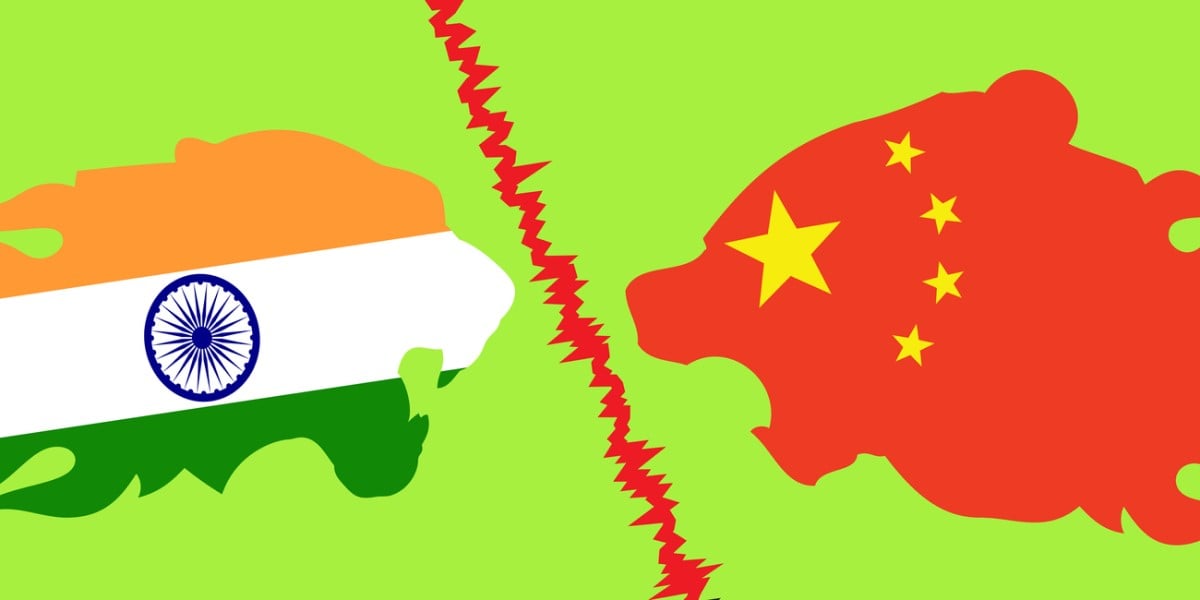
India's Ministry of Finance has ordered Xiaomi to pay ₹6.53bn ($88m) in import taxes after discovering the local arm of the Chinese electronics company was undervaluing its transactions.
The finding was the result of an investigation carried out by India's Directorate of Revenue Intelligence. The investigators said they'd found documents indicating Xiaomi India was remitting royalty and licensing fees to Qualcomm and Beijing Xiaomi Mobile Software, but not including them in the transaction value of the imported goods.
"By not adding 'royalty and licence fee' into the transaction value, Xiaomi India was evading Customs duty being the beneficial owner of such imported mobile phones, the parts and components thereof," said the Ministry of Finance in a canned statement.
- Indian government tells Starlink to refund pre-orders placed before licences approved
- India's competition regulator launches probes into Apple over App Store fees and access
- Think small, score big: India details subsidies for chipmakers
- India takes Amazon's biggest local e-tail alliance out of its shopping cart
Xiaomi had a great 2021 in India, growing 84 per cent year-on-year to take the largest smartphone market share on the subcontinent at the end of Q2, according to IDC. The boon was not a fluke as Xiaomi was responsible for about a quarter of the 150 million-plus smartphones shipped to India in 2020.
Many governments have sought to crack down on Chinese technology, including the US, which keeps an ever-evolving blacklist of companies. In March, Xiaomi received a preliminary injunction from a Trump-era blacklist that banned it from listing on US stock exchanges.
In September, Lithuania told its citizens to trash any Xiaomi-made mobile devices after it found the company could remotely enable censorship tools.
Further back to 2020, India banned 118 Chinese apps, claiming they were being used against India's national interests as border disputes flared and geopolitical tensions rose. By January last year, the ban on 59 of those apps was made permanent. ®
From Chip War To Cloud War: The Next Frontier In Global Tech Competition
The global chip war, characterized by intense competition among nations and corporations for supremacy in semiconductor ... Read more
The High Stakes Of Tech Regulation: Security Risks And Market Dynamics
The influence of tech giants in the global economy continues to grow, raising crucial questions about how to balance sec... Read more
The Tyranny Of Instagram Interiors: Why It's Time To Break Free From Algorithm-Driven Aesthetics
Instagram has become a dominant force in shaping interior design trends, offering a seemingly endless stream of inspirat... Read more
The Data Crunch In AI: Strategies For Sustainability
Exploring solutions to the imminent exhaustion of internet data for AI training.As the artificial intelligence (AI) indu... Read more
Google Abandons Four-Year Effort To Remove Cookies From Chrome Browser
After four years of dedicated effort, Google has decided to abandon its plan to remove third-party cookies from its Chro... Read more
LinkedIn Embraces AI And Gamification To Drive User Engagement And Revenue
In an effort to tackle slowing revenue growth and enhance user engagement, LinkedIn is turning to artificial intelligenc... Read more