

Indias Chipmaking Ambitions Hurt By Zohos No-go And Adani Unease
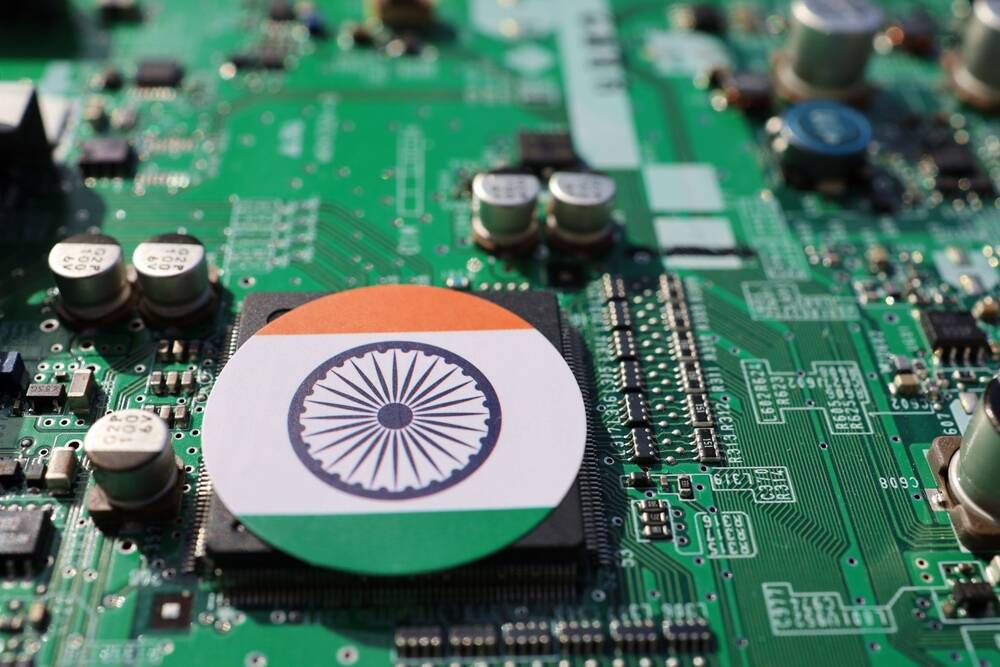
PLUS: China spring cleans its AIs; South Korea fines Meta, probes Broadcom; and more! India’s ambition to become a global semiconductor manufacturing player went backwards last week after two big players changed their plans.
One was enterprise software vendor Zoho, which abandoned a plan to become a semiconductor manufacturer.
Best known for its Zoho One suite that bundles SaaS-Y CRM, HR, marketing, finance, HR and e-commerce tools at remarkably modest prices, Zoho in May 2024 announced a plan to invest $700 million in a semiconductor fab.
Last week, that dream died. Former CEO and current Chief Scientist Sridar Vembu used his X account to lament the fact that he and the company’s board did not feel ready to become a chipmaker and decided to walk away.
“On our semiconductor fab investment plan, since this business is so capital intensive it requires government backing, we wanted to be absolutely sure of the technology path before we take taxpayer money,” he wrote. “We did not have that confidence in the tech so our board decided to shelve this idea for the time being, until we find a better tech approach.”
The other was giant industrial conglomerate Adani, which according to Reuters paused discussions with Israeli outfit Tower Semiconductor over a $10 billion fab plan. Adani reportedly decided the project didn’t make commercial sense and bailed out.
China spring cleans its AIs
China’s Cyberspace Administration last week ordered a three-month special campaign called "Clear and Bright: Rectification of Abuse of AI Technology."
The campaign will target unregistered AIs, and those who train models without having rights to the corpus used to feed the digital beast. Shoddy security will also be stamped out, as will AI-produced content that’s not watermarked and described in metadata as required under rules announced in March 2025.
Abuse of AI to create vulgar content, deepfakes that impersonate real people, or mountains of content just to create internet traffic will also be rooted out.
As is always the case when China announces such campaigns, the nation’s businesses and government agencies are urged to have a good, hard look at themselves before Beijing needs to get serious.
- Toyota picks Huawei’s Android-killer HarmonyOS for its Chinese electric sedan
- China reportedly admitted directing cyberattacks on US infrastructure
- Asian tech players react to US tariffs with delays, doubts, deal-making
- China cracks down on personal information collection. No, seriously
Indian Court OK with spyware under some circumstances
Two judges of India’s Supreme Court last week expressed a belief that use of spyware is justified if it protects national security.
The judges voiced that opinion during a hearing into whether India’s government used the notorious Pegasus spyware against political opponents and journalists.
“What is wrong if the country used that spyware for security reasons against anti-national elements?” asked Justice Surya Kant. “There is nothing wrong with having spyware. Against whom it is used, is the point.”
The case continues.
Korea levies trivial fine on Meta for consumer protection fails
South Korea’s competition regulator, the Fair Trade Commission, last week fined Meta for failing to provide adequate consumer protections.
The Commission announced a ₩6 million ($4,700) fine on Meta for failing to dispute resolution services for users who transacted with third party sellers on Instagram and Facebook marketplace, as required by local law. Meta also failed to list contact details for sellers.
The regulator also ordered Meta to start obeying the law within 180 days.
South Korea doesn’t always punish foreign tech companies with a feather. We’ve reported it fining Google $32 million and Broadcom $13.2 million.
While we’re on Broadcom, the Fair Trade Commission last year accused the company of requiring set-top box manufacturers to exclusively use its SoCs – an act that would breach local monopoly laws. The regulator has now proposed remedies and opened an industry consultation process to consider their effectiveness.
SK Telecom pauses new customer signups
Korean telco SK Telecom, which we covered last week after it offered free SIM replacements to its customers after a cyberattack, has now paused new customer signups while it sorts out the mess.
News of the suspension came in its daily update on the incident, which also reveals the carrier has provided identity protection services to 20 million customers, replaced a million SIMs, and is working to deliver new SIMs to a further 7.7 million customers. ®
From Chip War To Cloud War: The Next Frontier In Global Tech Competition
The global chip war, characterized by intense competition among nations and corporations for supremacy in semiconductor ... Read more
The High Stakes Of Tech Regulation: Security Risks And Market Dynamics
The influence of tech giants in the global economy continues to grow, raising crucial questions about how to balance sec... Read more
The Tyranny Of Instagram Interiors: Why It's Time To Break Free From Algorithm-Driven Aesthetics
Instagram has become a dominant force in shaping interior design trends, offering a seemingly endless stream of inspirat... Read more
The Data Crunch In AI: Strategies For Sustainability
Exploring solutions to the imminent exhaustion of internet data for AI training.As the artificial intelligence (AI) indu... Read more
Google Abandons Four-Year Effort To Remove Cookies From Chrome Browser
After four years of dedicated effort, Google has decided to abandon its plan to remove third-party cookies from its Chro... Read more
LinkedIn Embraces AI And Gamification To Drive User Engagement And Revenue
In an effort to tackle slowing revenue growth and enhance user engagement, LinkedIn is turning to artificial intelligenc... Read more