

India Reveals Plan To Become Major RISC-V Design And Production Player By 2023
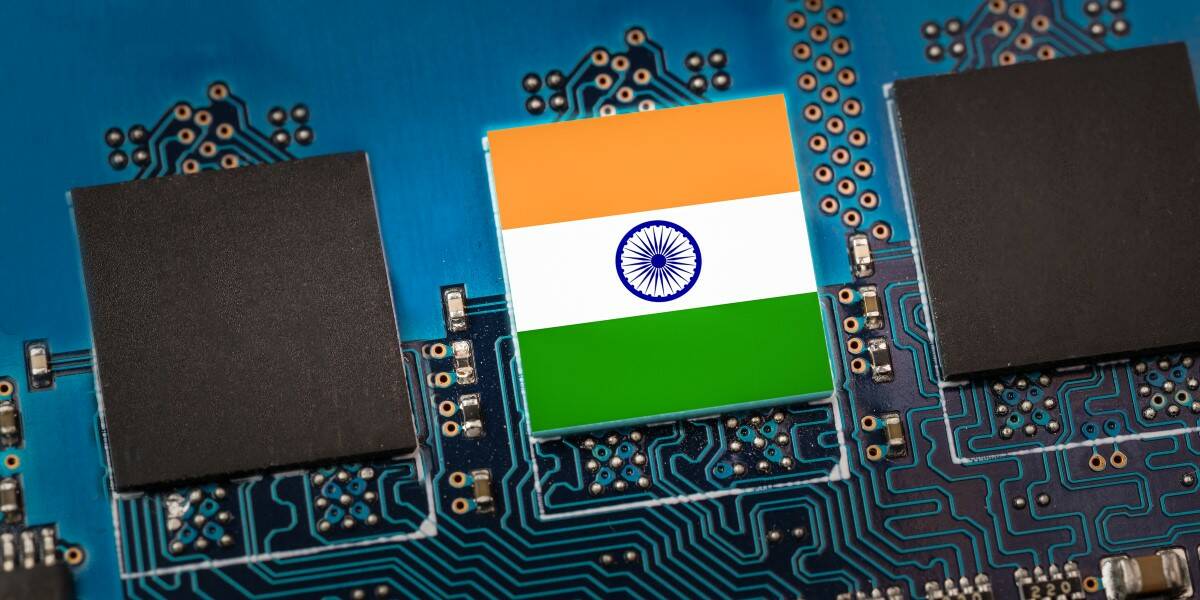
India's government has announced a plan and roadmap for local semiconductor design and production, based on the open source RISC-V architecture, and set a goal of delivering world-class silicon by the end of next year.
The Digital India RISC-V Microprocessor Program (DIR-V) will see Indian industry and academia team to develop Systems on Chips (SoC) for servers, mobile devices, automotive applications, IoT devices, and microcontrollers.
Rajeev Chandrasekhar, a former Intel chip designer who now serves as India’s minister of state for entrepreneurship, skill development, electronics & technology, said DIR-V aims to "achieve industry-grade silicon and design wins by December 2023."
Chandrasekhar said the program will draw on expertise expressed in India's current home-grown RISC-V processor designs: Shakti and Vega. But those processors are far from the leading edge – a recent Shakti release was built on a 180nm, uses 32-bit cores and runs at between 75Mhz and 100MHz. That's a spec that would not have scared Intel when it launched the Pentium – 29 years ago. Another Shakti design was made on a 22nm process (by Intel), but that model debuted in 2018. Shakti designs for servers and HPC applications are on the drawing board. The Vega design looks a little more advanced, and its makers claim it's already employed in several SoC designs.
- Alibaba Cloud gets more of Android working on RISC-V silicon
- RISC-V takes steps to minimize fragmentation
- Nvidia CEO: We're open to Intel making our chips
India’s government has styled those efforts as "early steps in processor design". It's a fair assessment, given neither appears imminently ready for production, or sufficiently mature to deliver usable products of the quality Chandrasekar expects in the time allowed.
But Indian services companies are already major players in semiconductor design – yet another field in which the world has turned to the nation's modestly waged professionals for help.
India's been keen on RISC-V since at least 2020, when it ran a design competition to promote local work on the platform (but also revealed a home-grown server design that assumes the presence of 2019-era Intel Xeon processors).
What's different this time? The government announcement that India has joined RISC-V International – the non-profit that oversees RISC-V – as a Premiere Board Member, as a sign of its commitment to the ecosystem.
The nation is also staging a three-day semiconductor gabfest, starting today, to foster its silicon ecosystem. The likes of Intel, TSMC, Qualcomm, and Micron will present at the event, the agenda for which suggests generic boosterism rather than specific commitments.
India could use the latter, as its plan to lure semiconductor manufacturers to its shores with subsidies saw Foxconn and some smaller outfits put out their hands. That leaves the country still reportedly working behind the scenes to lure the likes of Intel and TSMC. ®
From Chip War To Cloud War: The Next Frontier In Global Tech Competition
The global chip war, characterized by intense competition among nations and corporations for supremacy in semiconductor ... Read more
The High Stakes Of Tech Regulation: Security Risks And Market Dynamics
The influence of tech giants in the global economy continues to grow, raising crucial questions about how to balance sec... Read more
The Tyranny Of Instagram Interiors: Why It's Time To Break Free From Algorithm-Driven Aesthetics
Instagram has become a dominant force in shaping interior design trends, offering a seemingly endless stream of inspirat... Read more
The Data Crunch In AI: Strategies For Sustainability
Exploring solutions to the imminent exhaustion of internet data for AI training.As the artificial intelligence (AI) indu... Read more
Google Abandons Four-Year Effort To Remove Cookies From Chrome Browser
After four years of dedicated effort, Google has decided to abandon its plan to remove third-party cookies from its Chro... Read more
LinkedIn Embraces AI And Gamification To Drive User Engagement And Revenue
In an effort to tackle slowing revenue growth and enhance user engagement, LinkedIn is turning to artificial intelligenc... Read more