

Imagination Technologies Sued Over £27m Russian SoC Contract Invoice Brouhaha
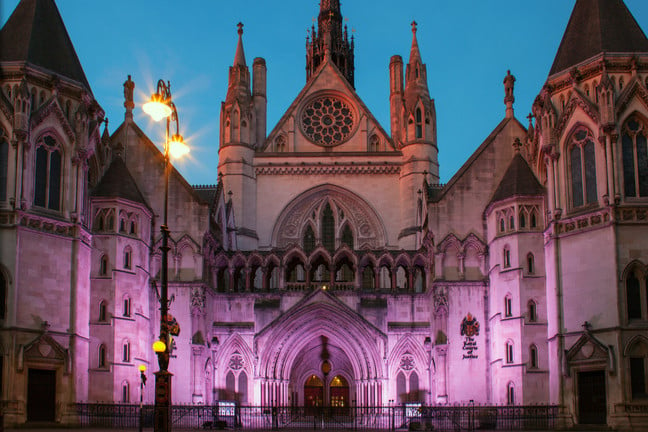
Imagination Technologies is being sued by the buyer of its IMGworks division after allegedly failing to pay an invoice in a £27m contract for Russian customer Elvees RnD Center.
The High Court lawsuit was brought by British chip firm Sondrel, which in 2017 bought Imagination's SoC design unit.
Sondrel said in court filings from 28 May seen by The Register that as part of the IMGworks sale, Imagination agreed to finish a Solaris chip project for Elvees which was part-way through at the time of the sale. Imagination would act, said Sondrel, as its subcontractor on the project.
All went smoothly until COVID-19 struck, when Sondrel alleged that Imagination failed to pay a £78,000 invoice due in April this year.
Imagination's chief product officer, Steve Evans, is alleged to have emailed Sondrel in May saying: "We are currently in a tough situation on this project as we have not seen payments from Elvees for some time now and we are not getting any feedback from them about their plans for payment… This may be due to the Covid-19 situation in Russia, but we are also hearing about management changes at Elvees so at best we are unclear about Elvees' position on tape out and payment generally."
Sondrel said its contract with Imagination states that as chips are signed off by Elvees, Imagination must pay Sondrel "an amount equal to five percent (5%) of the Gross Service Charge for each Customer Project", referred to in court papers as a holdback payment. This sum came to £1,348,442.54, it is said.
Crucially, if Imagination failed to raise a dispute about chip signoff within a certain time limit, the holdback payment falls due regardless. Sondrel alleges Imagination did not formally raise a dispute until outside that time limit. It therefore claims payment of the £77,921.56 invoice from April as well as the £1.4m holdback payment.
Imagination has yet to file its formal response to the lawsuit. A company spokesman declined to comment on the active legal proceedings.
In April this year a former chief exec of Imagination revealed how a private equity firm with links to China's Communist Party had gained control of the chip designer, triggering a British government investigation on national security grounds.
Sir Hossein Yassaie then told Parliament how Canyon Bridge Capital Partners had tried to execute a boardroom coup to give its Chinese masters total control over the firm.
Imagination's last public accounts filing at Companies House, for the year ended 31 December 2018, disclosed a net post-tax loss of £1.2m on revenues of £86.4m. The firm used to supply GPU designs to Apple until Cupertino declared, shortly before Imagination's 2017 sale to the Chinese, that it would stop using the firm's PowerVR GPU IP. ®
From Chip War To Cloud War: The Next Frontier In Global Tech Competition
The global chip war, characterized by intense competition among nations and corporations for supremacy in semiconductor ... Read more
The High Stakes Of Tech Regulation: Security Risks And Market Dynamics
The influence of tech giants in the global economy continues to grow, raising crucial questions about how to balance sec... Read more
The Tyranny Of Instagram Interiors: Why It's Time To Break Free From Algorithm-Driven Aesthetics
Instagram has become a dominant force in shaping interior design trends, offering a seemingly endless stream of inspirat... Read more
The Data Crunch In AI: Strategies For Sustainability
Exploring solutions to the imminent exhaustion of internet data for AI training.As the artificial intelligence (AI) indu... Read more
Google Abandons Four-Year Effort To Remove Cookies From Chrome Browser
After four years of dedicated effort, Google has decided to abandon its plan to remove third-party cookies from its Chro... Read more
LinkedIn Embraces AI And Gamification To Drive User Engagement And Revenue
In an effort to tackle slowing revenue growth and enhance user engagement, LinkedIn is turning to artificial intelligenc... Read more